
Your home’s roof is one of its most important systems. It protects the structure from rain, wind, sunlight, and Florida’s demanding weather conditions while helping keep the interior of the home dry and protected.
For home buyers, the condition and remaining service life of a roof can also have significant financial and insurance implications. A roof that appears functional today may still be approaching the end of its expected service life or have conditions that warrant repair, further evaluation, or ongoing maintenance.
Understanding the basics of your roof system can help you recognize potential problems, better understand your home inspection report, and make more informed decisions about maintenance and repairs.
What Is a Roof System?
A roof is more than the visible shingles, tiles, or metal panels seen from the exterior.
A residential roof system typically includes several components working together to protect the home from weather and manage water.
These may include:
- Roof coverings such as asphalt shingles, tile, metal, or other materials
- Roof decking or sheathing
- Underlayment
-
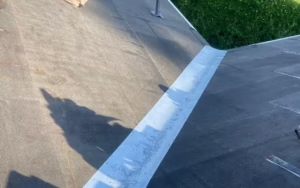
Peel’n Stick Underlayment - Flashing
- Roof penetrations and their seals
- Valleys
- Drip edges
- Gutters and drainage components
- Roof-to-wall connections
- Attic ventilation
- Structural framing supporting the roof
Problems with any one of these components can potentially affect the performance of the overall roof system.
What Types of Roofs Are Common in Florida Homes?
Florida homes use several different roofing materials, each with its own characteristics, maintenance considerations, and expected service life.
Asphalt Shingle Roofs
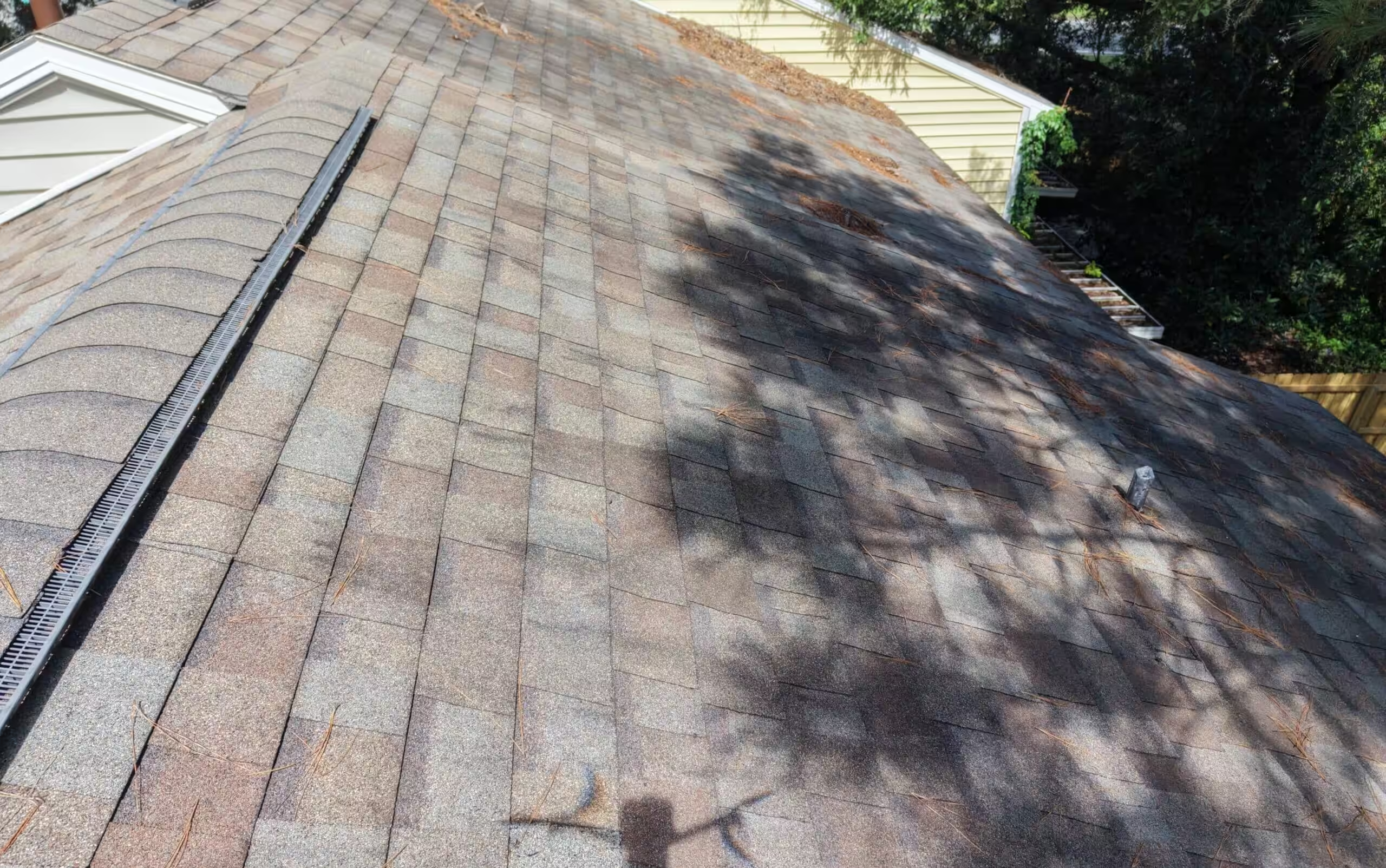
Asphalt composition shingles are one of the most common residential roofing materials.
They are relatively economical and straightforward to replace, but Florida’s heat, ultraviolet exposure, wind, and severe weather can accelerate deterioration.
As shingles age, inspectors may observe conditions such as granule loss, cracking, curling, lifted shingles, exposed fasteners, or previous repairs.
Tile Roofs
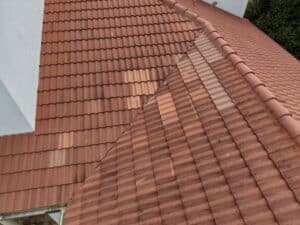
Concrete and clay tile roofs are also common throughout Central Florida.
The tiles themselves can be durable, but the performance of the roof depends on more than the visible tile. The underlying waterproofing components are critical because individual tiles can crack, become displaced, or allow water beneath the outer roof covering.
Walking on tile roofs can also cause damage, which is one reason inspection methods may vary depending on roof conditions and accessibility.
Metal Roofs
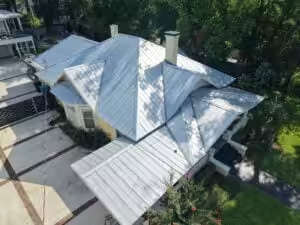
Metal roofing has become increasingly common in Florida because of its durability and resistance to many weather-related conditions.
However, metal roofs still require proper installation and maintenance. Fasteners, seams, flashing, penetrations, corrosion, and installation details can all affect performance.
No roofing material is maintenance-free.
Modified Bitumen Roofing
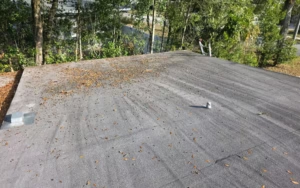
Modified bitumen roofing is commonly found on low-slope and flat roof sections throughout Central Florida, including additions, porches, patios, garages, and other areas where traditional shingles may not be appropriate.
These asphalt-based membrane systems are designed for low-slope applications, but proper installation and drainage are especially important. Ponding water, deteriorated seams, cracking, blistering, flashing deficiencies, and improper repairs can all affect performance.
Like other roofing materials, the condition of the entire roof system matters more than the roofing material alone.
How Long Does a Roof Last?
There is no single answer to how long a roof will last.
Expected service life depends on the roofing material, installation quality, ventilation, maintenance history, environmental exposure, previous storm damage, and other factors.
Two roofs of the same material and age can be in significantly different condition.
This is why roof age should be considered alongside the roof’s actual observed condition rather than being used as the only measure of performance.
In Florida, roof age can also become important when obtaining or renewing homeowners insurance.
What Does a Home Inspector Look for on a Roof?
During a home inspection, the roof system is evaluated for visible conditions that may affect its performance or indicate the need for repair or further evaluation.
Depending on accessibility and conditions at the property, inspectors may evaluate:
- General condition of the roof covering
- Damaged, missing, lifted, or deteriorated materials
- Signs of previous repairs
- Flashing installation and condition
- Roof penetrations
- Valleys and drainage areas
- Exposed or improperly installed fasteners
- Roof-to-wall intersections
- Gutters and drainage
- Visible roof structure where accessible
- Attic areas for evidence of moisture intrusion
- Conditions that may affect the roof’s remaining serviceability
A home inspection is a visual evaluation of readily accessible components. It is not a roofing certification, warranty, destructive evaluation, or prediction of exactly how long a roof will remain serviceable.
What Are Common Roof Problems Found During Home Inspections?
Some roof deficiencies are obvious, while others are relatively small conditions that can become more significant if left unaddressed.
Common findings may include:
- Damaged or missing roof coverings
- Cracked or broken roof tiles
- Deteriorated shingles
- Exposed fasteners
- Improper or deteriorated flashing
- Sealant deterioration
- Debris accumulation
- Poor drainage
- Previous repairs
- Damaged roof penetrations
- Improper installation details
- Evidence of moisture intrusion
- Deteriorated or damaged roof decking
The significance of a roof condition depends on its location, extent, cause, and potential effect on the home.
Does an Older Roof Automatically Need Replacement?
Not necessarily.
Age is an important consideration, but it does not automatically determine whether a roof is functional.
An older roof may still be performing adequately, while a newer roof can have installation defects, storm damage, or other problems that require attention.
For buyers, however, roof age should be considered as part of the overall financial picture. Even when replacement is not immediately necessary, an aging roof may represent a significant future expense.
Insurance requirements can also affect the practical serviceability of an older roof in Florida.
What Are Signs That a Roof May Be Leaking?
Roof leaks are not always obvious.
Some leaks produce visible ceiling stains or active dripping, while others may initially affect concealed areas of the roof or attic.
Potential warning signs include:
- Ceiling or wall staining
- Moisture-damaged drywall
- Deteriorated roof decking
- Staining within the attic
- Damaged insulation
- Musty odors
- Visible deterioration around roof penetrations
- Previous patching or repairs
The absence of visible moisture at the time of an inspection does not guarantee that a roof has never leaked or will not leak in the future.
Water intrusion can be intermittent and may depend on wind direction, rainfall intensity, and other weather conditions.
Why Are Flashing and Roof Penetrations Important?
Many roof leaks occur at transitions and penetrations rather than through the middle of the roof covering.
Plumbing vents, exhaust vents, chimneys, skylights, walls, valleys, and other penetrations create areas where water must be carefully redirected.
Flashing helps prevent water from entering these vulnerable locations.
Improperly installed, damaged, or deteriorated flashing can allow moisture to reach the roof decking and interior components even when the surrounding roofing material appears to be in good condition.
What Role Does the Attic Play in the Roof System?
The attic provides an important view of the underside of the roof system.
When accessible, an attic inspection may reveal conditions that are difficult or impossible to identify from the exterior alone.
Inspectors may observe roof framing, decking, ventilation, insulation, and evidence of past or present moisture intrusion.
Attic ventilation is also important. Poor ventilation can contribute to excessive heat and moisture accumulation, potentially affecting roofing materials and other building components.
The roof covering and attic should therefore be thought of as interconnected parts of the same overall system.
Why Does Roof Condition Matter for Florida Homeowners Insurance?
Florida homeowners frequently encounter insurance requirements related to roof age and condition.
An insurer may request documentation about the roofing material, approximate age, remaining useful life, visible condition, or other characteristics of the roof.
Roof information is also an important component of a Four Point Inspection, which evaluates the roof along with the home’s electrical, plumbing, and HVAC systems for insurance purposes.
Insurance requirements vary by carrier and can change over time, so an inspection should not be interpreted as a guarantee that a particular insurance company will accept a roof.
A Wind Mitigation Inspection also can help qualify you for discounts, depending on several characteristics of your roof system.
Can a Home Inspection Determine the Exact Remaining Life of a Roof?
No inspection can reliably predict the exact date a roof will fail or require replacement.
Inspectors evaluate the visible condition of the roof at the time of the inspection and identify conditions that may affect its performance.
Weather exposure, storms, installation quality, maintenance, material defects, and future conditions can all affect how long a roof ultimately lasts.
When significant deterioration or questionable conditions are present, further evaluation by a qualified roofing professional may be recommended.
How Can Homeowners Help Maintain Their Roof?
Routine observation and maintenance can help identify smaller problems before they develop into more expensive repairs.
Homeowners should periodically look for visible changes to the roof and surrounding areas, particularly following significant storms.
Maintenance may include:
- Keeping gutters and drainage areas clear
- Removing accumulated debris when safe to do so
- Monitoring roof penetrations and flashing
- Addressing damaged roofing materials
- Trimming vegetation away from the roof
- Watching ceilings and attic areas for signs of moisture
- Having questionable conditions evaluated before they worsen
Homeowners should avoid walking on roofing materials unless they can do so safely and without damaging the roof. Some roof coverings, particularly tile, can be damaged by foot traffic.
Understanding Your Roof as a Complete System
A roof should not be evaluated based solely on its age or the appearance of its outer covering.
Roofing materials, flashing, penetrations, drainage, decking, attic conditions, ventilation, installation quality, and maintenance all contribute to how effectively the roof protects the home.
For buyers, understanding these components can provide valuable context when reviewing a home inspection and planning for future ownership costs.
For homeowners, recognizing warning signs and addressing maintenance issues early can help protect both the roof and the building components beneath it.
The Tier-1 Pro Inspections Roof Knowledge Center provides additional resources covering common roofing materials, defects, inspection findings, maintenance concerns, insurance considerations, and other roofing questions we regularly encounter while inspecting Central Florida homes.