
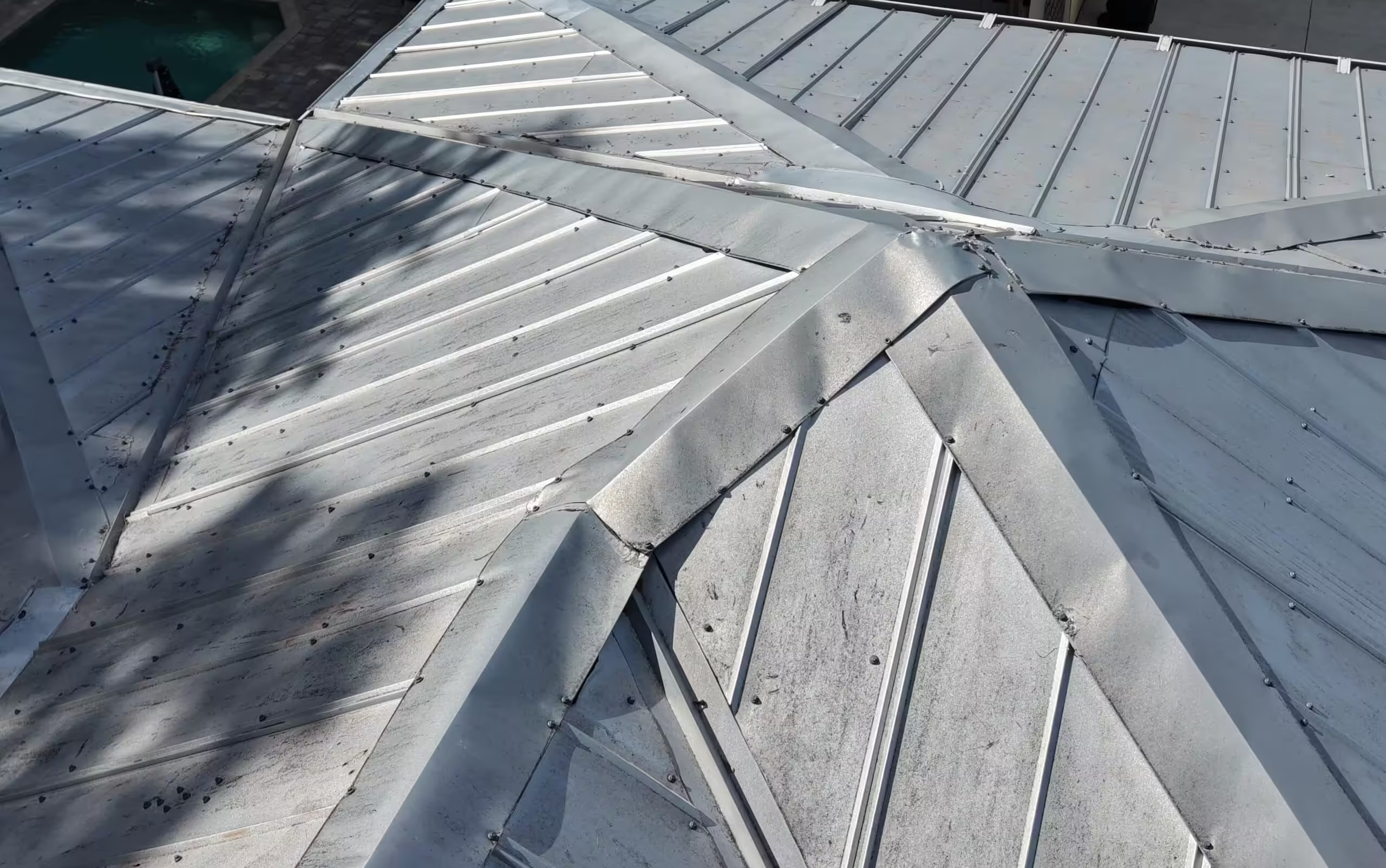
Metal roofing has become increasingly popular throughout Central Florida. Its durability, resistance to many weather-related conditions, and potential for a long service life make it an attractive option for homeowners.
However, a metal roof should not be considered maintenance-free or assumed to be problem-free simply because of the roofing material.
The performance of a metal roof depends heavily on the type of system, installation quality, flashing, fasteners, seams, penetrations, roof design, and ongoing maintenance.
For homeowners and buyers, understanding these components can help identify potential concerns and provide better context when evaluating the condition of a metal roof.
How Does a Metal Roof Work?
Metal roofing uses overlapping or mechanically connected metal panels to create a durable, water-shedding roof covering.
Depending on the system, panels may be secured using concealed clips or exposed fasteners. Seams between panels are designed to control water movement and prevent moisture from entering the roofing system.
Like other roofing materials, the visible metal panels are only one component of the complete roof.
Underlayment, flashing, roof decking, penetrations, fasteners, sealants, and drainage details all contribute to the roof’s performance.
For a broader explanation of how these components work together, see our guide to roof systems and what homeowners and buyers should know.
What Types of Metal Roofs Are Common in Florida?
Several types of metal roofing can be found on Central Florida homes, but homeowners are most likely to encounter standing seam and exposed-fastener systems.
Standing Seam Metal Roofs
Standing seam roofs use long metal panels connected by raised vertical seams.
The primary fasteners are typically concealed beneath the roofing panels or seams rather than exposed directly to the weather.
This design can reduce the number of exposed fastener penetrations through the roof covering and allows the metal panels to expand and contract as temperatures change.
Standing seam roofing is commonly associated with higher-end residential metal roof installations.
Exposed-Fastener Metal Roofs
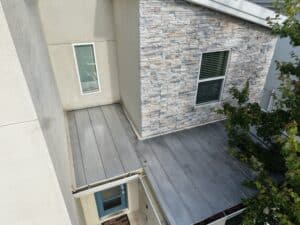
Exposed-fastener systems use screws or similar fasteners installed directly through the metal roofing panels.
The fasteners typically incorporate washers or gaskets intended to seal the penetration.
These systems can provide effective roof coverings, but the exposed fasteners become an important maintenance consideration.
Over time, fasteners and their sealing components may loosen, deteriorate, become displaced, or otherwise require attention.
How Long Do Metal Roofs Last in Florida?
Metal roofs are generally considered long-lasting roofing systems, but there is no single lifespan that applies to every installation.
Actual service life depends on factors such as:
- Type of metal roofing system
- Material and protective coating
- Installation quality
- Fastener type and condition
- Flashing installation
- Roof design
- Maintenance
- Exposure to moisture
- Environmental conditions
- Storm and wind exposure
Central Florida’s intense sunlight, heat, heavy rainfall, humidity, and severe weather can all affect roofing components over time.
A well-installed and properly maintained metal roof can potentially provide a long service life, but the material alone does not guarantee performance.
Why Is Installation Quality So Important With Metal Roofing?
Installation details are especially important with metal roofs.
Metal expands and contracts as temperatures change. A properly designed roofing system must accommodate this movement while maintaining secure connections and weather-resistant seams.
Improper installation can contribute to conditions such as:
- Loose panels
- Improper fastener placement
- Damaged seams
- Water intrusion
- Panel distortion
- Flashing deficiencies
- Improperly sealed penetrations
- Premature deterioration
A newer metal roof can still have significant deficiencies if it was not installed properly.
For this reason, roof age should always be considered together with the observed condition and installation details.
Why Are Fasteners Important on a Metal Roof?
Fasteners secure roofing panels and other components to the roof structure.
On exposed-fastener systems, the fasteners also create numerous penetrations through the roof covering.
These fasteners commonly use washers or gaskets to help create a weather-resistant seal.
Over time, inspectors may encounter:
- Loose fasteners
- Missing fasteners
- Backed-out fasteners
- Improperly driven fasteners
- Deteriorated washers
- Corroded fasteners
- Improper fastener placement
- Previous repairs or sealant applications
Even relatively small fastener deficiencies can become important because each penetration represents a potential pathway for moisture.
Why Do Metal Roof Fasteners Back Out?
Fasteners can become raised or loosened for several reasons.
Repeated thermal expansion and contraction of the metal panels can place stress on fasteners over time.
Other contributing factors can include improper installation, inadequate fastening, deterioration of sealing washers, movement of the roofing materials, or deterioration of the substrate beneath the panels.
Raised fasteners should not simply be ignored because the roof is metal.
They may require maintenance or further evaluation to maintain the weather resistance of the roofing system.
Can Metal Roofs Rust?
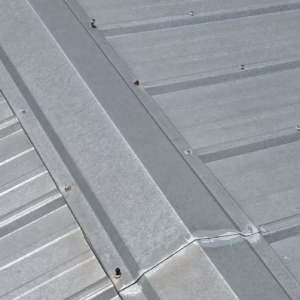
Yes, although susceptibility to corrosion depends heavily on the material and protective finish.
Modern metal roofing systems commonly incorporate coatings or finishes designed to protect the underlying metal.
Damage to these protective surfaces, prolonged moisture exposure, incompatible materials, environmental conditions, or age can contribute to corrosion.
Inspectors may observe corrosion around:
- Fasteners
- Panel edges
- Scratched or damaged surfaces
- Roof penetrations
- Flashing
- Areas where water or debris accumulates
- Previous repairs
Minor surface oxidation is different from advanced corrosion that affects the integrity of the roofing material.
The extent and location of corrosion are important when determining its significance.
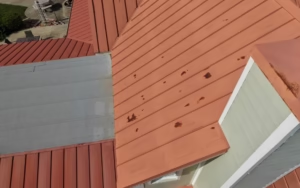
Can a Metal Roof Leak?
Yes.
Metal roofing is durable, but no roofing system is immune to leakage.
Water intrusion can occur around:
- Fasteners
- Seams
- Plumbing vents
- Exhaust penetrations
- Flashing
- Roof-to-wall intersections
- Valleys
- Chimneys
- Skylights
- Previous repairs
- Improperly sealed components
This is why inspecting a metal roof involves more than simply looking at the condition of the panels.
The connections and transitions between roofing components are often some of the most important areas to evaluate.
Why Are Seams Important on a Metal Roof?
Seams are the locations where individual roofing panels connect.
Depending on the roofing system, these connections may overlap, interlock, or mechanically lock together.
Properly installed seams help prevent wind-driven rain and normal roof drainage from entering beneath the panels.
Damaged, separated, improperly installed, or deteriorated seams can compromise the roof’s ability to shed water.
Inspectors may also look for evidence of previous sealant applications or repairs around seams, which can provide useful information about the roof’s maintenance history.
What Are Common Metal Roof Problems Found During Home Inspections?
During Central Florida home inspections, metal roofing deficiencies may involve the panels themselves or the components connecting and waterproofing the system.
Common findings can include:
- Loose or raised fasteners
- Missing fasteners
- Deteriorated fastener washers
- Improper fastener installation
- Corrosion
- Damaged or dented panels
- Loose roofing panels
- Improperly installed flashing
- Deficiencies around roof penetrations
- Deteriorated sealant
- Improper previous repairs
- Debris accumulation
- Damaged seams
- Exposed openings
- Evidence of previous moisture intrusion
- Deteriorated roof decking
Not every deficiency means the roof requires replacement.
Localized conditions can often be repaired or maintained. The extent of the condition, roof design, age, installation, and overall performance should all be considered.
Are Dents in a Metal Roof a Problem?
Metal roofing panels can become dented from hail, falling branches, foot traffic, or other impacts.
Not every dent affects the performance of the roof.
Some damage may primarily be cosmetic, while more significant impact damage can affect seams, protective coatings, panel connections, or other roofing components.
A visual home inspection may document visible damage, but determining whether damage is specifically storm-related or whether it qualifies for an insurance claim is outside the scope of a standard home inspection.
When significant damage is present, further evaluation by a qualified roofing professional may be appropriate.
Are Metal Roofs Good for Florida Hurricanes and High Winds?
Metal roofing can provide strong wind performance when the roofing system is properly designed and installed.
However, the fact that a roof is metal does not automatically mean it will perform well during a hurricane.
Wind resistance depends on the entire installation, including:
- Panel attachment
- Fastener spacing
- Clips or connectors
- Roof edges
- Flashing
- Roof geometry
- Installation methods
- Condition of the roofing components
- Underlying roof structure
Improper installation or deterioration can reduce the performance of an otherwise durable roofing material.
For Florida homeowners, the quality of the installation is just as important as the material itself.
Does a Metal Roof Need Maintenance?
Yes.
Although metal roofs generally require less routine maintenance than some roofing materials, they should still be periodically observed and maintained.
Depending on the system, maintenance may include:
- Monitoring exposed fasteners
- Checking sealants
- Addressing corrosion
- Removing accumulated debris
- Maintaining flashing
- Monitoring penetrations
- Addressing loose or damaged panels
- Keeping drainage areas clear
- Evaluating visible storm damage
Small deficiencies are often easier to address before they contribute to water intrusion or more extensive repairs.
Should You Walk on a Metal Roof?
Walking on a metal roof can be hazardous and may potentially damage the roofing material.
Metal roofing can become extremely slippery when wet and very hot in direct Florida sunlight.
Some panels can also be dented or damaged by improper foot placement.
For these reasons, inspectors do not necessarily walk every metal roof.
Depending on the roof’s slope, condition, accessibility, weather, and roofing system, inspection methods may include observation from the roof surface, roof edge, ladder, ground, windows, or other accessible vantage points.
Safety and the potential for property damage should always be considered when determining how a roof is inspected.
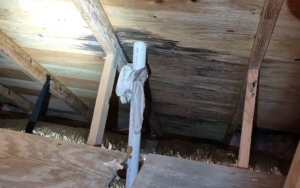
What Can the Attic Tell Us About a Metal Roof?
When accessible, the attic can provide valuable information about the roof system.
Inspectors may evaluate visible portions of the roof decking and structure for:
- Water staining
- Moisture-related deterioration
- Evidence of previous leakage
- Damaged decking
- Previous repairs
- Structural deficiencies
This can help provide additional context when exterior roofing conditions are questionable.
However, the absence of visible attic staining does not guarantee that the roof has never leaked or that concealed deficiencies are not present.
Why Does Metal Roof Age Matter When Buying a Florida Home?
Metal roofs can offer buyers the potential benefit of a longer-lasting roof covering, but buyers should not evaluate the roof based solely on material or age.
Important questions include:
- What type of metal roof is installed?
- Approximately how old is it?
- Is it a standing seam or exposed-fastener system?
- What is the condition of the fasteners?
- Are the seams and flashing properly installed?
- Is corrosion present?
- Are there signs of previous repairs?
- Is there evidence of moisture intrusion?
- Does the installation appear serviceable?
- Could the roof affect homeowners insurance?
A relatively old metal roof may still be performing well, while a much newer roof can have installation or maintenance deficiencies.
How Do Metal Roofs Affect Four Point Inspections?
The roof is one of the four major systems documented during a Four Point Inspection, along with the electrical, plumbing, and HVAC systems.
The inspection may document the roof covering, approximate age, visible condition, and evidence of leakage or other concerns.
Metal roofing is generally considered a durable roofing material, but insurance carriers can still have specific underwriting requirements regarding roof age, condition, installation, and remaining useful life.
A Four Point Inspection documents observed information for insurance purposes. It does not guarantee that a particular insurance carrier will accept the roof.
What Should Buyers Consider When Evaluating a Metal Roof?
When purchasing a Central Florida home with a metal roof, consider the complete roofing system rather than assuming that “metal means good.”
Look at:
- Type of metal roofing system
- Approximate age
- Overall observed condition
- Fastener condition
- Panel and seam condition
- Flashing and penetrations
- Evidence of corrosion
- Previous repairs
- Evidence of moisture intrusion
- Potential maintenance needs
- Insurance considerations
Metal roofing can be an excellent feature of a Florida home, but its performance ultimately depends on the quality and condition of the entire installation.
Understanding Metal Roofs in Central Florida
Metal roofs can provide excellent durability and weather resistance, making them an increasingly popular choice throughout Central Florida.
Their potential longevity does not eliminate the need for proper installation, inspection, and maintenance.
Fasteners, seams, flashing, penetrations, corrosion, panel attachment, and the underlying roof components all contribute to the performance of the system.
For homeowners, periodic maintenance can help identify smaller deficiencies before they develop into larger problems.
For buyers, understanding the type of metal roofing system and its observed condition provides a much better picture than simply relying on the roof’s age or material.
A professional home inspection can help identify visible roofing deficiencies and provide additional context about the roof and the overall condition of the property.
For more information about roofing materials, common defects, maintenance concerns, and other conditions found during Central Florida home inspections, visit the Tier-1 Pro Inspections Roof Knowledge Center.