
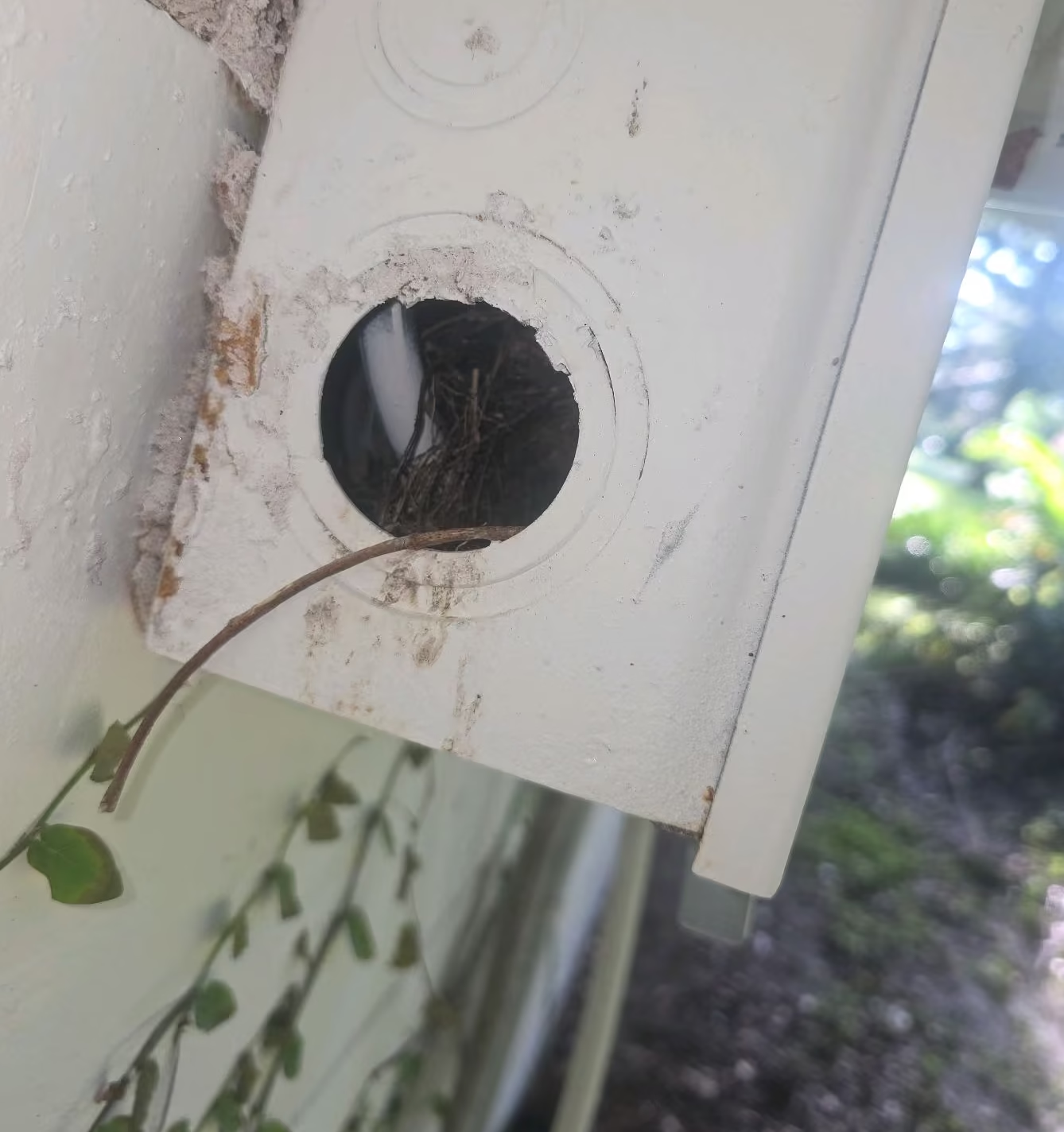
A small opening in an electrical panel enclosure might not attract much attention, but unused knockouts and missing cover filler plates can compromise the protection that the enclosure is designed to provide. Electrical cabinets and covers are intended to separate people and surrounding spaces from energized components. An unnecessary opening can weaken that barrier.
What is an electrical panel knockout?
An electrical panel enclosure has designated openings that may be used to bring properly installed wiring methods into the cabinet. Many are formed as removable metal sections, commonly called knockouts. When an opening is used, the appropriate connector or fitting should secure and protect the wiring. When it is unused, it should be closed with an appropriate cover or plug.
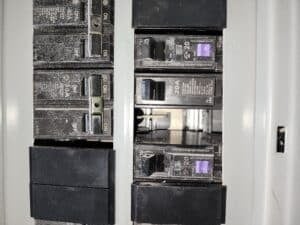
Another common issue involves missing breaker filler plates. The panel’s inner protective cover, often called the dead front, has spaces for installed circuit breakers. Unoccupied spaces are not meant to remain open where someone could potentially reach toward interior electrical components. Manufacturer-compatible fillers help maintain the intended barrier.
Why can an unused opening be a concern?
The potential consequences vary by the opening’s location, size, and what lies behind it. Concerns may include:
- Accidental contact. Open spaces may permit fingers or objects to reach areas that should remain guarded.
- Contaminants and pests. Unprotected openings may provide a pathway for dust, debris, insects, or small animals to enter an enclosure.
- Moisture exposure. An opening in an exterior or damp-location enclosure can compromise weather protection and contribute to corrosion or electrical deterioration.
- Incomplete or improvised repairs. Missing plugs, inappropriate tape, and makeshift covers may indicate that earlier electrical work was not properly finished.
An opening is not proof that a failure has already occurred. It is a visible condition that may warrant corrective work to restore the enclosure’s intended protection.
Knockout plugs and breaker filler plates are different
These terms describe different locations. A knockout plug closes an unused opening in the cabinet body where conduit or wiring could otherwise enter. A breaker filler plate closes an unused circuit-breaker opening in the panel’s dead-front cover. Both serve protective purposes, but they are not interchangeable. The correct component must suit the panel’s design and the manufacturer’s instructions.
Because electrical components may remain energized even when some breakers are switched off, homeowners should not remove the dead front or reach through openings to attempt a repair. A licensed electrician can verify the panel design, condition, and compatible closure method.
What does a home inspector check?
When accessible and within the agreed inspection scope, an inspector can look for open knockouts, missing filler plates, displaced covers, damaged housings, exposed conductors, evidence of moisture, and other visible conditions. The inspection may be limited by access, panel condition, equipment safety, or obstructions.
A visual inspection cannot establish the condition of every concealed connection or certify that every component meets all applicable electrical requirements. A qualified electrician should evaluate suspect equipment and perform corrections where appropriate. For more background, read our overview of residential electrical systems and our article on other common electrical panel findings.
Are open panel openings a code issue?
Electrical safety standards recognize the importance of closing unused openings in cabinets and enclosures. The exact requirement applicable to a particular installation depends on its use, equipment listing, and governing rules. For a residential inspection, the practical concern is whether an opening compromises the protective enclosure, not an automatic claim that a property is unsafe or uninsurable.
For context, OSHA workplace electrical safety rule 29 CFR 1910.305(b)(1)(ii), calls for unused openings in cabinets, boxes, and fittings to be effectively closed. That workplace rule is not itself a residential Florida code determination, but it illustrates the underlying protective principle.
Field Insight | Inspector Perspective
Open knockouts and missing filler plates are very common findings in Central Florida homes. Often, they’re the result of a homeowner or contractor removing a circuit breaker and simply not installing a filler plate to close the opening.
The concern is that these openings can create a significant electrical shock hazard, especially in homes with young children. No one should be able to accidentally or intentionally insert a finger or object into an electrical panel and come into contact with energized components.
The frustrating part is how simple the correction can be. Compatible snap-in filler plates often cost less than a dollar each, yet this inexpensive component serves an important safety purpose.
In our book, there’s no reason to leave these openings exposed. Properly installed filler plates help maintain the panel’s protective enclosure, address a potential insurance inspection concern, and, most importantly, help keep your family safe.
What should homeowners and buyers do?
Do not try to patch an opening with household tape, improvised sheet metal, or an unverified replacement part. Have a licensed electrician identify the correct plug or filler plate and assess whether any additional deficiencies are present. If moisture staining or corrosion is visible, the evaluation should also consider the source of that exposure.
A Central Florida home inspection can help identify visible electrical concerns before a purchase, while a licensed electrical contractor can complete the necessary evaluation and repairs.