
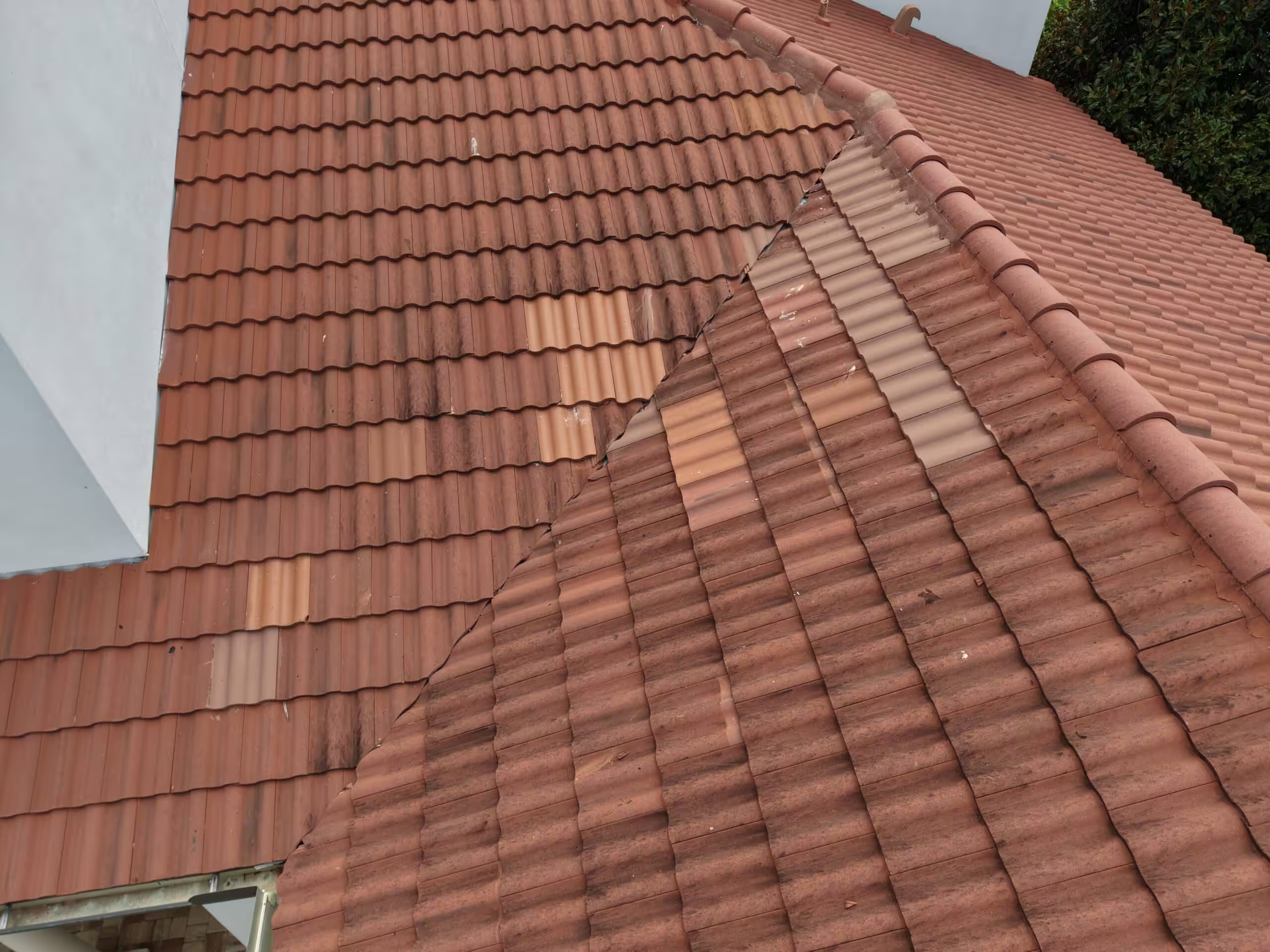
Tile roofs are common throughout Central Florida and are especially popular on Mediterranean, Spanish, and Florida-style homes. Concrete and clay tiles can provide an attractive and durable roof covering, but understanding how a tile roof actually works is important for homeowners and buyers.
One of the biggest misconceptions about tile roofing is that the visible tiles are the only component protecting the home from water.
In reality, a tile roof is a complete system. The tiles, underlayment, flashing, fasteners, roof decking, penetrations, drainage components, and installation details all work together to protect the structure.
Understanding those components can help homeowners recognize potential problems and help buyers better evaluate the condition and future costs associated with a tile roof.
How Does a Tile Roof Work?
Roof tiles are installed in overlapping courses that help shed rainwater down the roof surface.
However, some water can reach beneath the tiles during heavy rain or wind-driven weather. The roofing system is designed with this possibility in mind.
The underlayment beneath the tiles provides an important secondary layer of protection against moisture intrusion.
Other components, including flashing, valleys, penetrations, roof-to-wall connections, and drainage details, help direct water safely away from vulnerable areas.
For a broader explanation of how these components work together, see our guide to roof systems and what homeowners and buyers should know.
What Types of Tile Roofs Are Common in Florida?
The two primary types found on residential properties are concrete and clay tile.
Concrete Roof Tile
Concrete tile is widely used throughout Central Florida.
It is manufactured from a mixture of cement, sand, and water and is available in numerous profiles and finishes.
Concrete tiles are durable but can crack or break from impact, improper foot traffic, installation issues, weather exposure, or movement.
The surface appearance can also change substantially as the roof ages.
Clay Roof Tile
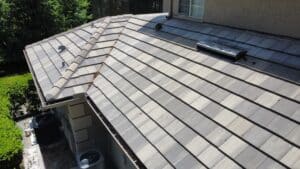
Clay tile is manufactured from natural clay that is formed and fired.
It is commonly associated with barrel-style and Mediterranean roofing systems and can provide a very long-lasting roof covering when properly installed and maintained.
Like concrete tile, however, clay tile can crack or become damaged.
Clay tiles can also be particularly vulnerable to damage from improper foot traffic.
How Long Does a Tile Roof Last in Florida?
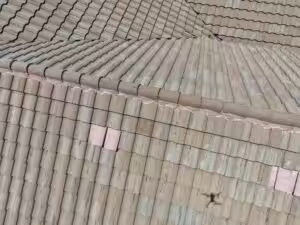
Tile roofing is often associated with a long service life, but there is an important distinction between the lifespan of the roof tile and the lifespan of the entire roofing system.
Individual concrete or clay tiles can potentially remain serviceable for many years.
That does not necessarily mean every component beneath those tiles will last equally long.
Underlayment, flashing, fasteners, sealants, penetrations, and other components can deteriorate before the tiles themselves reach the end of their useful life.
Florida’s intense sunlight, heat, humidity, heavy rainfall, tropical weather, and wind exposure can all influence how these materials age.
For that reason, stating that a tile roof “lasts 50 years” or another specific number can be misleading without considering the condition of the complete roof system.
Why Is Tile Roof Underlayment So Important?
The underlayment beneath a tile roof is one of its most important components.
Tiles primarily shed water, while the underlayment provides additional protection if moisture gets beneath the roof covering.
Because the underlayment is concealed by the tiles, its condition generally cannot be fully determined during a visual home inspection.
Inspectors may instead look for conditions that could indicate problems with the roofing system, including:
- Evidence of moisture intrusion
- Staining within the attic
- Deteriorated roof decking
- Previous repairs
- Damaged or displaced tiles
- Deficiencies at flashing or penetrations
A tile roof can therefore look relatively good from the exterior while concealed roofing components are significantly older.
This is particularly important when evaluating an older tile roof.
Are Cracked Roof Tiles a Problem?
Cracked and broken tiles are commonly encountered during Florida home inspections.
A damaged tile does not automatically mean the roof is actively leaking, as the underlayment below the tile is ultimately the water protective barrier.
However, cracked, broken, or missing tiles can expose underlying components to increased sunlight and weather and may reduce the roof covering’s ability to shed water as intended.
The significance depends on the location, number of damaged tiles, condition of the surrounding roof, and condition of the underlying roofing components.
Localized tile damage can often be repaired without replacing the entire roof.
Why Do Roof Tiles Become Cracked or Broken?
Tile damage can occur for several reasons, including:
- Foot traffic
- Falling branches or debris
- Storm-related impact
- Installation damage
- Improper fastening
- Movement
- Previous repairs
- Mechanical damage
- Age and weather exposure
Determining exactly when or why a tile became damaged is not always possible during a visual inspection.
The important consideration is the current condition and whether repair or further evaluation is warranted.
Can You Walk on a Tile Roof?
Walking on tile roofing can cause damage.
Concrete and clay tiles can crack under concentrated loads, particularly when they are older, already damaged, improperly supported, or walked on incorrectly.
There are also significant safety concerns associated with steep, wet, elevated, or otherwise hazardous roofs.
For these reasons, inspectors may not walk every tile roof and opt to use a camera pole or drone to inspect the roof.
Depending on conditions, a roof may be evaluated from the roof edge, ladder, ground, accessible windows, or other appropriate vantage points.
The inspection method should not create an unreasonable safety risk or cause damage to the roofing materials.
What Are Common Tile Roof Problems Found During Home Inspections?
During Central Florida home inspections, we regularly encounter conditions involving the tiles themselves as well as other components of the roofing system.
Common findings can include:
- Cracked or broken tiles
- Missing or displaced tiles
- Improper previous repairs
- Deteriorated sealant
- Exposed or improper fasteners
- Flashing deficiencies
- Damaged roof penetrations
- Debris accumulation
- Valley deficiencies
- Roof-to-wall flashing concerns
- Evidence of previous moisture intrusion
- Deteriorated roof decking
- Damaged mortar or other installation materials
- Organic growth or staining
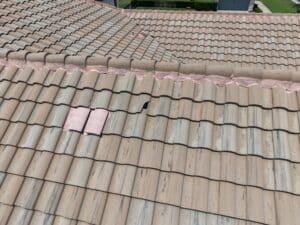
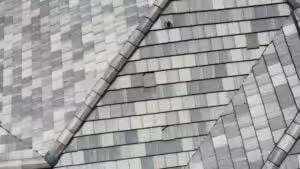
Not every deficiency requires roof replacement, but may require repair to bind a homeowner’s insurance policy.
The extent and significance of the conditions should be considered along with the roof’s age, installation, maintenance history, and overall observed condition.
Why Are Flashing and Penetrations Important on Tile Roofs?
Tile roofs contain many areas where proper flashing and waterproofing details are critical.
These can include:
- Plumbing vents
- Exhaust vents
- Valleys
- Skylights
- Chimneys
- Roof-to-wall intersections
- Changes in roof elevation
These areas interrupt the normal flow of water across the roof and require properly installed components to redirect water.
Problems at penetrations and transitions can allow moisture intrusion even when the surrounding tiles appear to be in good condition.
What Does the Attic Tell Us About a Tile Roof?
When accessible, the attic can provide valuable information about the performance of a tile roof.
Inspectors may observe the underside of the roof decking and look for conditions such as:
- Water staining
- Moisture-related deterioration
- Previous repairs
- Damaged decking
- Evidence of active or previous leakage
- Structural concerns
This can be especially useful because the underlayment is concealed beneath the roof tiles and generally cannot be directly evaluated during a visual inspection.
However, the absence of visible staining does not guarantee that a roof has never leaked or that concealed deficiencies do not exist.
Can a Tile Roof Be Repaired Without Replacing It?
In many cases, yes.
Individual cracked or damaged tiles can often be replaced, and localized flashing or penetration deficiencies may be repairable.
However, repairability depends on the overall condition of the roofing system.
Older tile roofs can present additional challenges. Replacement tiles may be difficult to match, existing tiles may become more fragile, and underlying components may be approaching the end of their useful service life.
In some situations, the tiles may still be in relatively good condition while the underlying roofing system requires more extensive work.
A qualified roofing contractor can help determine the appropriate repair or replacement strategy when significant concerns are identified.
What Is a Tile Roof Lift and Reset?
Homeowners sometimes assume that replacing a tile roof means all of the existing tiles must be discarded.
That isn’t always the case.
Depending on the type and condition of the tiles, a roofing contractor may be able to carefully remove and preserve reusable tiles, replace the underlying roofing components, and reinstall the tiles.
This is sometimes referred to as a tile lift and reset.
Whether this is practical depends on the roof, the condition and availability of the tiles, applicable requirements, and the roofing contractor’s evaluation.
Why Does Tile Roof Age Matter When Buying a Florida Home?
For buyers, the age of a tile roof deserves careful consideration even when the visible tiles appear to be in good condition.
The question isn’t simply:
How old are the tiles?
It is also:
How old is the roofing system beneath them?
Buyers should consider the age and observed condition of the roof, evidence of repairs or leakage, and the potential cost of future roofing work.
Roof age and condition can also affect homeowners insurance in Florida.
How Do Tile Roofs Affect Four Point Inspections?
The roof is one of the four major systems documented during a Four Point Inspection, along with the electrical, plumbing, and HVAC systems.
Information about the roof covering, approximate age, condition, and visible evidence of leakage may be important to an insurance carrier.
A tile roof should not automatically be assumed acceptable simply because tile is considered a long-lasting roofing material.
Insurance carriers establish their own underwriting requirements and may consider the age and condition of the overall roofing system.
A Four Point Inspection is also different from a comprehensive home inspection. Its primary purpose is to document specific information requested for insurance underwriting.
What Should Buyers Consider When Evaluating a Tile Roof?
When buying a Central Florida home with a tile roof, look beyond the appearance of the tiles.
Consider:
- Is the roof concrete or clay tile?
- Approximately how old is the roofing system?
- Has the roof been replaced or repaired previously?
- Are cracked, broken, or displaced tiles present?
- Is there evidence of previous leakage?
- Are flashing and penetrations visibly serviceable?
- Is there evidence of moisture intrusion within the attic?
- Are underlying roofing components significantly older than the visible tiles might suggest?
- Could the roof’s age or condition affect insurance?
- Should future roofing expenses be anticipated?
A tile roof can be a durable and attractive feature of a Florida home, but it should be evaluated as a complete roofing system rather than solely by the condition of the visible tiles.
Understanding Tile Roofs in Central Florida
Concrete and clay tile roofs are well suited to many Florida homes and can provide years of service when properly installed and maintained.
Their durability, however, can create a misconception that a tile roof does not require attention until the tiles themselves fail.
In reality, underlayment, flashing, penetrations, decking, installation details, and previous repairs can be just as important as the tiles.
For homeowners, addressing damaged tiles and other roofing deficiencies promptly can help protect the underlying system.
For buyers, understanding both the visible roof covering and the concealed components beneath it can provide a much clearer picture of potential maintenance and future ownership costs.
A professional home inspection can help identify visible roofing deficiencies and provide additional context about the overall condition of the property.
For additional information about roofing materials, common defects, maintenance concerns, and other conditions found during Central Florida home inspections, visit the Tier-1 Pro Inspections Roof Knowledge Center.