
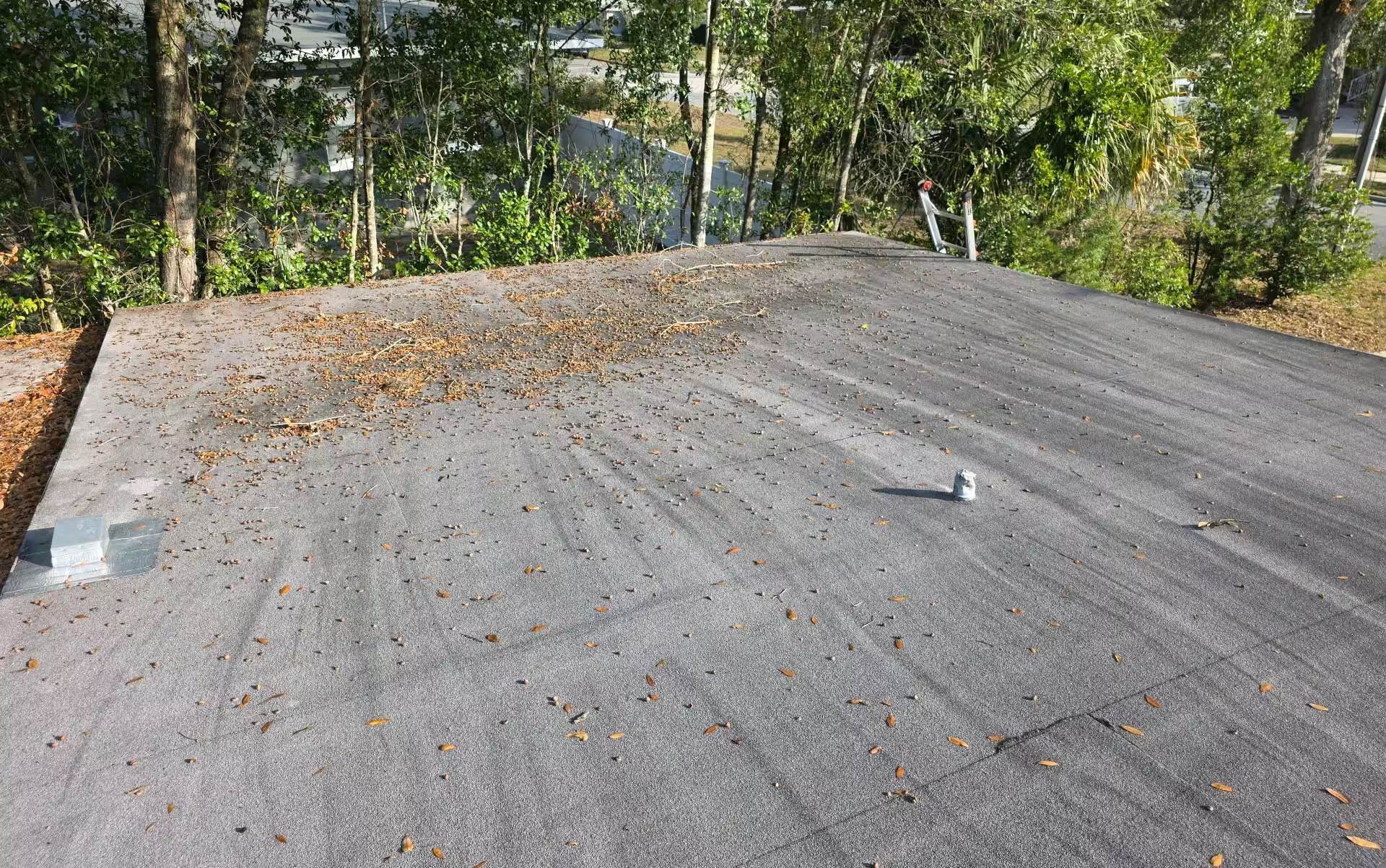
Modified bitumen roofing is commonly found on low-slope and flat roof areas throughout Central Florida. While it is frequently associated with commercial buildings, modified bitumen is also used on many residential properties, particularly on additions, porches, patios, garages, and homes with low-slope roof designs.
Unlike asphalt shingles, which are designed to shed water from steeper roof surfaces, modified bitumen creates a continuous roofing membrane designed specifically for low-slope applications.
For homeowners and buyers, understanding how these systems work is important because many of the conditions that affect a modified bitumen roof are different from those found on shingle, tile, or metal roofing.
What Is a Modified Bitumen Roof?
Modified bitumen is an asphalt-based roofing membrane designed primarily for low-slope roofing applications.
The material combines asphalt with modifiers that improve characteristics such as flexibility and durability. Reinforcing materials are also incorporated into the membrane to improve strength.
Modified bitumen roofing is typically installed in sheets or rolls that are joined together to create a continuous roof covering.
The complete roof system can include:
- Modified bitumen membrane
- Base sheets or additional membrane layers
- Underlying roof deck
- Flashing
- Seams
- Roof penetrations
- Edge details
- Drainage components
- Protective surfacing or coatings
As with other roofing materials, the visible membrane is only one part of the complete roof system.
Why Is Modified Bitumen Used on Low-Slope Roofs?
Roof slope plays an important role in determining which roofing materials are appropriate.
Steeper roofs allow gravity to move water quickly toward the roof edges. This makes overlapping materials such as asphalt shingles effective at shedding water.
Low-slope roofs drain more slowly.
Because water can remain on the roof longer, these areas generally require a roofing system designed to provide a more continuous weather-resistant surface.
Modified bitumen roofing is specifically designed for these applications.
This is why a Central Florida home may have asphalt shingles, tile, or metal on the primary roof while using modified bitumen over a low-slope addition, patio, porch, or other section of the property.
What Does a Modified Bitumen Roof Look Like?
Modified bitumen roofing typically appears as relatively flat sheets or rolls installed across the roof surface.
Depending on the product and installation, the surface may be smooth, coated, or covered with mineral granules.
Seams between individual sections of membrane may also be visible.
To someone unfamiliar with roofing systems, modified bitumen can sometimes resemble other rolled or membrane roofing materials. Identifying the roofing material and understanding how it was installed can provide important context when evaluating its condition.
How Is Modified Bitumen Roofing Installed?
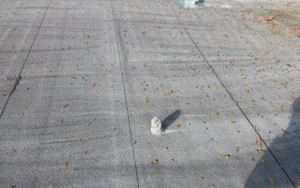
There are several methods used to install modified bitumen roofing.
Depending on the roofing product and application, systems may be:
- Torch-applied
- Cold-adhered
- Self-adhered
- Mechanically attached
- Installed as part of a multi-layer roofing assembly
The installation method affects how seams, flashing, edges, and other components are constructed.
Regardless of the installation method, workmanship is extremely important.
Poorly bonded seams, inadequate flashing, improper termination, or installation defects can create pathways for moisture intrusion even when the membrane itself is relatively new.
How Long Does a Modified Bitumen Roof Last in Florida?
There isn’t one lifespan that applies to every modified bitumen roof, but in Central Florida it typically lasts between 12-15 years.
Actual service life depends on factors including:
- Roofing product
- Number of membrane layers
- Installation quality
- Roof slope
- Drainage
- Sun exposure
- Maintenance
- Foot traffic
- Condition of seams and flashing
- Previous repairs
- Storm exposure
Central Florida’s climate can be particularly demanding on low-slope roofing due to the intense UV exposure, which effects the lifespan of the material.
Intense ultraviolet exposure, high roof-surface temperatures, heavy rainfall, humidity, tropical weather, and repeated thermal expansion and contraction can all contribute to aging.
The roof’s observed condition is therefore just as important as its age.
Why Is Drainage So Important on a Modified Bitumen Roof?
Drainage is one of the most important considerations with any low-slope roofing system.
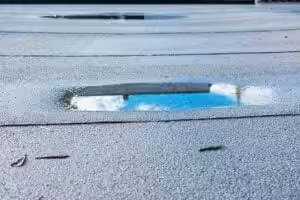
Water moves more slowly across a low-slope roof than it does across a steeply pitched roof. Depressions or improperly sloped areas can allow water to collect.
This condition is commonly referred to as ponding water.
Some temporary water accumulation following heavy rainfall may occur, but persistent ponding can increase stress on the roofing membrane and accelerate deterioration.
Standing water can also expose weaknesses in seams, flashing, repairs, and penetrations.
During an inspection, evidence of poor drainage may include:
- Visible standing water
- Water staining
- Dirt or debris patterns
- Organic growth
- Depressions in the roof surface
- Deteriorated membrane in low areas
Drainage problems should be considered along with the overall condition and design of the roof.
What Is Ponding Water?
Ponding occurs when water remains on a roof rather than draining away as intended.
On a low-slope roof, this can result from inadequate slope, settlement, structural movement, clogged drainage components, or depressions within the roof surface.
Ponding does not automatically mean the roof is leaking.
However, repeated or prolonged standing water can contribute to premature deterioration and may increase the likelihood of moisture intrusion as the roofing system ages.
In Central Florida, where heavy afternoon thunderstorms can produce substantial rainfall in a short period, proper roof drainage is particularly important.
Why Are Seams Important on Modified Bitumen Roofs?
Modified bitumen roofing is installed in individual sheets or rolls, which means seams are created where sections of roofing material meet.
These seams must remain properly bonded and weather-resistant.
Over time, inspectors may observe conditions such as:
- Open seams
- Loose seams
- Deteriorated seams
- Previous seam repairs
- Cracking
- Separation
- Improperly bonded membrane
A relatively small opening at a seam can potentially provide a pathway for water beneath the roofing membrane.
For that reason, seams are an important part of evaluating a modified bitumen roof.
What Causes Blisters or Bubbles in Modified Bitumen Roofing?
Raised areas, bubbles, or blisters can sometimes develop within a modified bitumen roof.
These conditions may result from trapped air or moisture between roofing layers, adhesion problems, or other installation and aging conditions.
Not every small irregularity means the roof has failed.
However, larger or widespread blistering can place stress on the membrane and may eventually contribute to cracking or other deterioration.
Blisters should generally not be punctured or opened by a homeowner because doing so can damage the roofing membrane and create a direct pathway for moisture.
What Causes Cracking in Modified Bitumen Roofing?
Modified bitumen roofing is designed to remain flexible, but the material can deteriorate as it ages.
Long-term exposure to sunlight and heat can contribute to the loss of flexibility.
Cracking may also develop around:
- Seams
- Flashing
- Roof penetrations
- Previous repairs
- Areas subject to movement
- Locations experiencing repeated ponding
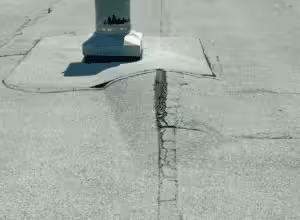
The significance of cracking depends on its extent, location, and whether the weather-resistant integrity of the membrane has been compromised. An example of advanced deterioration that has led to craze cracking is pictured below:

Why Are Roof Penetrations Important?
Penetrations interrupt the continuous roofing membrane and therefore require careful flashing and sealing.
Common penetrations may include:
- Plumbing vents
- Exhaust vents
- HVAC components
- Electrical components
- Structural supports
- Drainage components
Improper or deteriorated flashing around these areas can allow moisture beneath the roofing system.
During an inspection, penetrations and transitions are often some of the most important areas to evaluate.
What Are Common Modified Bitumen Problems Found During Home Inspections?
During Central Florida home inspections, common modified bitumen roofing conditions can include:
- Open or deteriorated seams
- Ponding water
- Blistering
- Cracking
- Surface deterioration
- Loose membrane
- Damaged flashing
- Improperly sealed penetrations
- Deteriorated sealants
- Previous repairs
- Debris accumulation
- Organic growth
- Damaged roof edges
- Improper drainage
- Evidence of moisture intrusion
- Deteriorated roof decking
Not every deficiency means the roof requires replacement.
Localized deficiencies may be repairable depending on the age and overall condition of the roofing system.
When deterioration is widespread or the membrane has reached an advanced stage of aging, more extensive repairs or replacement may be appropriate.
Can a Modified Bitumen Roof Be Repaired?
Yes.
One advantage of many modified bitumen systems is that localized deficiencies can often be repaired.
A roofing professional may be able to address damaged membrane, open seams, flashing deficiencies, or isolated penetrations without replacing the entire roof.
However, the practicality of repair depends on the roof’s overall condition.
Repeated patches throughout an older roof may indicate that the roofing system is approaching a point where continued localized repairs are becoming less practical.
Homeowners should also be cautious about applying generic roof coatings or elastomeric sealants without first determining the cause of a problem and also confirming if this will affect the insurability of the roof.
Covering a deficiency does not necessarily correct the underlying condition.
Can You Walk on a Modified Bitumen Roof?
Some modified bitumen roofs can tolerate limited foot traffic, but that does not mean every low-slope roof is safe to walk.
Roof surfaces can become extremely hot in Central Florida sunlight and may be slippery when wet.
Older or deteriorated membranes may also be more susceptible to damage.
Structural conditions, roof access, surface condition, weather, and the presence of ponding water can all affect whether walking the roof is appropriate.
Inspectors determine the inspection method based on conditions at the property and should not access a roof when doing so creates an unreasonable safety risk or could damage the roofing system.
Can a Modified Bitumen Roof Leak Without Obvious Damage?
Yes.
Low-slope roofing can sometimes allow water to travel beneath the membrane before it becomes visible inside the building.
The location of an interior water stain therefore may not correspond directly with the location where water entered the roof system.
Leaks can originate around seams, flashing, penetrations, roof edges, previous repairs, or damaged portions of the membrane.
When accessible, evaluating the underside of the roof structure can provide additional information about previous or active moisture intrusion.
However, a visual inspection cannot determine the condition of concealed portions of the roofing assembly.
Why Does Modified Bitumen Roof Age Matter When Buying a Florida Home?
Buyers should consider both the age and observed condition of a modified bitumen roof.
A low-slope roof may represent only a small portion of the home’s total roofing area, but deficiencies can still result in significant moisture intrusion and repair costs.
When evaluating the roof, important questions include:
- Approximately how old is the roofing system?
- Is drainage adequate?
- Is ponding evident?
- Are seams properly bonded?
- Are cracks or blisters present?
- Have previous repairs been performed?
- Are flashing and penetrations serviceable?
- Is there evidence of previous leakage?
- Is deterioration localized or widespread?
These factors provide considerably more information than roof age alone.
How Does Modified Bitumen Affect a Four Point Inspection?
The roof is one of the four major systems documented during a Four Point Inspection, along with the electrical, plumbing, and HVAC systems.
A home with multiple roofing materials may have each roof covering documented.
For example, a property may have asphalt shingles over the primary structure and modified bitumen over a low-slope addition.
The approximate age and visible condition of the roofing materials can be important for insurance underwriting.
Insurance carriers establish their own requirements regarding acceptable roofing materials, roof age, condition, and remaining useful life. A Four Point Inspection documents observed information but does not guarantee acceptance by a particular insurance carrier.
What Should Buyers Know About Homes With Multiple Roof Types?
It is common for Central Florida homes to have more than one roofing material.
A home may have a primary shingle or tile roof combined with modified bitumen over an addition, patio, garage, or low-slope section.
Each roofing area should be considered independently.
The primary roof may have been replaced while the low-slope roof was left in place, meaning the two sections can have different ages and conditions.
Buyers should therefore avoid assuming that all portions of the roof were replaced at the same time simply because one section appears newer.
Documentation such as permits, invoices, and roofing records can sometimes help establish when different portions of the roofing system were installed.
Understanding Modified Bitumen Roofs in Central Florida
Modified bitumen roofing provides an effective solution for many low-slope and flat roof applications found throughout Central Florida.
Its performance depends heavily on proper installation, drainage, seam integrity, flashing, penetrations, and ongoing maintenance.
Florida’s intense sunlight, heat, heavy rainfall, and severe weather make these details particularly important.
For homeowners, monitoring drainage and addressing membrane, seam, or flashing deficiencies before they become more significant can help protect the structure below.
For buyers, understanding that low-slope roofing behaves differently from shingles, tile, or metal can provide valuable context when evaluating the overall roof system and potential future expenses.
A professional home inspection can help identify visible roofing deficiencies and provide a better understanding of the roof as part of the property’s overall condition.
For more information about roofing materials, common defects, maintenance concerns, and conditions we regularly encounter during Central Florida home inspections, visit the Tier-1 Pro Inspections Roof Knowledge Center.