
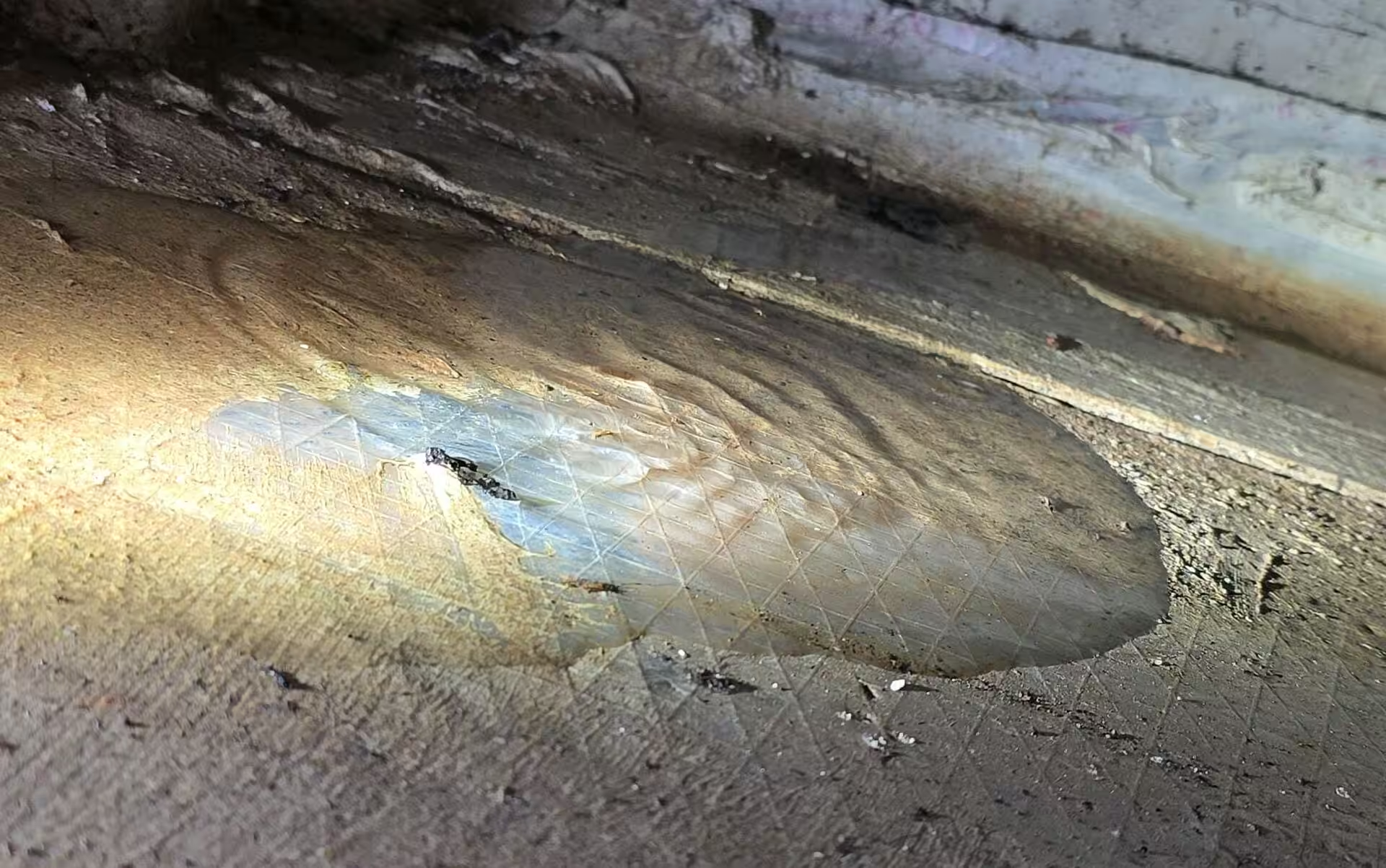
Finding water leaking from your HVAC system can be concerning, especially when the air handler is installed in an attic, closet, or other area where leakage can damage the home.
Air conditioning systems naturally produce condensation while cooling and dehumidifying indoor air. Under normal conditions, this water is collected and safely discharged through the HVAC condensate drainage system.
When water begins leaking from the HVAC air handler, drain pan, or condensate line, it can indicate a blockage, damaged component, drainage problem, or another HVAC condition that should be addressed.
Why Does an HVAC System Produce Condensation?
Condensation is a normal part of air conditioning operation.
During cooling, warm indoor air passes across the cold evaporator coil inside the HVAC system. As the air cools, moisture in the air condenses on the surface of the coil.
This is similar to water forming on the outside of a cold glass.
The moisture falls from the evaporator coil into a condensate drain pan. From there, the water travels through a condensate drain line and is discharged away from the HVAC equipment.
In Florida’s warm and humid climate, an air conditioning system can remove a significant amount of moisture from indoor air. Your condenser and air handler work together to condition the air with in a home, this is called a split HVAC system.
The presence of condensation itself is normal. Water leaking outside of the intended drainage system is not.
Why Is My HVAC Condensate Line Leaking?
There are several reasons an HVAC condensate drainage system may leak.
Some involve relatively simple maintenance issues, while others can indicate problems with the equipment or installation.
Clogged Condensate Drain Line
A clogged condensate drain is one of the most common causes of HVAC related water leakage.
Dirt, biological accumulation, debris, or other material can gradually restrict the drain line.
When water can no longer drain properly, it may back up into the drain pan or overflow around the air handler.
Depending on the system, a properly installed condensate safety switch may shut down the HVAC equipment before an overflow occurs.
Damaged or Disconnected Drain Line
Condensate piping can become cracked, damaged, loose, or disconnected.
Even a relatively small opening can allow water to leak into the surrounding area instead of reaching the intended discharge location.
Drain line connections should remain secure and properly configured to direct condensation away from the equipment.
Damaged or Corroded Drain Pan
The condensate drain pan collects water beneath the evaporator coil.
Over time, metal drain pans can corrode or deteriorate. Plastic pans can also crack or become damaged.
Once the pan is compromised, water may leak through the damaged area rather than entering the condensate drain.
Improper Drainage or Drain Line Slope
Condensate generally relies on gravity to move through portions of the drainage system.
Improperly installed piping, inadequate slope, sagging lines, or other installation conditions can prevent water from draining as intended.
Standing water within the drainage system may also contribute to accumulation and blockage.
Frozen Evaporator Coil
A frozen evaporator coil can eventually produce a significant amount of water when the accumulated ice melts.
Evaporator coils can freeze for several reasons, including restricted airflow and certain HVAC system problems.
A dirty filter, dirty coil, blower problem, or refrigeration related condition may contribute to freezing.
Simply removing the water does not correct the underlying reason the coil froze.
Condensation on the Air Handler or Ductwork
Not every HVAC moisture problem originates from the condensate drain line.
Condensation can sometimes form on the exterior of an air handler, refrigerant line, supply plenum, or ductwork when cold surfaces are exposed to warm, humid air.
Missing or damaged insulation, air leakage, installation conditions, or high humidity may contribute to this type of moisture.
Identifying where the water is actually coming from is important before assuming the condensate drain itself is leaking.
Why Is Water Leaking From the Air Handler?
Water around an air handler can originate from several components.
Potential sources include:
- Condensate drain line
- Primary drain pan
- Auxiliary drain pan
- Evaporator coil
- Frozen coil thawing
- Condensation on the cabinet
- Refrigerant line condensation
- Ductwork or plenum condensation
- Nearby plumbing or other unrelated sources
Because several different conditions can create similar symptoms, the visible location of the water does not always identify the actual source.
Learn more about the indoor HVAC equipment in How Does an HVAC Air Handler Work?
What Is an HVAC Auxiliary Drain Pan?
An auxiliary drain pan, sometimes called a secondary drain pan, may be installed beneath HVAC equipment when leakage could damage the building.
These pans are particularly important when an air handler is installed above finished areas, such as in an attic.
The auxiliary pan is intended to provide additional protection if water escapes from the primary condensate drainage system.
However, an auxiliary pan should not routinely contain water.
Water in the secondary pan can indicate that the primary drainage system is not functioning properly or that another leak is occurring.
A rusted, cracked, improperly installed, or missing auxiliary pan can increase the potential for property damage if a condensate problem develops.
What Does an HVAC Float Switch Do?
A condensate float switch is a safety device designed to help prevent water damage.
When condensate backs up or water reaches a certain level, the float switch can interrupt HVAC operation.
This stops the system from continuing to produce condensation while the drainage problem is present.
If an air conditioning system unexpectedly stops cooling and a condensate safety switch is installed, a drainage problem may be one possible cause.
The switch should not simply be bypassed to keep the system running. The reason it activated should be identified and corrected.
Learn more about how an HVAC float switch works and why it may shut off your air conditioner.
Can a Clogged Condensate Line Cause the AC to Stop Working?
Yes.
If the system has a properly functioning condensate safety switch, a clogged drain can cause the HVAC equipment to shut down.
This is intentional.
The shutdown helps prevent the air conditioner from continuing to produce condensation that cannot drain properly.
A homeowner may initially believe the air conditioner has experienced an electrical or mechanical failure when the actual issue is a backed up condensate drainage system.
However, there are many reasons an HVAC system may stop cooling, so professional evaluation may be necessary when the cause is uncertain.
If the system is operating but isn’t adequately cooling the home, see Why is my HVAC Running But Not Blowing Cold Air?
Can an HVAC Condensate Leak Damage My Home?
Yes.
Even though the amount of water produced at any one moment may appear relatively small, an HVAC system can generate substantial condensation over time, particularly during Florida’s cooling season.
A persistent leak can damage:
- Drywall
- Ceilings
- Insulation
- Flooring
- Cabinetry
- Wood framing
- Interior finishes
- Stored belongings
Repeated moisture exposure can also create conditions conducive to microbial growth and deterioration of building materials.
Leaks involving attic mounted air handlers can be particularly damaging because water may travel through insulation and ceiling materials before the problem becomes readily visible inside the home. If you have discovered staining below an attic air handler, learn how inspectors evaluate ceiling water stains.
Why Is There Water in My HVAC Drain Pan?
A small amount of moisture associated with the primary condensate collection area can occur during normal cooling operation.
However, standing water in an auxiliary or secondary drain pan should be investigated.
Water in the auxiliary pan may indicate:
- A clogged primary drain
- A leaking primary drain pan
- A disconnected drain
- Improper drainage
- A frozen coil thawing
- Condensation from another HVAC component
The presence of water is a warning that the normal condensate drainage system may not be functioning as intended.
Where Does the HVAC Condensate Line Drain?
The discharge location varies depending on the home and HVAC installation.
Condensate may discharge to an approved exterior location or another permitted drainage connection depending on the system design and local requirements.
Homeowners should know where their condensate line terminates so the discharge location can be periodically observed.
A discharge point that is buried, blocked by landscaping, damaged, or otherwise obstructed may contribute to drainage problems.
Can I Unclog an HVAC Condensate Line Myself?
Some homeowners perform basic condensate drain maintenance themselves, but the appropriate approach depends on the system and the cause of the blockage.
Accessible drain terminations and service points may allow basic maintenance without opening or dismantling HVAC equipment.
However, homeowners should avoid modifying drainage components, bypassing safety switches, opening electrical compartments, or attempting repairs when the source of the problem is uncertain.
Repeated clogging can also indicate that cleaning the line is addressing the symptom rather than the underlying condition.
When leakage persists or repeatedly returns, professional HVAC evaluation is recommended.
How Can You Help Prevent HVAC Condensate Leaks?
Routine observation and maintenance can help identify drainage problems before significant damage occurs.
Homeowners can:
- Replace or clean HVAC filters as appropriate
- Keep accessible condensate drain components maintained
- Periodically observe the condensate discharge location
- Look for water around the air handler
- Check accessible auxiliary drain pans for water
- Pay attention if a condensate safety switch shuts down the system
- Address visible corrosion or deterioration
- Have recurring drainage problems professionally evaluated
Attic mounted equipment deserves additional attention because a leak may cause damage before it becomes visible within the living space.
What Do Home Inspectors Check on HVAC Condensate Drainage?
During a home inspection, readily accessible HVAC condensate drainage components are visually evaluated.
Depending on the equipment and installation, an inspector may observe:
- Visible condensate drain piping
- Drain line configuration
- Primary drain connections
- Accessible drain pans
- Auxiliary drain pans
- Condensate safety switches
- Visible corrosion
- Active leakage
- Water staining
- Moisture around the air handler
- Damaged or disconnected drain components
- Visible discharge conditions
The presence of staining can also provide evidence that leakage has occurred previously, even when the system is not actively leaking at the time of inspection.
A home inspection is not an invasive HVAC diagnostic evaluation. Concealed drain lines and internal equipment conditions may not be visible or accessible during the inspection.
When Should an HVAC Professional Evaluate a Condensate Leak?
Professional evaluation is recommended when:
- Water is actively leaking from the HVAC equipment
- The drain repeatedly becomes clogged
- Water is present in the auxiliary drain pan
- The evaporator coil is freezing
- The condensate safety switch repeatedly shuts down the system
- The drain pan is damaged or corroded
- Leakage has damaged surrounding building materials
- Condensation is forming on the air handler or ductwork
- The source of the moisture cannot be identified
- Drainage components appear improperly installed
- The problem returns after basic maintenance
Correcting the source of the moisture is important rather than simply drying the visible water.
The Bottom Line
An HVAC condensate leak usually means that water produced during normal air conditioning operation is no longer being collected or discharged as intended.
Common causes include clogged drain lines, damaged drain pans, disconnected piping, improper drainage, frozen evaporator coils, and condensation occurring on HVAC components.
In Florida’s humid climate, air conditioning systems can produce a substantial amount of condensation. Even a relatively small drainage problem can therefore result in significant moisture damage if it continues unnoticed.
Homeowners should pay particular attention to air handlers installed in attics or above finished areas, where condensate leakage can damage ceilings, insulation, and other building materials.
If water is actively leaking, repeatedly returning, or the source is uncertain, the system should be evaluated by a qualified HVAC professional.
For more information about air handlers, cooling systems, maintenance, and common HVAC conditions identified during home inspections, visit the Tier-1 Pro HVAC Knowledge Center.