
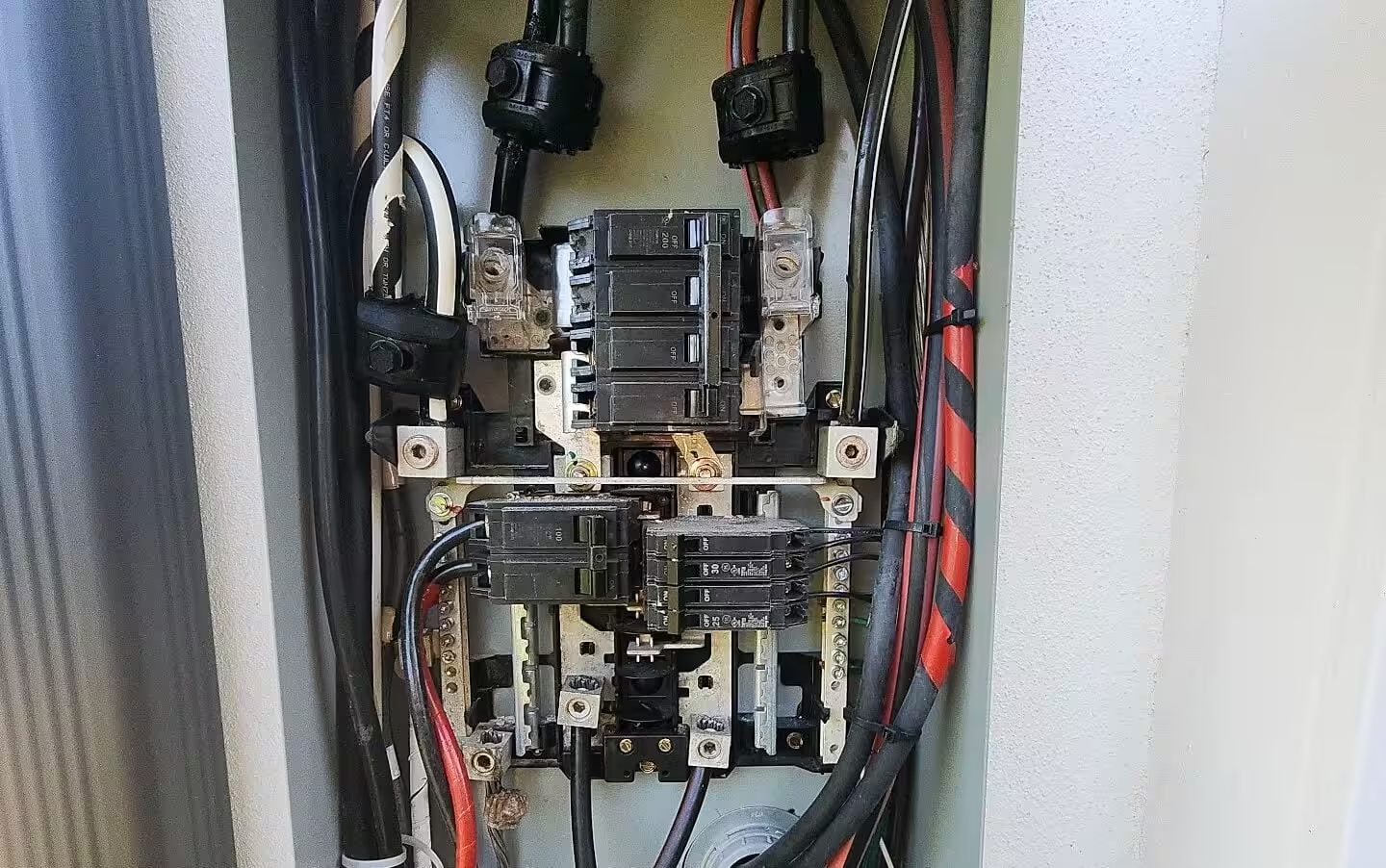
The electrical system is one of the most important systems in a home. It distributes power throughout the property while incorporating protective devices designed to reduce the risk of electrical shock, overheating, equipment damage, and fire.
For homeowners and buyers, understanding the basics of a residential electrical system can make an inspection report much easier to understand.
Electrical systems include much more than outlets and switches. The service entrance, electrical panel, breakers, branch wiring, grounding and bonding, receptacles, lighting, GFCI and AFCI protection, and permanently installed electrical equipment all work together as part of the home’s electrical system.
Older homes may also contain equipment or wiring methods that require additional consideration because of their age, condition, safety characteristics, or potential impact on homeowners insurance.
This guide explains the major components of a residential electrical system, common problems identified during home inspections, and when further evaluation by a qualified electrician may be appropriate.
How Does a Home Electrical System Work?
Electricity enters the home through the electrical service and is distributed to individual circuits through the main electrical panel.
In simplified terms, the system follows this path:
Utility Service → Electrical Meter → Main Disconnect or Panel → Circuit Breakers → Branch Wiring → Outlets, Lights and Equipment
The electrical panel acts as the primary distribution point.
Individual breakers protect circuits supplying different areas and equipment throughout the home.
Depending on the property, these circuits may supply:
- General lighting
- Receptacles
- Kitchen appliances
- Bathrooms
- HVAC equipment
- Water heaters
- Clothes dryers
- Ranges and ovens
- Pool equipment
- Garage circuits
- Exterior equipment
- Other permanently installed systems
Larger electrical loads typically have dedicated circuits rather than sharing general household circuits.
What Is an Electrical Panel?
The electrical panel distributes electricity throughout the home.
Inside the panel are circuit breakers connected to the individual branch circuits supplying electrical devices and equipment.
Depending on the home’s electrical configuration, there may be:
- A main electrical panel
- A separate main service disconnect
- One or more subpanels
- Exterior equipment disconnects
During a home inspection, the electrical panel is an important part of the electrical evaluation because many significant conditions can be identified there.
Inspectors may observe the panel manufacturer, service size, breaker configuration, wiring materials, grounding and bonding, conductor terminations, corrosion, overheating, and other readily visible conditions.
What Does a Circuit Breaker Do?
A circuit breaker is an overcurrent protection device.
Its purpose is to interrupt electrical current when conditions exceed what the circuit is designed to safely handle.
Breakers are selected based on factors that include the circuit and conductor characteristics.
If excessive current flows through a circuit, the breaker should trip and interrupt power.
A breaker that repeatedly trips should not simply be reset indefinitely.
Repeated tripping can indicate an overloaded circuit, electrical fault, equipment problem, or another condition requiring evaluation.
What Is a Double Tapped Breaker?
A double tapped breaker generally refers to two conductors connected beneath a breaker terminal that is designed for only one conductor.
This can prevent the conductors from being properly secured and may contribute to loose electrical connections or overheating.
However, not every breaker with two conductors is automatically improper.
Some breakers are specifically listed by their manufacturer to accept more than one conductor.
The breaker configuration and manufacturer specifications therefore matter when determining whether a condition is actually a defect.
Double tapped breakers are a common electrical finding during home inspections.
Learn more about double tapped breakers and how they are corrected.
What Is Branch Circuit Wiring?
Branch circuit wiring carries electricity from the electrical panel to receptacles, lighting, appliances, and equipment throughout the home.
Modern residential branch wiring commonly uses copper conductors with modern insulating materials.
However, older homes may contain different wiring materials or installation methods.
Examples can include:
- Copper wiring
- Aluminum branch wiring
- Cloth-covered wiring
- Older nonmetallic cable
- Knob-and-tube wiring
- Various modifications from previous renovations or repairs
The presence of older wiring does not always tell you its condition.
The wiring material, insulation, connections, installation method, modifications, and overall condition should all be considered.
What Is Cloth Wiring?
The term cloth wiring is commonly used to describe older electrical wiring that incorporates fabric materials as part of the cable or conductor insulation.
Several different wiring products and configurations can fall under this general description.
Because these systems are older, inspectors may pay particular attention to the condition of the insulation and visible wiring.
Potential concerns can include deterioration, brittle insulation, exposed conductors, ungrounded circuits, improper modifications, or other age-related conditions.
Older wiring can also become an insurance consideration in Florida depending on the specific wiring type and the requirements of the insurance carrier.
Learn more about cloth wiring in Florida homes and what homeowners and buyers should know.
What Is Aluminum Branch Wiring?
Aluminum branch circuit wiring was used in some residential construction, particularly during portions of the 1960s and 1970s.
Aluminum behaves differently than copper at electrical connections.
Improperly installed or maintained connections can become loose or experience increased resistance, potentially resulting in overheating.
The presence of aluminum wiring does not mean every connection is currently defective, but the wiring type warrants careful evaluation.
When solid-conductor aluminum branch wiring is identified, further evaluation by a qualified electrician may be recommended.
Proper remediation methods depend on the wiring and existing installation.
What Is Knob-and-Tube Wiring?
Knob-and-tube is an older wiring method found primarily in significantly older homes.
Individual conductors were routed separately through walls, ceilings, and framing using ceramic knobs and tubes for support and protection.
These systems generally predate modern grounding requirements and may have been modified numerous times over the life of the home.
Potential concerns can include:
- Lack of equipment grounding
- Deteriorated insulation
- Improper modifications
- Concealed splices
- Added insulation surrounding wiring
- Increased electrical demands placed on older circuits
When knob-and-tube wiring remains in service, its condition and configuration should be carefully evaluated.
What Are Grounding and Bonding?
Grounding and bonding are related electrical safety concepts, but they serve different purposes.
Grounding provides a connection between the electrical system and the earth.
Bonding connects conductive components together to help establish an effective path for fault current.
A properly configured grounding and bonding system helps protective devices operate as intended when certain electrical faults occur.
Inspectors may evaluate readily accessible grounding and bonding components, including:
- Grounding electrode conductors
- Ground rods when visible
- Bonding connections
- Panel bonding configuration
- Metal water piping bonding
- Other accessible system components
Improper grounding or bonding can create electrical safety concerns and should be evaluated when deficiencies are identified.
What Is a GFCI Outlet?
A Ground-Fault Circuit Interrupter, commonly called a GFCI, is designed to reduce the risk of electrical shock.
GFCI protection monitors the electrical current flowing through a circuit.
If an imbalance is detected that may indicate current is traveling along an unintended path, the device can quickly interrupt power.
GFCI protection is particularly important in locations where electricity and moisture may be present.
Depending on the age and configuration of the home, these areas can include:
- Bathrooms
- Kitchens
- Garages
- Exterior receptacles
- Laundry areas
- Pool and spa areas
- Other locations where GFCI protection is required
GFCI protection can be provided by a GFCI receptacle, circuit breaker, or another approved configuration.
What Is AFCI Protection?
An Arc-Fault Circuit Interrupter, or AFCI, is designed to detect certain electrical arcing conditions that conventional circuit breakers may not detect.
Electrical arcing can occur when wiring or electrical connections become damaged or compromised.
AFCI protection has become increasingly common as electrical standards have evolved.
Whether AFCI protection is required in a particular home or circuit depends on factors including the age of the installation, location, and applicable requirements.
The absence of modern AFCI protection in an older home does not automatically mean the electrical system was improperly installed when constructed.
This distinction is important when evaluating older properties.
What Is a Grounded Outlet?
A modern three-prong receptacle includes an equipment grounding connection.
This grounding path provides additional protection if an electrical fault energizes conductive components of connected equipment.
Older homes may contain two-prong receptacles or circuits without an equipment grounding conductor.
Simply replacing a two-prong receptacle with a three-prong receptacle does not create a grounding path.
When ungrounded three-prong receptacles are identified, the existing wiring and protection should be evaluated to determine the appropriate correction.
Why Are Some Electrical Panels Considered a Concern?
The manufacturer, age, condition, and configuration of an electrical panel can all be relevant during an inspection.
Certain older panel brands and equipment have developed reputations for performance or safety concerns and may also create difficulties with homeowners insurance.
Examples commonly encountered in older homes can include certain:
- Federal Pacific Electric panels
- Zinsco panels
- Pushmatic equipment
- Other obsolete or aging electrical equipment
The presence of an older panel should be evaluated based on the specific equipment rather than assuming every old electrical panel requires replacement.
Inspectors also look beyond the manufacturer.
Corrosion, overheating, damaged breakers, improper wiring, missing components, modifications, and other conditions can be equally important.
What Are Common Electrical Problems Found During Home Inspections?
Electrical deficiencies can range from relatively straightforward repairs to conditions requiring significant electrical evaluation.
Common findings can include:
- Double tapped breakers
- Double lugged neutral conductors
- Improper breaker or conductor configurations
- Missing GFCI protection
- Improperly wired receptacles
- Ungrounded receptacles
- Open electrical boxes
- Missing junction box covers
- Exposed wiring
- Improper splices
- Damaged wiring
- Corrosion inside electrical equipment
- Missing panel openings or knockouts
- Improper grounding or bonding
- Older or problematic electrical panels
- Aluminum branch wiring
- Deteriorated older wiring
- Improper extension cord use
- Electrical modifications performed without appropriate workmanship
Not every electrical deficiency represents the same level of concern.
The location, condition, electrical load, equipment involved, and nature of the defect all influence the appropriate recommendation.
Why Are Loose Electrical Connections a Concern?
Electrical connections need to remain secure.
A loose connection can create increased electrical resistance.
Increased resistance can generate heat.
Over time, excessive heat can damage:
- Conductors
- Insulation
- Breakers
- Receptacles
- Electrical panels
- Connected equipment
Loose connections may also contribute to arcing.
This is one reason inspectors pay close attention to conductor terminations and visible signs of overheating within electrical equipment.
Why Does My Circuit Breaker Keep Tripping?
A circuit breaker that repeatedly trips is communicating that something may be wrong.
Possible causes include:
- Circuit overload
- Short circuit
- Ground fault
- Damaged wiring
- Faulty electrical equipment
- Breaker problems
- Other electrical conditions
The breaker itself should not automatically be assumed to be defective.
Repeatedly resetting a breaker without determining why it is tripping can allow an underlying electrical problem to remain unresolved.
When repeated tripping occurs, evaluation by a qualified electrician may be appropriate.
Why Are My Lights Flickering?
Occasional light flickering can have several possible causes.
Some may be relatively minor, while others can indicate an electrical condition requiring attention.
Potential causes can include:
- Loose bulbs
- Fixture problems
- Loose electrical connections
- Voltage fluctuations
- Circuit problems
- Service connection issues
- Large electrical loads starting
- Other electrical defects
Flickering affecting multiple areas of the home deserves particular attention.
Because the cause cannot reliably be determined from the symptom alone, recurring or significant flickering should be professionally evaluated.
Are Warm Outlets or Switches Normal?
Electrical devices can sometimes feel slightly warm during operation depending on the device and electrical load.
However, excessive heat, discoloration, melting, burning odors, buzzing, or other signs of overheating are not conditions that should be ignored.
Potential causes can include:
- Loose connections
- Overloaded circuits
- Damaged devices
- Improper wiring
- High-resistance connections
- Equipment problems
Electrical components showing signs of overheating should be evaluated by a qualified electrician.
What Electrical Problems Can Affect Homeowners Insurance?
Electrical systems can become particularly important for Florida homeowners seeking or renewing property insurance.
Insurance carriers may consider factors such as:
- Electrical panel manufacturer
- Wiring type
- System age
- Electrical service configuration
- Visible hazards
- Certain older electrical components
- Conditions documented during a Four Point Inspection
Carrier requirements can vary.
An electrical condition that one insurance company accepts may be treated differently by another.
For this reason, a home inspection and an insurance inspection serve different purposes.
A home inspection evaluates the visible condition and operation of the electrical system as part of the property.
A Four Point Inspection documents specific information about the roof, electrical, plumbing, and HVAC systems for insurance purposes.
Does an Older Electrical System Need to Be Replaced?
Not simply because it is old.
Age is important, but condition and configuration matter.
An older electrical system may have been maintained or upgraded over time.
Conversely, a newer electrical system can still contain improper installations or defects.
Important considerations include:
- Wiring condition
- Panel condition
- Available electrical capacity
- Grounding and bonding
- Protective devices
- Previous modifications
- Electrical demand
- Insurance requirements
- Visible signs of overheating or deterioration
When significant older equipment or wiring is present, an electrician can provide a more specialized evaluation and discuss repair or upgrade options.
Can a Home Inspector Determine if Electrical Work Is Up to Code?
A home inspection is not the same as a municipal code inspection.
Building codes also change over time.
An older home is not generally expected to contain every electrical feature required in newly constructed homes.
During a home inspection, the inspector evaluates readily accessible electrical components for visible deficiencies, safety concerns, improper installations, damage, and other conditions that may warrant attention.
Current electrical standards may help inform that evaluation, but the purpose of a home inspection is not to certify that the entire property complies with every current electrical code requirement.
Should Homeowners Perform Their Own Electrical Repairs?
Homeowners can safely perform certain basic tasks, such as replacing light bulbs or using manufacturer-approved controls.
Electrical repairs are different.
Electrical panels and circuits may contain energized components capable of causing serious injury, shock, burns, or fire.
Tasks involving:
- Electrical panels
- Circuit breakers
- Branch wiring
- Receptacle wiring
- Grounding and bonding
- Service equipment
- Electrical troubleshooting
are generally better handled by qualified professionals.
Homeowners should avoid removing electrical panel covers or attempting repairs involving energized equipment unless appropriately qualified.
What Do Home Inspectors Check in the Electrical System?
During a home inspection, readily accessible electrical components are evaluated for visible conditions and basic operation.
Depending on the property, the inspection may include:
- Electrical service
- Main disconnect
- Electrical panels
- Breakers
- Branch wiring
- Grounding and bonding
- Receptacles
- GFCI protection
- Accessible AFCI protection
- Switches
- Lighting
- Junction boxes
- Visible electrical wiring
- Equipment disconnects
- Signs of overheating
- Improper modifications
- Other readily accessible electrical components
Inspectors may also use testing equipment at accessible receptacles and protective devices.
Electrical components that are concealed behind walls or otherwise inaccessible cannot be fully evaluated during a visual home inspection.
When Should an Electrician Evaluate the Electrical System?
Further evaluation by a qualified electrician may be appropriate when:
- Significant electrical defects are identified
- Wiring shows signs of overheating or deterioration
- Older aluminum branch wiring is present
- Problematic electrical equipment is identified
- Breakers repeatedly trip
- Electrical components show signs of arcing
- Grounding or bonding deficiencies are present
- Electrical modifications appear improper
- Exposed energized components are present
- Significant corrosion is observed
- Electrical capacity or installation concerns require specialized evaluation
- The cause or extent of an electrical problem cannot be determined during a home inspection
A home inspector identifies visible conditions and recommends appropriate next steps.
An electrician can perform specialized testing, repairs, modifications, and additional evaluation beyond the scope of a standard home inspection.
Electrical Systems and Home Inspections
Electrical systems deserve careful attention during a home inspection because defects may affect safety, functionality, future repairs, and in some cases homeowners insurance.
For buyers, the inspection can provide valuable information about the electrical system before purchasing the property.
For existing homeowners, understanding the basic components of the system can make it easier to recognize developing problems and determine when professional assistance may be appropriate.
Older homes deserve particular attention because electrical systems may contain a combination of original components, partial upgrades, additions, and repairs completed over many decades.
The goal isn’t simply to determine whether the lights turn on.
It is to evaluate the visible electrical system as a whole and identify conditions that may require repair, further evaluation, or additional consideration.
The Bottom Line
A home’s electrical system includes the service equipment, electrical panels, circuit breakers, branch wiring, grounding and bonding, receptacles, protective devices, and other components responsible for safely distributing electricity throughout the property.
Understanding these components can help homeowners and buyers better interpret electrical findings during a home inspection.
Some of the most common concerns involve older wiring, outdated electrical equipment, improper conductor terminations, missing protection devices, grounding and bonding deficiencies, and modifications made over the life of the home.
Age alone does not determine whether an electrical system is safe or unsafe.
The specific equipment, installation, condition, modifications, and visible defects all matter.
When electrical deficiencies are identified, appropriate evaluation and repairs should be performed by a qualified electrical professional.
For more information about electrical panels, wiring, GFCI and AFCI protection, older electrical systems, common inspection findings, and insurance considerations, visit the Tier-1 Pro Electrical Knowledge Center.