
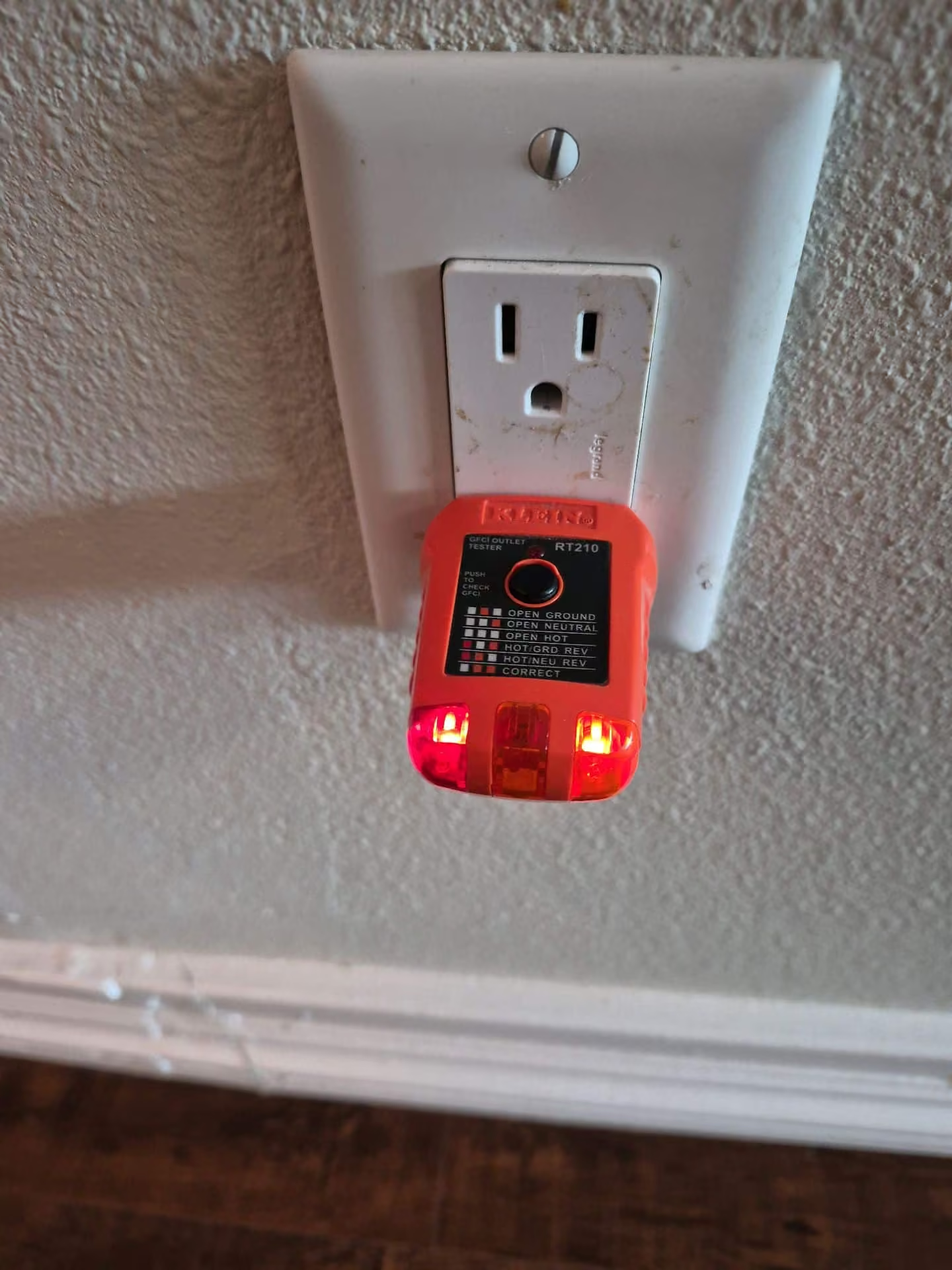
Reverse Polarity at Electrical Outlets: Why It Matters
Learn what reversed polarity means at electrical outlets, why it matters, how inspectors identify it, and when an electrician should evaluate the wiring.

Learn what reversed polarity means at electrical outlets, why it matters, how inspectors identify it, and when an electrician should evaluate the wiring.
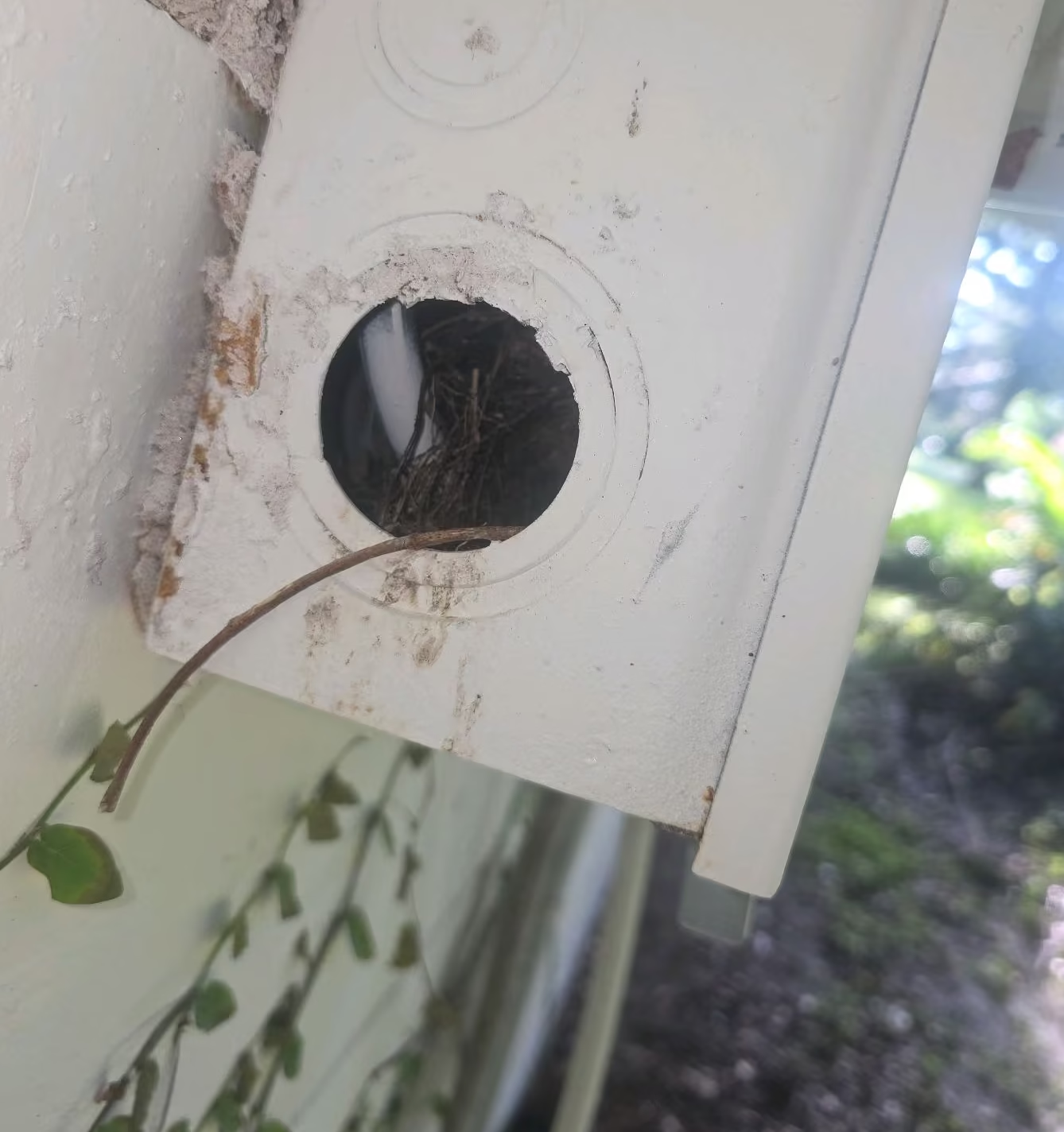
Understand why unused openings and missing breaker filler plates matter in electrical panels, what inspectors look for, and why a licensed electrician should make corrections.
Understand what AFCI breakers detect, how they differ from GFCI devices, why nuisance trips deserve evaluation, and what a home inspector can verify.
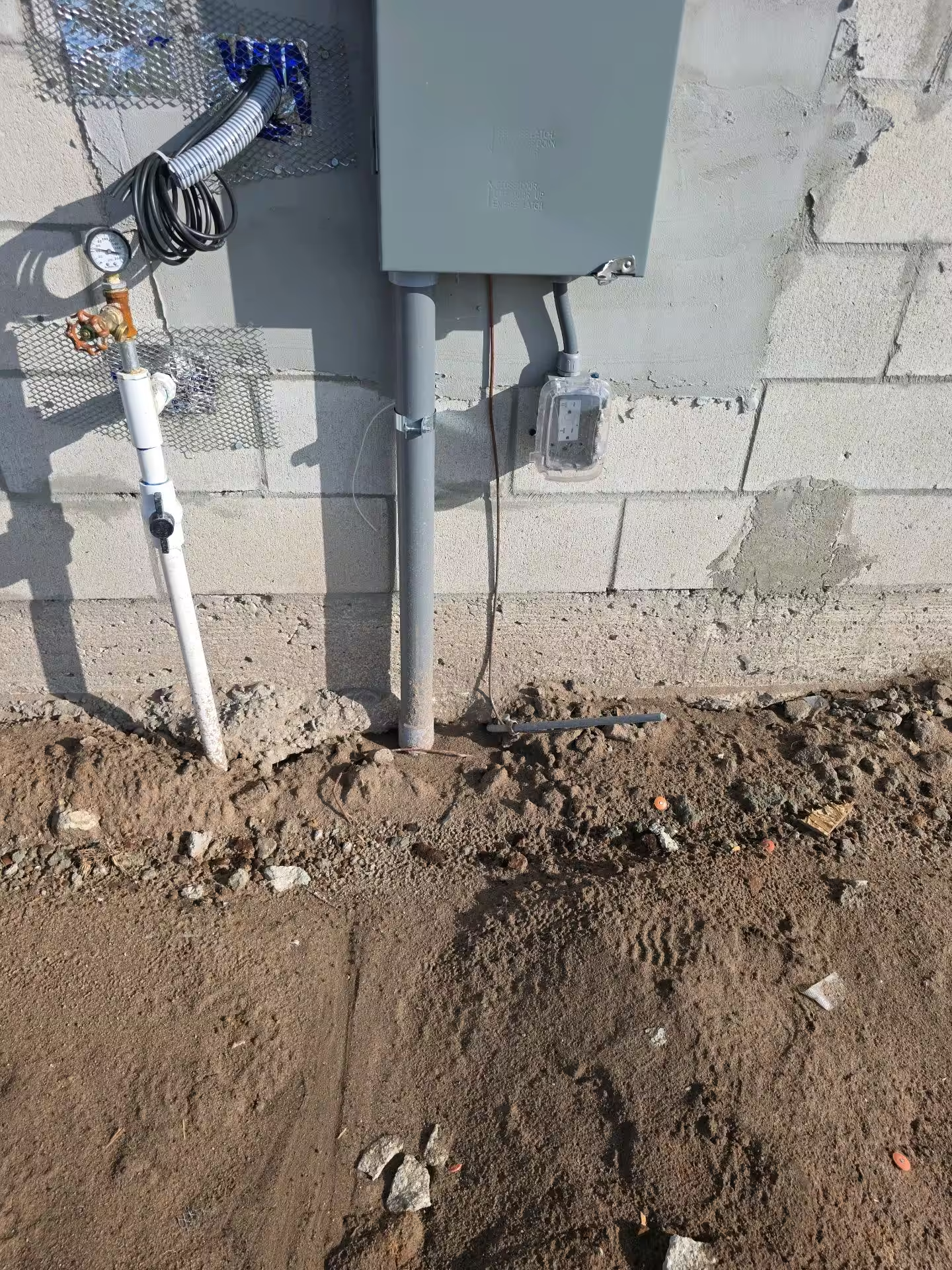
Grounding electrode conductors connect electrical systems to grounding electrodes. Learn visible concerns and why proper connections matter.
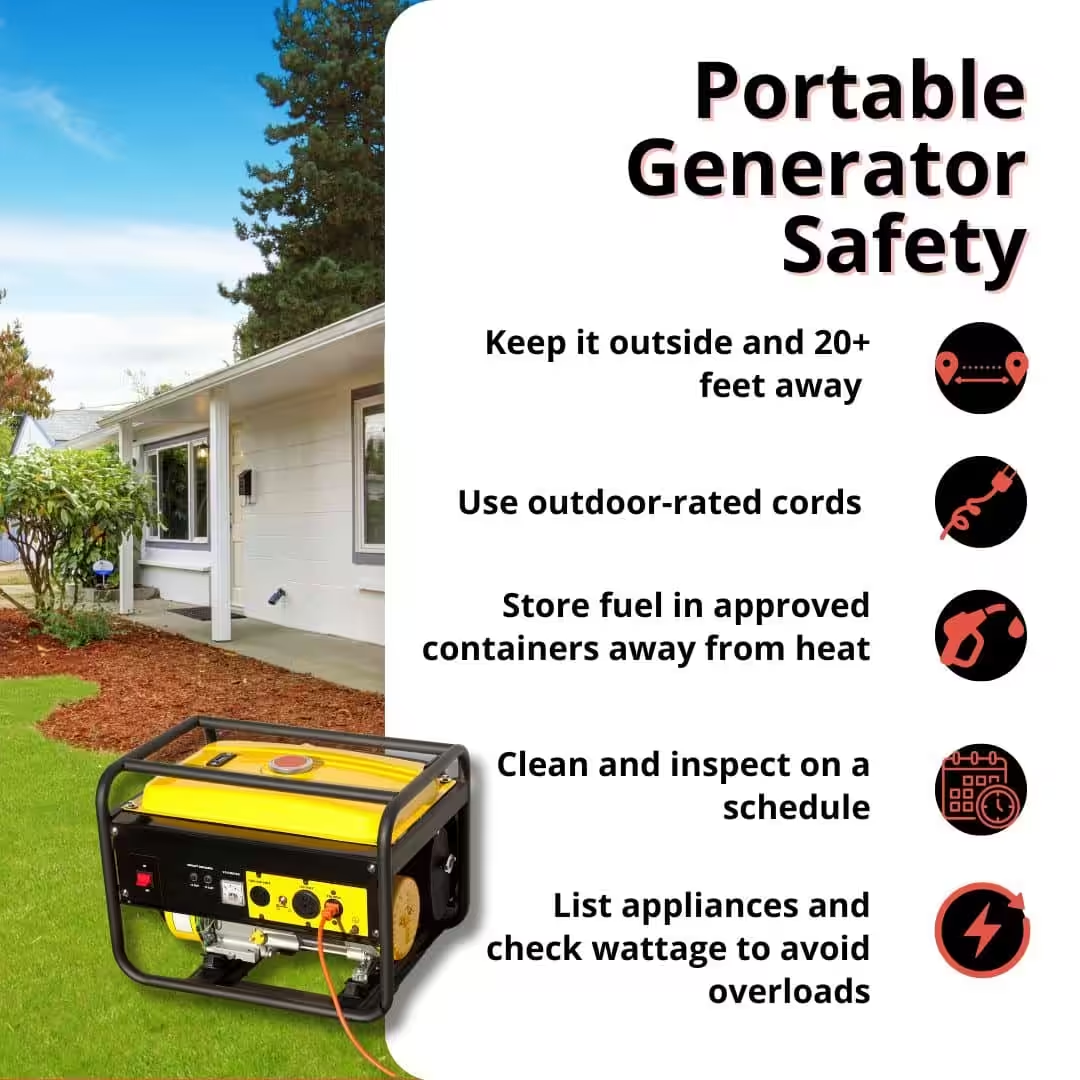
Learn how generator interlocks help prevent backfeeding, what inspectors look for at the electrical panel, and what Florida buyers should know.
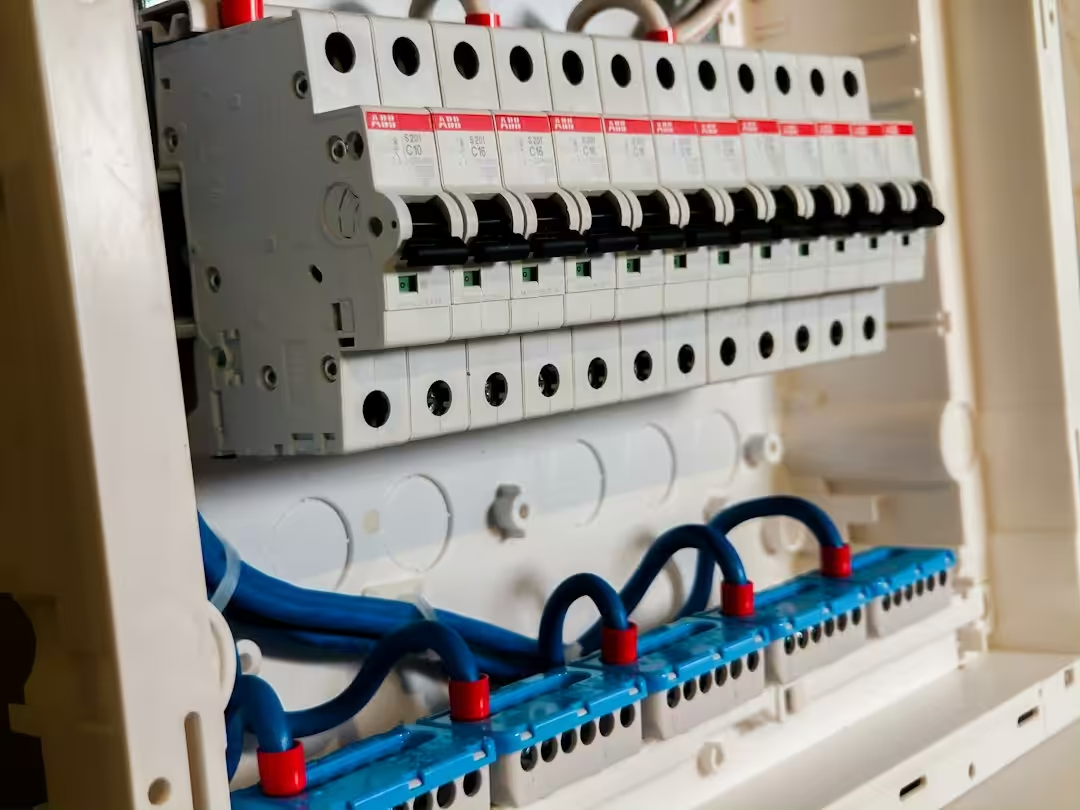
Learn how whole-house surge protectors work, what Florida buyers should know, and what inspectors look for at the electrical service.

Pool electrical safety depends on GFCI protection, bonding, grounding, wiring, lighting, and properly installed equipment. Here’s what Florida buyers should know.

Service Amperage and the Panel Brands Carriers Reject Minimum Amperage Standard: Florida property insurers require a minimum 100-amp electrical service entrance, with 150 to 200
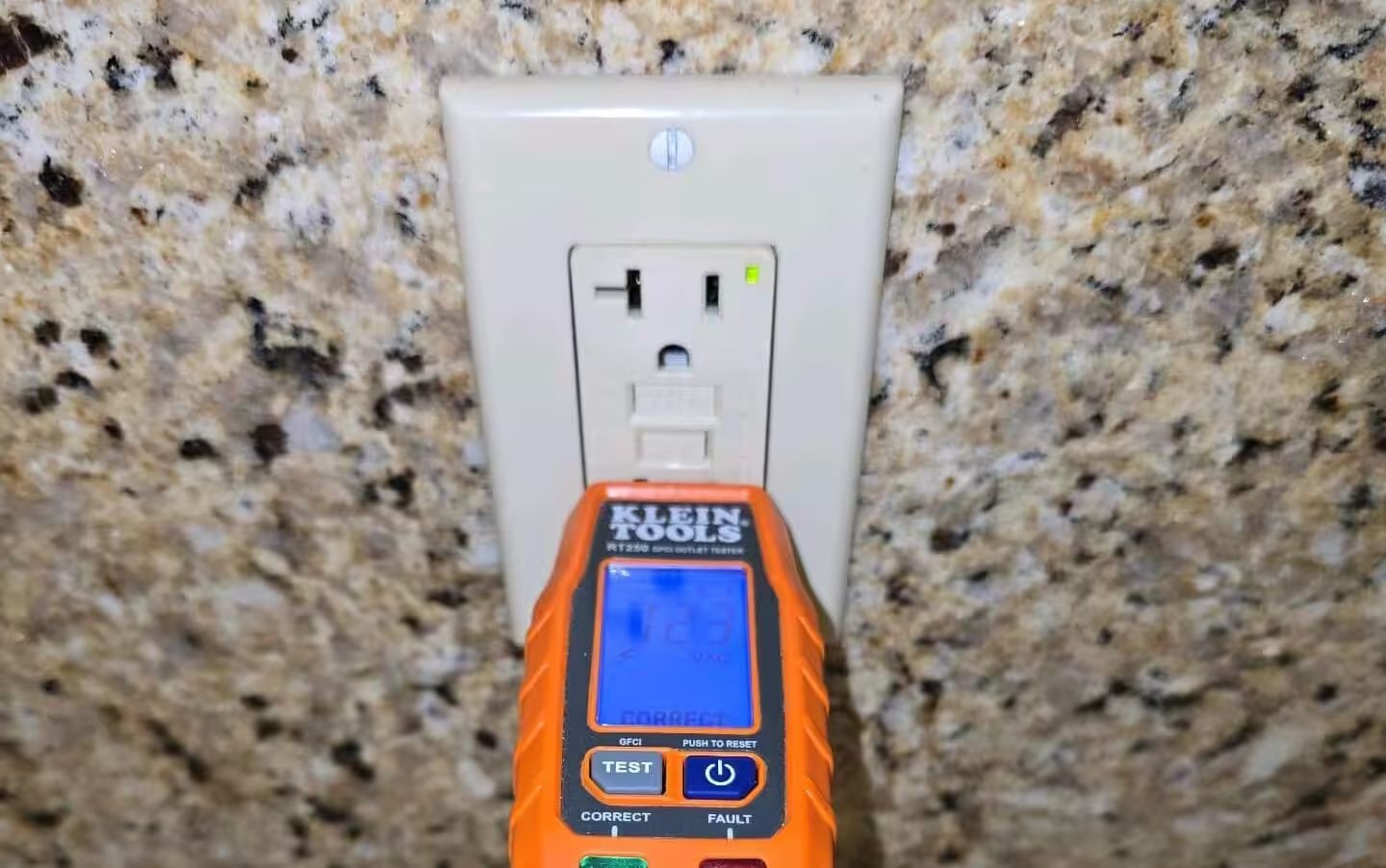
A GFCI outlet, or Ground-Fault Circuit Interrupter, is an electrical safety device designed to reduce the risk of serious electrical shock. GFCI protection is especially
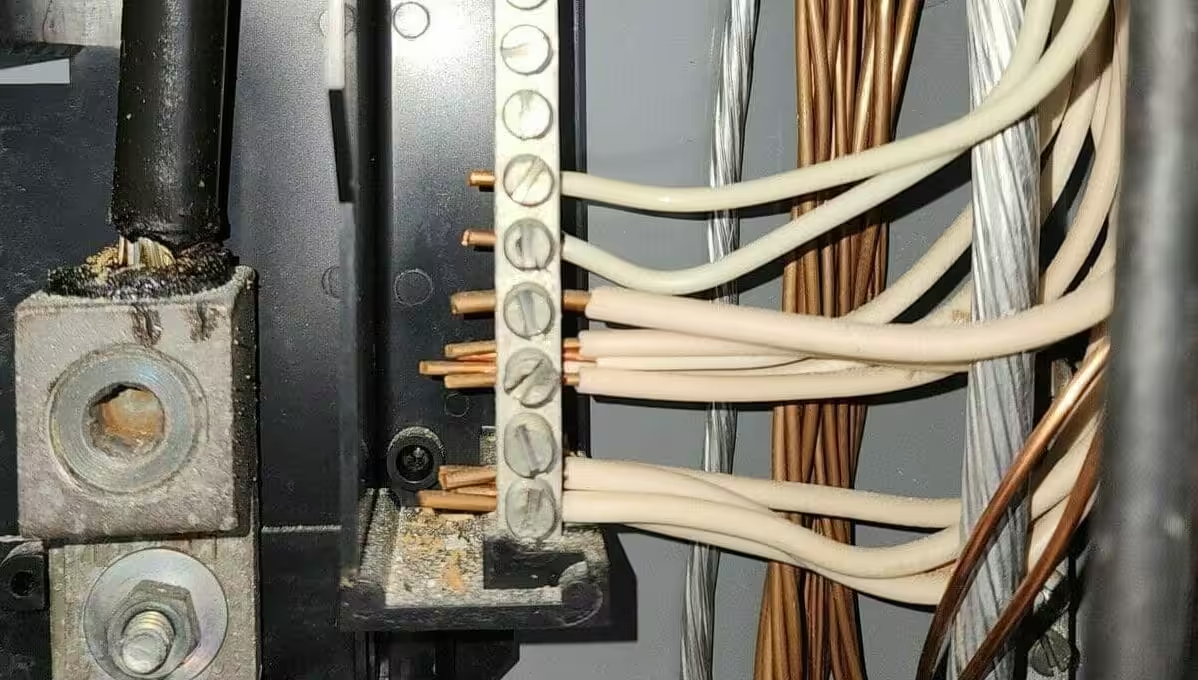
A double lugged neutral occurs when two or more neutral conductors are installed beneath a single terminal on an electrical panel’s neutral bus where the