
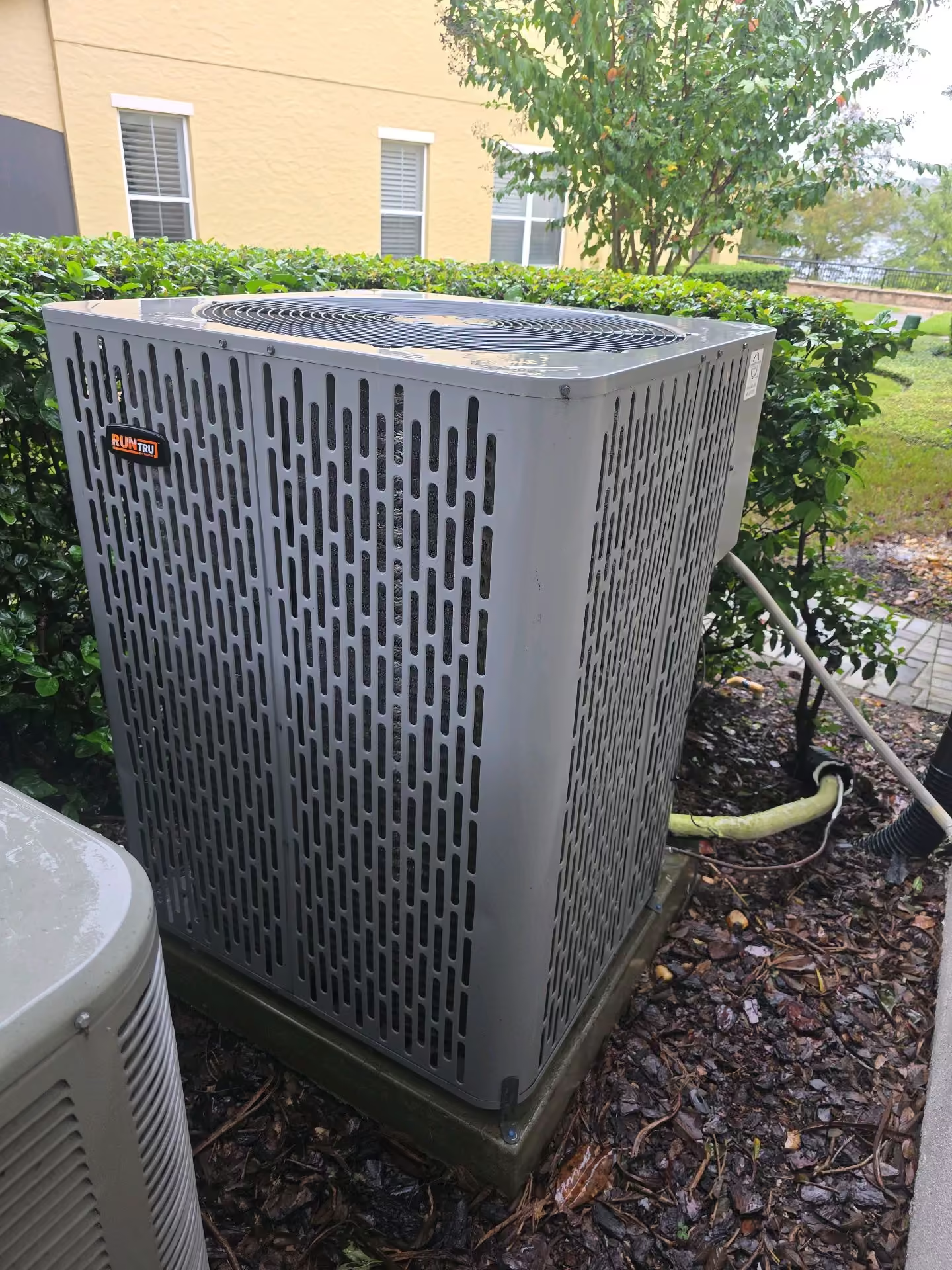
When an air conditioner starts, stops, and starts again after only a short period, it may be short cycling. In Central Florida, where cooling systems operate for much of the year, repeated brief cycles can affect comfort and place additional demands on equipment. Not every short run is a defect, however. Understanding the pattern and the conditions under which it occurs is the first step.
What Is AC Short Cycling?
A typical cooling cycle begins when the thermostat calls for cooling. The system operates until the thermostat senses that the target temperature has been reached, then shuts down. Short cycling generally describes repeated operation in which the cooling equipment shuts off prematurely and restarts without completing an expected cooling cycle.
There is no single run time that proves a system is short cycling in every situation. Outdoor temperature, indoor temperature, thermostat settings, equipment design, and system capacity can influence normal operation. Variable-speed systems may also behave differently from conventional single-stage equipment.
What Causes an Air Conditioner to Short Cycle?
Several conditions can contribute to repeated brief cooling cycles. A restricted air filter, dirty evaporator coil, blocked return, or other airflow problem may interfere with normal heat transfer. In some cases, protective controls may interrupt equipment operation to prevent damage.
A thermostat located near a supply register, exposed to direct sunlight, or affected by a nearby heat source may respond to conditions that do not represent the rest of the living space. Faulty thermostat operation or control wiring can also contribute to unexpected cycling.
Refrigerant-related problems, equipment control faults, and certain compressor protection events can produce similar symptoms. These possibilities require appropriate HVAC diagnostic testing. An inspector should not assign a specific cause based only on the sound of a system starting and stopping.
Could an Oversized Air Conditioner Be Responsible?
Equipment that is oversized for the actual cooling load may satisfy the thermostat quickly and shut down before operating long enough for effective humidity control. This can leave occupants feeling uncomfortable even when the displayed temperature appears acceptable.
Determining whether a system is correctly sized involves more than comparing square footage with equipment tonnage. Insulation, windows, orientation, air leakage, duct design, and other building characteristics influence cooling load. A qualified HVAC contractor can perform an appropriate load calculation when sizing is in question.
Why Short Cycling Matters in Florida Homes
Cooling systems do more than lower air temperature. They also remove moisture from indoor air while operating under suitable conditions. Repeatedly abbreviated cycles may reduce the system’s opportunity to manage humidity effectively. In Florida’s humid climate, that can affect comfort and contribute to conditions favorable to moisture-related concerns.
Frequent starts may also increase wear on certain equipment components. Short cycling does not automatically mean that a compressor has failed, but persistent abnormal cycling deserves evaluation rather than continued operation without investigation.
What Can a Home Inspector Observe?
During an inspection, the inspector may operate accessible HVAC equipment using normal controls, observe whether it responds to the thermostat, note unusual shutdowns or cycling, and evaluate accessible components for visible deficiencies. Depending on the inspection scope and operating conditions, the inspector may also measure a supply-to-return air temperature difference.
A temperature differential is one piece of information, not a complete diagnosis. The reading can be affected by operating time, airflow, humidity, equipment type, and measurement location. Learn more in our article on normal HVAC temperature differential.
Home inspections are limited-duration, visual evaluations. An HVAC system may not exhibit an intermittent problem while the inspector is present. Refrigerant pressures, electrical component testing, and advanced control diagnostics are typically outside a standard inspection and should be performed by an appropriately qualified contractor.
Field Insight
Surprisingly, reversed polarity is a fairly common electrical defect we encounter during home inspections. In many cases, it appears to result from improper wiring during previous DIY repairs or work performed by an unqualified handyman. Although the receptacle may function normally, the reversed connections can create an electrical shock hazard.
Fortunately, correcting reversed polarity is often relatively straightforward for a licensed electrician. However, the condition should not be overlooked, particularly during a real estate transaction. In Florida, unresolved electrical defects can raise concerns with insurance carriers and, depending on the carrier’s underwriting requirements, may delay or prevent coverage until the condition is corrected and properly documented by a licensed electrician.
This is a good example of how a seemingly minor defect can have implications beyond the electrical system itself.
What Should a Homeowner Check First?
Start with safe, accessible observations. Confirm the thermostat is set to cooling, check whether the filter is visibly dirty, and make sure supply registers and return openings are not obstructed. Record approximately how long the system runs and whether the indoor temperature is actually changing.
Do not open energized equipment cabinets, bypass safety switches, or attempt refrigerant repairs. If the system repeatedly shuts down, struggles to cool, trips a breaker, or produces unusual noises, arrange evaluation by a licensed HVAC contractor. The contractor can test airflow, controls, refrigerant performance, and equipment operation as appropriate.
Related HVAC Concerns
Short cycling can resemble other cooling complaints. A system may run continuously but cool poorly because of dirty coils or filters, or conditioned air may be lost through duct leakage. A condensate drainage problem can also interrupt operation when a safety switch activates. These conditions should be distinguished through evaluation rather than assumed to be the same defect.
The U.S. Department of Energy provides additional information about air-conditioning efficiency and operation.
Considering a Home Purchase?
An air conditioner that turns on is not necessarily performing as intended. A professional home inspection helps identify visible and operational concerns within the inspection scope so buyers can arrange further evaluation before closing when needed. Tier-1 Pro Inspections provides residential inspections throughout Central Florida, including assessment of accessible HVAC components.