
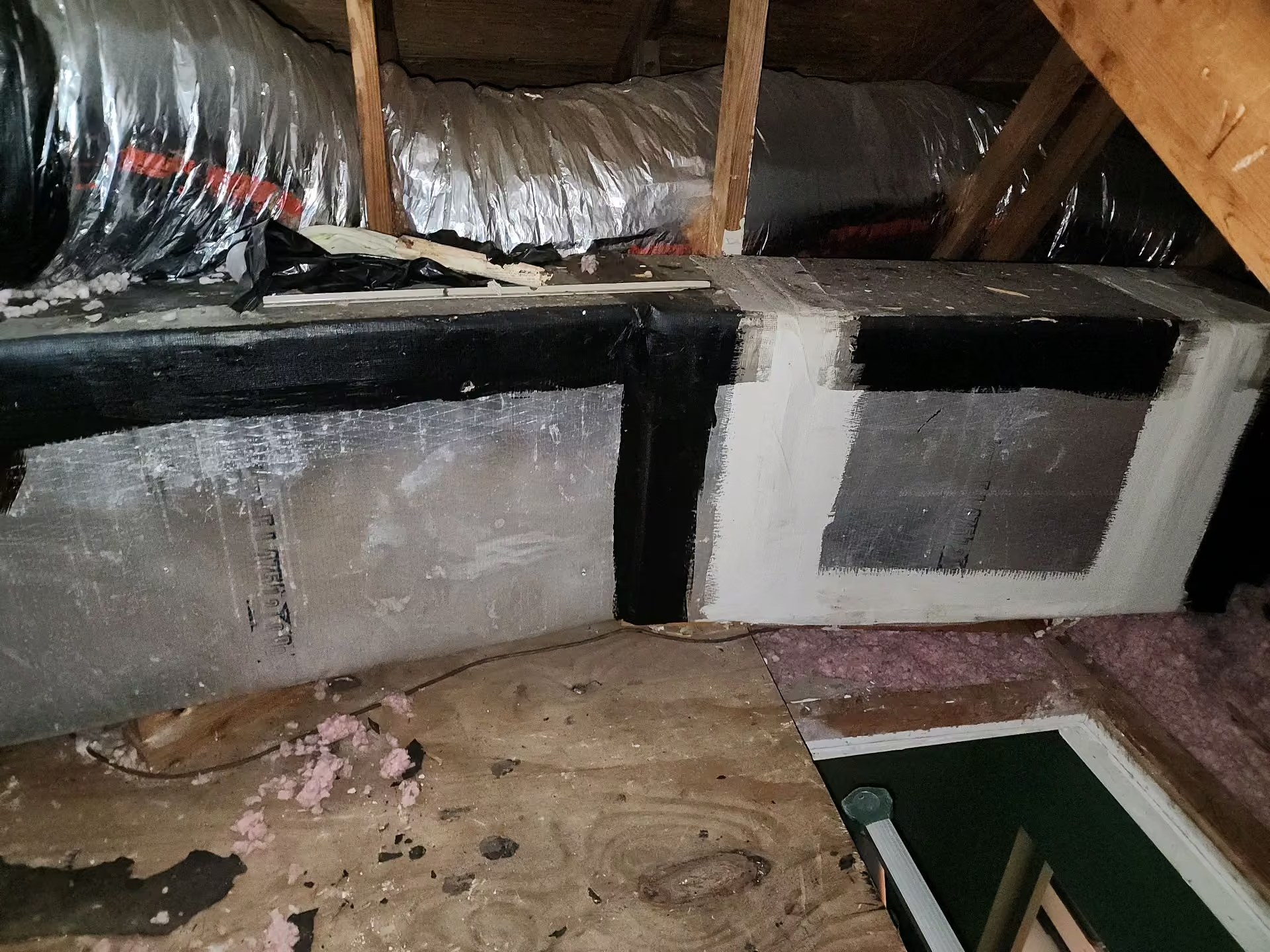
When one room stays warm even though the air conditioner runs, the equipment itself may not be the only issue. Air leaks in supply ductwork can allow cooled air to escape into an attic before it reaches the intended room. Leaky return ducts may also pull air from spaces that are not conditioned.
Where duct leaks commonly occur
Potential leakage points include loose connections at supply plenums, poorly sealed duct boots, separated flexible duct joints and damaged duct sections. A disconnected run may deliver little or no conditioned air to a bedroom, office or other occupied space. Duct sizing, restrictions, balancing problems and equipment performance can produce similar symptoms, so a warm room does not prove a leak.
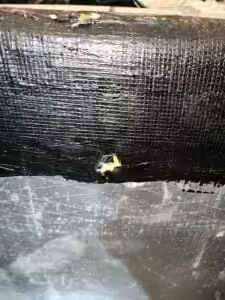
Why Florida attics make leakage costly
Attic ductwork can be exposed to high heat and humidity. Escaped supply air represents cooling that never reaches the living space. Return-side leakage can draw attic air into the system, increasing cooling demand and potentially creating comfort or moisture concerns. According to U.S. Department of Energy duct-sealing guidance, properly sealed ducts can support comfort, energy performance and indoor air quality.
What inspectors can observe
A visual inspection may identify loose or disconnected ducts, open joints, damaged exterior insulation, visible air movement at gaps, or rooms without an apparent supply outlet. Testing temperature differentials and observing airflow can provide clues, but these observations do not replace a duct leakage test, airflow balancing or HVAC diagnostic evaluation.

Repairs and professional evaluation
Repairs should address the source of leakage using products appropriate for the duct system. Sealing materials, connection hardware and insulation repairs must be compatible with the equipment and installation. A qualified HVAC contractor can evaluate leakage, distribution, duct sizing and overall performance rather than treating every hot room as an equipment-replacement problem.
Supply leaks versus return leaks
A supply-side leak allows cooled air to escape before it reaches the intended room, often into an attic. Return-side leakage can draw warmer or more humid air into the duct system before it reaches the air handler. Both can affect energy use and comfort, but their symptoms and repairs differ. A loose supply connection also does not rule out a return-air problem elsewhere in the system.
Other causes of an uncomfortable room
A warm bedroom does not prove there is a duct leak. Flexible ductwork may be crushed, kinked or poorly supported. Closed registers, unbalanced branches, inadequate return-air paths, duct sizing, solar heat gain or equipment faults can produce similar complaints. An HVAC professional should evaluate these possibilities before recommending costly repairs or replacing the air conditioner. Noting whether the problem changes throughout the day can help narrow down the cause.
Why insulation and moisture matter
If insulation on a cold supply duct is damaged, humid attic air may reach its cooler exterior surface. Condensation can develop under some conditions, leaving damp insulation or staining on nearby materials. This does not establish that the duct has a refrigerant problem or that a visible dark area is mold. Leakage and insulation defects can occur together or separately. A proper repair may involve sealing the joint, restoring insulation and reviewing humidity and airflow conditions rather than covering the stain.
What to ask the HVAC contractor
Identify which rooms have poor airflow, when the problem is most noticeable and whether it began after remodeling or other repairs. Ask the contractor to inspect accessible duct joints, supports, branches, insulation and obstructions. Where warranted, leakage testing or airflow measurements can help establish the actual performance problem. A single register temperature reading or a brief visual inspection does not certify duct design or capacity. If the ductwork is concealed, additional evaluation may be necessary before anyone can give a reliable repair scope.
After repairs, ask the HVAC contractor to confirm that the affected rooms receive adequate airflow. Documenting the original complaint and the measured results can help distinguish a corrected defect from an unresolved comfort problem.
Field Insight
Disconnected ductwork is more common than many homeowners realize, and we find it in everything from new construction to older homes. Often, sellers are completely unaware of the issue. They’ve noticed the warning signs, such as a room that’s consistently too hot or too cold, stale or musty air from inadequate air circulation, or general discomfort, but never understood the underlying cause.
Air leaks are also common, particularly in aging duct systems. Renovated and flipped homes can be especially concerning. While the finishes and HVAC equipment may be updated, the existing ductwork is often overlooked because replacing it can be expensive. A home may look completely renovated while still relying on aging, damaged, or poorly connected ductwork.
Learn more about damaged HVAC ductwork, sweating HVAC ducts and our HVAC Knowledge Center. When scheduling an inspection, tell the inspector about rooms that have never cooled consistently so the concern can be documented within the inspection’s scope.