
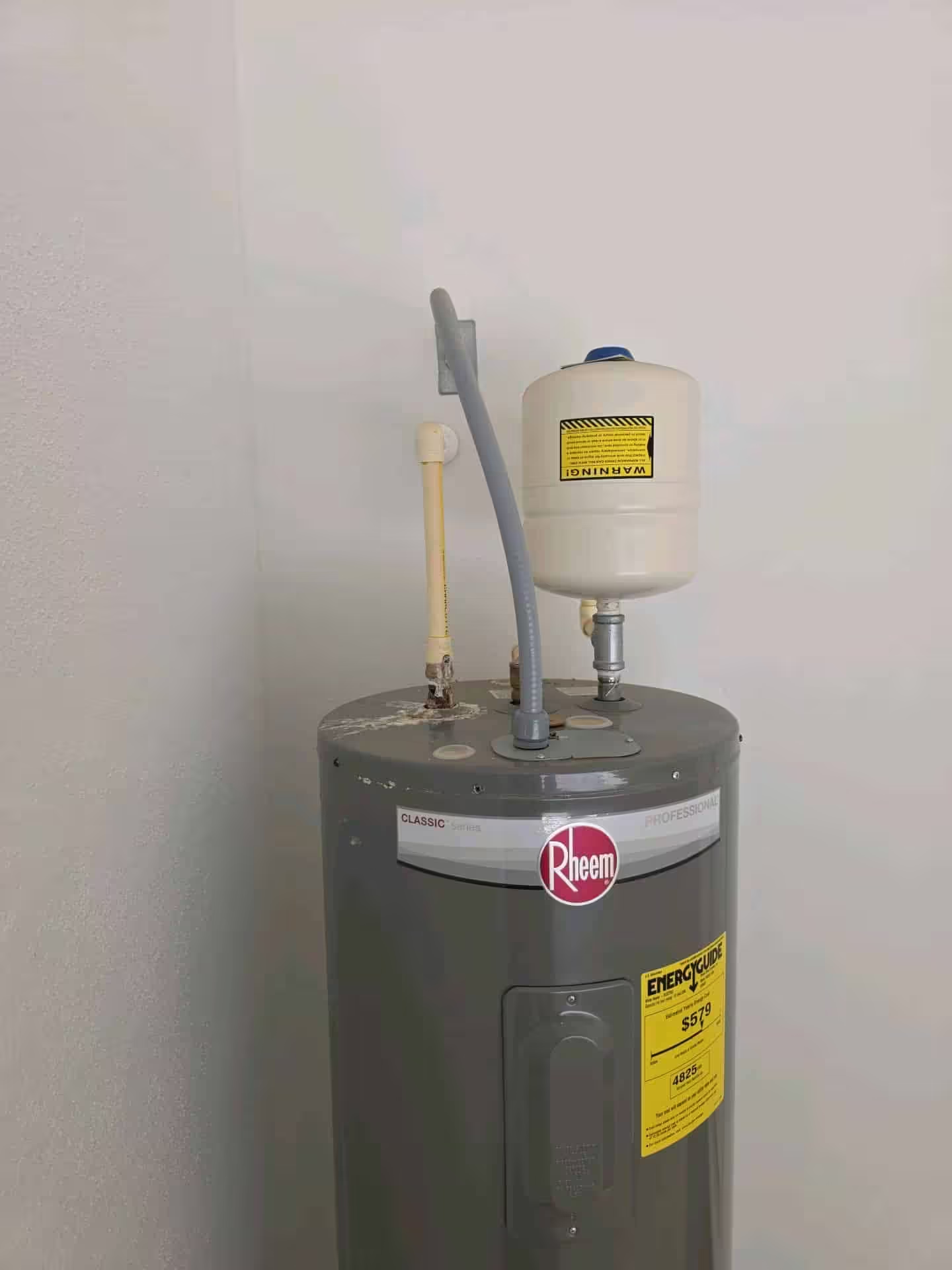
A water heater expansion tank is a small component with an important job. It provides space for water to expand as it heats, helping manage pressure changes in a closed plumbing system. For Florida buyers, the presence, absence, condition, and installation of an expansion tank can provide useful information about how the water heater and supply system are configured.
What Does a Water Heater Expansion Tank Do?
Water expands as its temperature rises. In some plumbing systems, that increased volume can move back toward the public water supply. In a closed system, a check valve, backflow device, or pressure-reducing valve may prevent that movement. The result is thermal expansion pressure within the property’s plumbing system. This is closely related to the property’s overall water pressure, which can affect fixtures, valves, supply connections, and water-heating equipment.
An expansion tank contains an air chamber separated from the water by a flexible diaphragm or bladder. As heated water expands, the tank provides a place for the additional volume to go instead of allowing pressure to rise unnecessarily throughout the system. Watts describes potable-water expansion tanks as equipment designed to absorb the increased water volume created by thermal expansion and help maintain balanced system pressure.
When Is an Expansion Tank Needed?
Whether an expansion tank is required depends on the plumbing configuration, local requirements, and whether the system is considered closed. The absence of an expansion tank does not automatically mean a defect exists in every property.
During an inspection, the more useful question is whether the water heater and water-supply system are configured in a way that requires thermal expansion control and whether the installed components appear appropriate for that configuration.
What Inspectors Look For
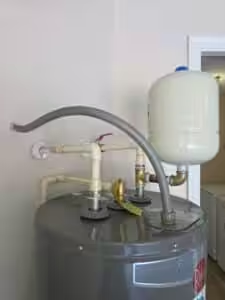
When an expansion tank is present and visible, an inspector may look at its location, support, connections, visible corrosion, leakage, and general installation. The surrounding water-heater installation also matters because pressure-related symptoms may involve more than the expansion tank itself.
Common observations can include an unsupported tank, corrosion at fittings, active leakage, an unusual mounting arrangement, or evidence that the tank may no longer be performing as intended. Determining internal tank pressure or sizing may require further evaluation beyond a visual inspection.
Why Thermal Expansion Matters
Excessive pressure can place additional stress on plumbing components. Over time, that may contribute to leakage at fixtures, valves, supply connectors, or the water heater itself. A temperature and pressure relief valve that repeatedly discharges can also be a sign that the system needs further evaluation, although several conditions can cause relief-valve discharge.
Expansion tanks should therefore be considered as one part of the larger plumbing system rather than as an isolated accessory.
What If the Expansion Tank Is Missing or Defective?
If inspection findings suggest that thermal expansion control is needed, or an installed tank shows visible deficiencies, evaluation by a qualified plumbing professional is appropriate. A plumber can determine whether the system is closed, verify operating pressure, evaluate the tank, and determine the proper correction.
What Florida Buyers Should Know
Florida properties can have a wide range of plumbing configurations depending on age, renovations, utility conditions, and previous equipment replacement. A newer water heater does not necessarily mean every related component was installed or updated correctly. The same principle applies to supply piping. Materials such as PEX plumbing may be newer while the surrounding valves, pressure-control components, or water-heater connections still warrant evaluation.
A home inspection provides a visual evaluation of accessible plumbing components and can identify conditions that warrant additional attention. It does not replace pressure testing, internal tank testing, or a trade-specific plumbing evaluation when those services are needed.
Learn More About Plumbing Systems
For more information about supply piping, drainage, water heaters, fixtures, and other common inspection findings, visit our Plumbing Systems Knowledge Center.