
A home’s plumbing system delivers clean water throughout the property and safely carries wastewater away. When everything is working properly, most homeowners rarely think about it. But leaks, aging materials, drainage problems, and improper installations can lead to expensive repairs and significant property damage.
For home buyers, understanding the basic components of a plumbing system can help put inspection findings into perspective and identify areas that may deserve closer attention.
How Does a Home Plumbing System Work?
Residential plumbing can generally be divided into two primary systems:
Water supply piping brings pressurized water into the home and distributes it to fixtures and appliances.
Drain, waste, and vent piping carries wastewater away from sinks, showers, toilets, and appliances while allowing the drainage system to properly vent.
The plumbing system also includes fixtures, shutoff valves, water heaters, exterior hose connections, and numerous fittings and connections throughout the property.
Each part plays a role in safely delivering and removing water from the home.
Where Does the Home’s Water Come From?
Most Central Florida homes receive water from either a municipal water supply or a private well.
For homes connected to municipal water, the main water service line carries water from the utility connection into the property. A main shutoff valve allows the home’s water supply to be shut off when repairs or emergencies occur.
Homes supplied by private wells use additional equipment to draw and pressurize water before distributing it throughout the home.
Once water enters the property, the home’s supply piping distributes it to plumbing fixtures, appliances, and the water heater.
What Types of Plumbing Pipes Are Found in Florida Homes?
The age of a home can provide clues about the plumbing materials that may be present.
Common water supply materials found in Central Florida homes include:
- Copper
- CPVC
- PEX
- PVC in approved applications
- Galvanized steel in some older homes
- Polybutylene in some homes built during certain periods
Different piping materials have different characteristics, installation requirements, and potential concerns.
Older piping does not automatically mean a plumbing system needs replacement. However, certain materials have known histories of deterioration, leakage, insurability concerns, or other issues that buyers should understand.
How Does the Drainage System Work?
While supply piping operates under pressure, most residential drainage systems rely primarily on gravity.
Wastewater flows from plumbing fixtures into branch drains and eventually into the home’s main building drain and sewer or septic system.
The drainage system is also connected to vent piping that typically extends through the roof. Plumbing vents allow air into the drainage system and help fixtures drain properly while maintaining the water seals inside plumbing traps.
Problems with drainage or venting can contribute to slow drains, gurgling fixtures, sewer odors, backups, or other plumbing concerns.
Where Does Wastewater Go?
Depending on the property, wastewater typically flows to either a municipal sewer system or an onsite septic system.
For homes connected to municipal sewer, an underground sewer line carries wastewater away from the home toward the public system.
Because much of this piping is underground and inaccessible, its interior condition generally cannot be determined through a standard visual home inspection.
Older or damaged sewer lines can develop concerns such as root intrusion, deterioration, separation, restrictions, or other defects that may affect drainage.
Homes with septic systems rely on an onsite tank and drainfield rather than a municipal sewer connection. These systems have their own maintenance and inspection considerations.
What Role Does the Water Heater Play?
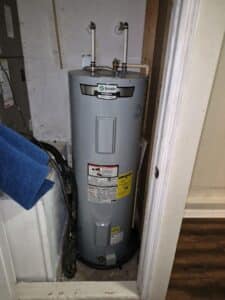
The water heater is another major component of the plumbing system.
Traditional tank-style water heaters store and heat a supply of water for use throughout the home. Tankless systems heat water as it is needed rather than storing a large volume.
During a home inspection, the inspector evaluates readily accessible portions of the water-heating system for visible defects and safety concerns.
Conditions such as leakage, corrosion, improper installation, aging equipment, or problems with safety components can warrant repair or further evaluation.
What Plumbing Problems Are Commonly Found During Home Inspections?
Plumbing defects can range from relatively minor maintenance items to conditions capable of causing significant water damage.
Common findings can include:
- Leaking fixtures or piping
- Corroded or deteriorated plumbing components
- Slow or improperly draining fixtures
- Loose or damaged plumbing fixtures
- Improper drain or trap configurations
- Missing or improper plumbing vents
- Water heater deficiencies
- Inadequate or excessive water pressure
- Aging or problematic piping materials
- Improper repairs or modifications
- Evidence of previous or active water intrusion
The significance of a plumbing concern depends on the location, severity, materials involved, and underlying cause.
Why Are Plumbing Leaks Important?
Even relatively small plumbing leaks can become significant when they remain undetected.
Water can damage drywall, cabinetry, flooring, framing, and other building materials. Persistent moisture can also create conditions conducive to microbial growth.
Some leaks are readily visible. Others may occur inside cabinets, behind appliances, within walls, below flooring, or in other difficult-to-access areas.
Signs such as staining, damaged finishes, elevated moisture readings, or unexplained deterioration can sometimes indicate a current or previous plumbing concern.
Should I Be Concerned About Older Plumbing?
Not necessarily, but it is something to be aware of.
Many older plumbing systems remain functional, but age and material type should be considered along with the actual condition of the system.
Older homes may contain plumbing materials that are no longer commonly installed, and previous repairs or renovations can result in multiple generations of piping being present within the same property.
For buyers, identifying the visible plumbing materials during the inspection can help provide a better understanding of the system and whether additional evaluation or future upgrades should be considered.
What Does a Home Inspector Check in the Plumbing System?
This generally includes observations of plumbing fixtures, visible supply and drainage piping, water-heating equipment, functional drainage, water flow, and other accessible components.
Inspectors may also identify evidence of leakage, deterioration, improper installation, or conditions that warrant repair or additional evaluation by a qualified plumbing professional.
A home inspection is visual and non-invasive. Concealed piping inside walls, below slabs, underground, or in other inaccessible areas cannot be fully evaluated.
Does a Home Inspection Include the Underground Sewer Line?
A standard home inspection does not provide a complete evaluation of the interior condition of an underground sewer line.
This is an important distinction because significant portions of the sewer lateral may be buried beneath the yard, driveway, landscaping, or other areas of the property.
A sewer scope inspection uses a camera inserted into the drain line to evaluate accessible portions of the interior of the piping. This can provide additional information about conditions that cannot be seen during a standard home inspection.
For buyers who want a more complete understanding of the property’s drainage system, a sewer scope can provide an additional layer of due diligence.
When Should a Plumber Be Consulted?
Not every plumbing defect requires a major repair, but some findings warrant additional evaluation.
A licensed plumber may be recommended when an inspection identifies significant leakage, recurring drainage problems, deteriorated piping, improper installations, water heater concerns, or conditions where the extent of the problem cannot be determined through a visual inspection.
Further evaluation can help determine the cause of the condition, appropriate repairs, and potential costs.
Understanding the Plumbing System Before You Buy
Plumbing is one of the most important systems in a home because failures can affect both daily use and the surrounding building materials.
Understanding the visible piping materials, water-heating equipment, drainage performance, and overall condition of the system can help buyers make more informed decisions about the property.
A professional home inspection provides an evaluation of the readily accessible plumbing components and can identify visible defects or conditions that may require attention.
Looking for more plumbing information? Visit our Plumbing Knowledge Center for additional articles covering common plumbing systems, materials, defects, maintenance concerns, and inspection findings.