
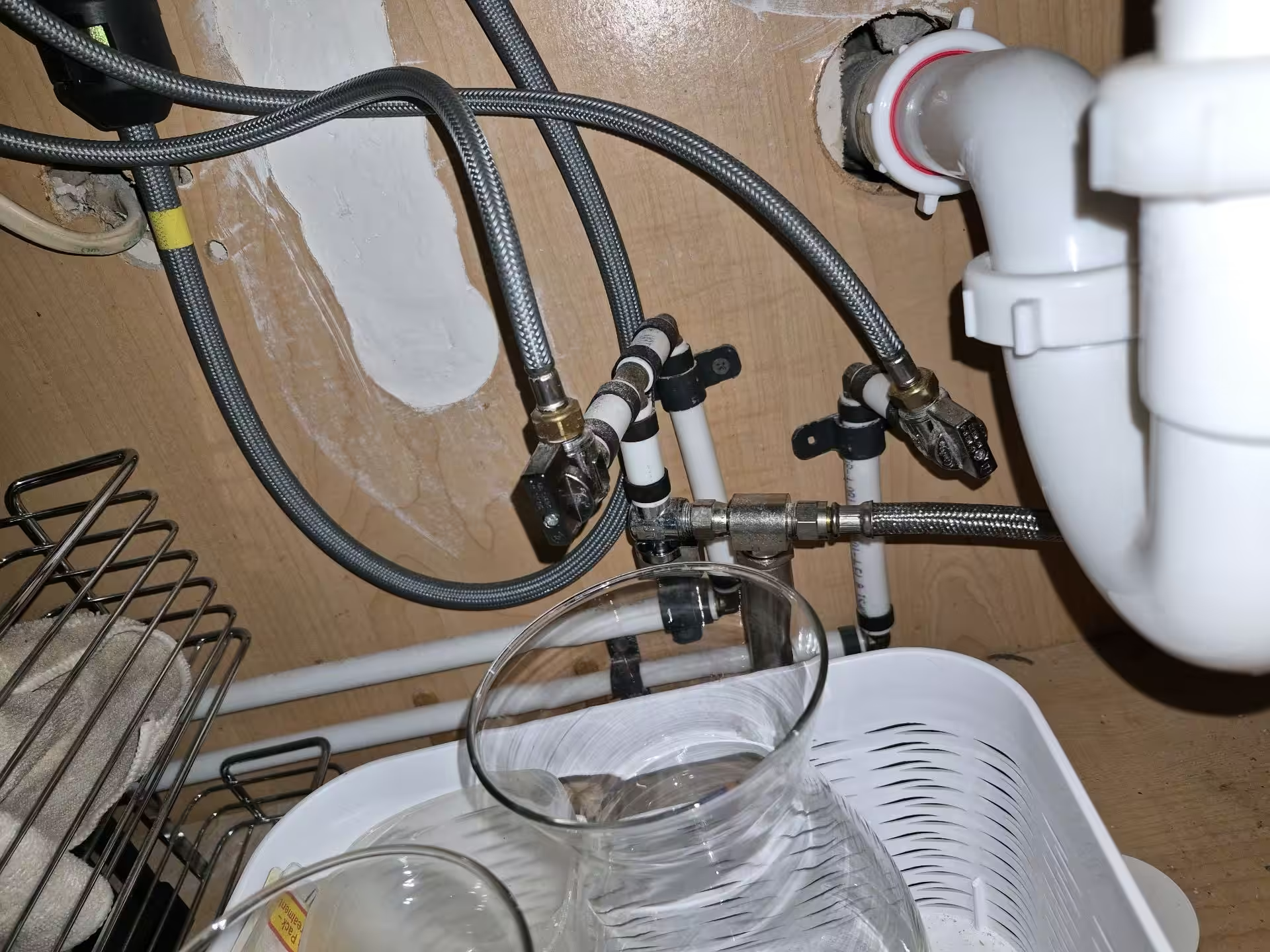
If you’re buying a home and the inspection identifies PEX plumbing, you may wonder whether the piping should be a concern.
PEX is a widely used plumbing material in modern residential construction and repiping, and its presence alone is not generally considered a defect.
However, not every PEX system is the same. The age of the piping, fittings, installation quality, visible condition, repair history, and even your insurance carrier’s requirements can all be important when evaluating PEX in a Florida home.
What Is PEX Plumbing?
PEX stands for cross-linked polyethylene. It is a flexible plastic piping material primarily used to distribute hot and cold water throughout a home.
Its flexibility allows plumbers to make longer piping runs with fewer fittings than many rigid piping materials. PEX is commonly found in newer Central Florida homes and is also frequently used when older homes undergo a whole-house repipe.
Is PEX an Accepted Plumbing Material?
Yes. PEX is commonly used in modern residential plumbing systems.
It offers several practical characteristics that have contributed to its widespread use:
- It does not corrode like metallic piping.
- Its flexibility can reduce the number of fittings required.
- It can be routed through areas where rigid piping may be more difficult to install.
- It is widely used in new construction and residential repiping.
Seeing PEX during a home inspection is therefore not automatically a reason for concern.
What matters more is which PEX system is installed, when it was installed, how it was installed, and its current condition.
Why Does the Age of PEX Matter?
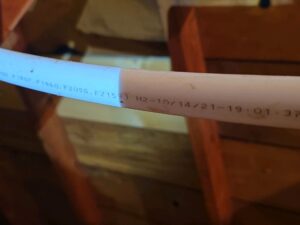
PEX has been used for decades, and the products, fittings, connection methods, and installation practices associated with these systems have evolved over time.
Some earlier PEX installations have received additional scrutiny because of historical concerns involving certain piping products, fittings, components, or installation periods.
That does not mean every older PEX system is defective or needs to be replaced.
It does mean that when older PEX is identified, there may be more reason to determine the approximate age of the system, look closely at accessible fittings and connections, and understand whether the system could create an insurance concern.
This is particularly relevant in older Florida homes that were repiped with PEX years ago.
Can PEX Plumbing Affect Homeowners Insurance in Florida?
It can.
Insurance companies establish their own underwriting requirements, and those requirements can vary between carriers and change over time.
Some Florida insurance carriers may scrutinize older PEX installations more closely, while newer PEX systems are generally less likely to create the same underwriting concerns. A carrier may consider factors such as the approximate installation date, condition of the system, previous leakage, repairs, or other characteristics of the plumbing system.
This is why there isn’t one age at which PEX suddenly becomes universally unacceptable.
If an older PEX system is identified, confirming acceptability with your insurance agent or carrier before closing is a smart step.
Your home inspector can identify visible plumbing materials and conditions, but the insurance company ultimately determines whether a particular plumbing system meets its underwriting requirements.
Is PEX the Same as Polybutylene?
No. PEX and polybutylene are different plumbing materials.
This distinction is especially important for buyers because both are flexible plastic water-supply piping and can sometimes be confused.
Polybutylene was widely installed in previous decades and has a history of failures that has resulted in significant insurance and replacement concerns.
PEX is a different material and continues to be widely installed in new homes and residential repiping today.
If you’re purchasing a home with plastic water-supply piping, correctly identifying the material is important before drawing conclusions about the plumbing system.
What Do Home Inspectors Look for With PEX?
During a home inspection, readily accessible portions of the plumbing system are evaluated for visible defects and installation concerns.
With PEX piping, conditions that may warrant attention include:
- Active leakage
- Evidence of previous leakage
- Damaged or kinked piping
- Improper support
- Questionable or improper connections
- Deterioration or corrosion at accessible fittings
- Improper repairs or modifications
- Piping exposed to conditions that could damage it
- Other visible installation deficiencies
Much of a home’s plumbing system is concealed inside walls, ceilings, floors, and other inaccessible areas. A visual home inspection therefore cannot evaluate every section of piping or every concealed fitting.
The accessible portions can still provide useful information about the material, installation, and overall visible condition of the system.
What if an Older Home Was Repiped With PEX?
Finding PEX in an older home often means the original plumbing system has been partially or completely replaced.
That can be an important improvement, particularly if the PEX replaced an older or problematic piping material.
However, buyers should still try to determine:
- Approximately when the repipe was completed
- Whether the entire home was repiped or only portions
- Whether permits were required and obtained
- Whether accessible piping appears properly installed
- Whether there is evidence of previous or current leakage
- Whether documentation for the repipe is available
It is not uncommon for renovated homes to contain more than one generation of plumbing material. Seeing newer PEX in one accessible area does not necessarily establish that all older piping has been removed.
Should I Be Concerned if the Home I’m Buying Has PEX?
PEX itself should not automatically be viewed as a concern.
Newer PEX is common in Florida homes and is regularly used in both new construction and repiping.
When an older PEX system is present, however, it is reasonable to gather a little more information. The approximate installation date, visible condition, fittings, previous repairs, permitting history, and insurance requirements can all provide useful context.
For buyers, the more helpful questions aren’t whether PEX is simply “good” or “bad.”
Instead, ask:
How old is the system?
Does the accessible installation appear satisfactory?
Is there evidence of leakage or previous repairs?
Was an older home completely repiped or only partially repiped?
Will my insurance carrier accept the system?
Those answers provide a much better understanding of the plumbing system you’re actually purchasing.
The Bottom Line
PEX is a commonly accepted plumbing material, and its presence alone is not generally considered a defect.
For newer installations, PEX is a routine finding in Central Florida homes. Older installations may deserve additional attention because products and installation methods have evolved and insurance carriers may have different underwriting requirements.
The goal isn’t to label PEX as a problem simply because it’s present. It’s to understand the age, installation, condition, and history of the specific plumbing system in the home you’re considering.
Looking for more plumbing information? Visit our Plumbing Knowledge Center for additional articles about piping materials, drainage systems, common plumbing concerns, and home inspection findings.