
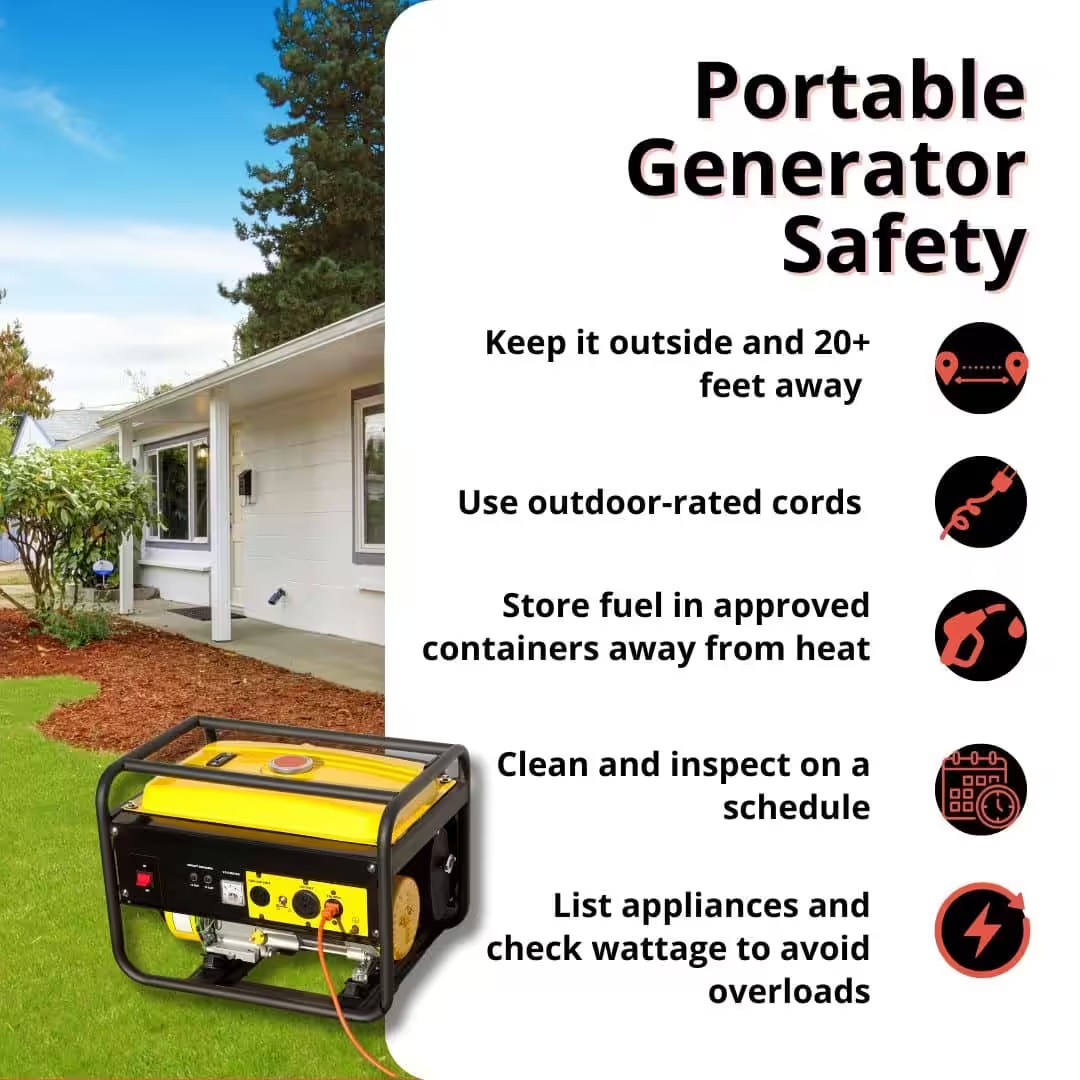
Portable generators are common in Florida, especially when homeowners prepare for hurricane-related power outages. Connecting a generator to a property’s electrical system, however, requires a safe method of preventing utility power and generator power from energizing the system at the same time. One common method is a generator interlock.
What Is a Generator Interlock?
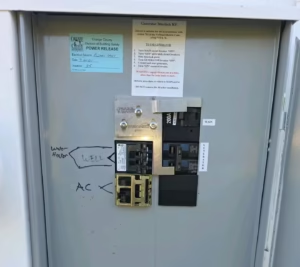
A generator interlock is a mechanical device installed at an electrical panel. Its purpose is to prevent the main utility disconnect and the generator-supplied breaker from being in the ON position at the same time.
When properly configured, the interlock requires the main breaker to be switched off before the generator breaker can be switched on. This creates a physical sequence that separates the property from utility power before generator power is introduced.
Why Is the Interlock Important?
Without an approved transfer method, generator power can potentially feed back through the electrical system toward the utility. Backfeeding can create a serious hazard for utility workers, occupants, and electrical equipment. The U.S. Department of Energy warns against backfeeding a property through a receptacle and recommends appropriate transfer equipment when a generator is connected to building wiring. DOE generator safety guidance provides additional context.
An interlock also helps prevent utility power and generator power from being connected to the panel simultaneously. The equipment must be appropriate for the specific panel and installed as part of a properly configured generator connection.
What Inspectors Look For
When generator equipment is present and accessible, an inspector may look for the connection method, generator breaker, interlock or transfer equipment, labeling, visible wiring conditions, and whether the installation appears to prevent simultaneous operation of the utility and generator supplies.
A missing, damaged, loose, incompatible, or bypassed interlock can defeat the intended protection. A breaker labeled for generator use does not by itself confirm that the installation has an appropriate transfer mechanism. This is one reason the panel should be evaluated as a complete system, just as with other electrical panel inspection findings.
Interlock vs. Transfer Switch
An interlock and a transfer switch can both be used as part of a generator installation, but they operate differently. An interlock typically works directly with breakers at the main electrical panel. A transfer switch uses separate switching equipment to transfer selected circuits or loads between utility and generator power.
The appropriate configuration depends on the electrical system, generator, equipment listing, and installation design.
What If an Inspector Finds a Problem?
If the generator connection lacks an appropriate interlock or transfer method, or visible conditions raise questions about the installation, evaluation by a qualified electrical contractor is recommended. The electrician can verify compatibility, wiring, equipment ratings, and the proper means of isolating generator power from the utility supply.
What Florida Buyers Should Know
A generator can be a valuable feature in a Florida property, but the connection to the electrical system matters as much as the generator itself. Buyers using portable equipment can also review our portable generator safety guidance for additional considerations. Improvised cords, undocumented modifications, or incomplete panel alterations should not be assumed safe simply because the generator has operated previously.
A home inspection is a visual evaluation of accessible components. It does not simulate a utility outage or perform a full load test of a generator system unless specifically included in the inspection scope.
Learn More About Electrical Systems
For more information about panels, breakers, wiring, grounding, GFCI protection, and other common findings, visit our Electrical Systems Knowledge Center.