
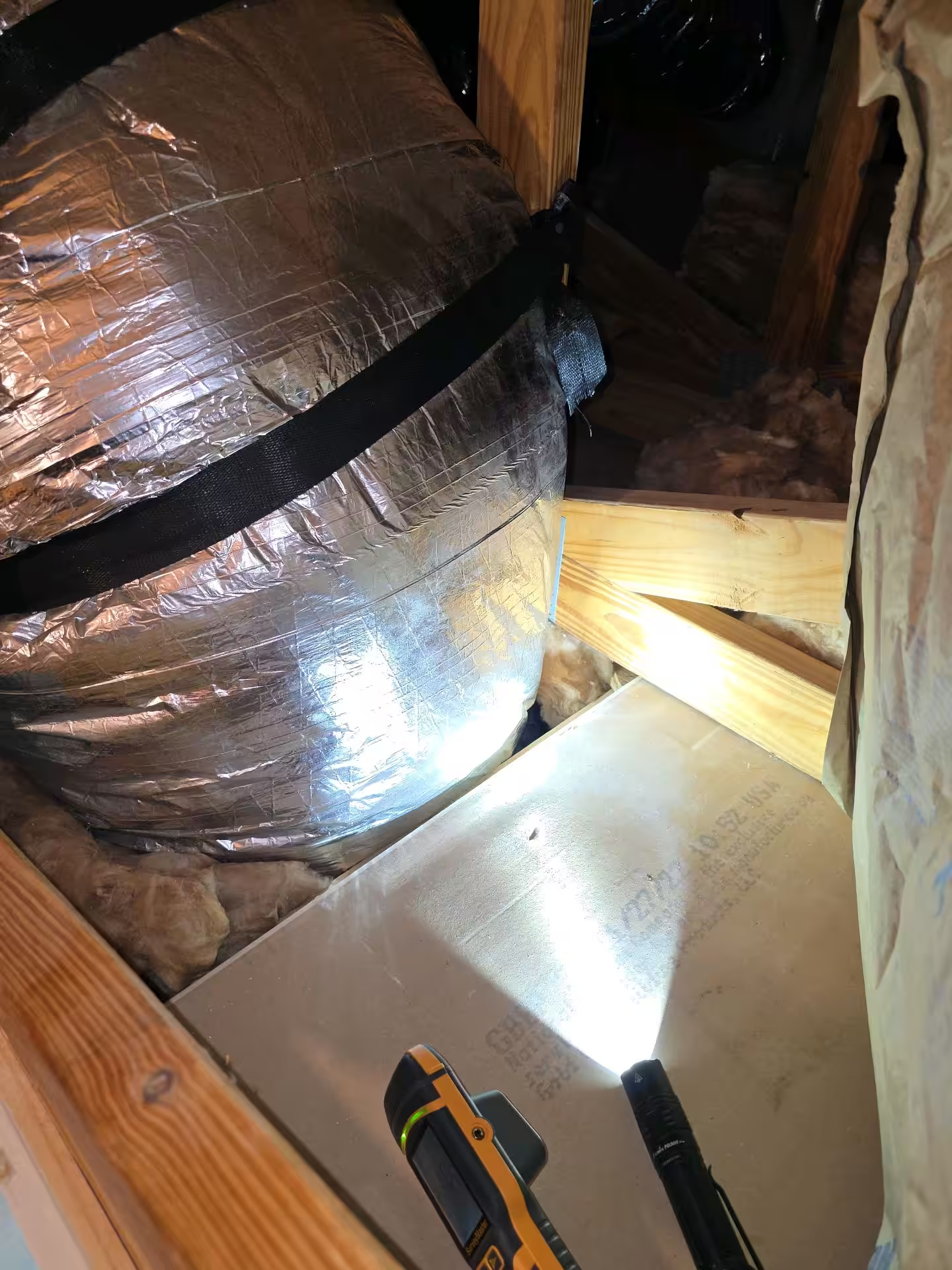
Water droplets on an air-conditioning duct can look like a plumbing leak, but in many Florida properties the moisture is condensation. Warm, humid air contacts a cool duct surface, and the water vapor in that air turns into liquid. A little condensation may seem harmless, but persistent sweating can wet attic insulation, ceiling materials, or nearby framing.
Why air-conditioning ducts sweat
Air supplied by an operating air-conditioning system is considerably cooler than the surrounding Florida attic. Properly installed duct insulation keeps the outside of the duct warm enough to reduce condensation. When insulation is missing, compressed, torn, poorly sealed, or wet, the outer surface can fall below the dew point of the surrounding air.
Condensation risk also increases when attic humidity is elevated, duct connections leak cold conditioned air, or an unconditioned space has unusual moisture intrusion. The cause is not always a single damaged section of insulation.
What inspectors look for
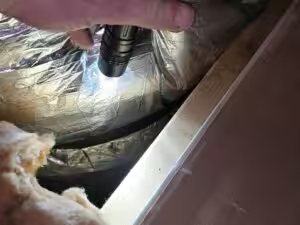
A home inspection can identify accessible conditions such as deteriorated insulation jackets, disconnected insulation, staining around supply registers, visible droplets, damp ceiling materials, or duct runs that appear poorly supported. Inspectors may also notice conditions that suggest elevated humidity or an air leak at a connection.
These visible clues do not establish the full condition of concealed ducts or prove exactly where condensation begins. A qualified HVAC contractor may need to assess insulation, duct sealing, airflow, temperature differences, and surrounding humidity together.
When sweating becomes a concern
Persistent moisture can degrade insulation performance, damage finishes, and create conditions favorable for microbial growth on susceptible materials. A stained ceiling below an attic duct should not automatically be blamed on a roof leak, and a wet duct should not automatically be blamed on inadequate insulation alone.
Practical next steps
- Have an HVAC contractor identify whether the moisture is condensation, leakage, or another source.
- Repair compromised insulation and properly seal duct connections as warranted.
- Investigate high humidity or water intrusion if the surrounding attic is unusually damp.
- Address any damaged building materials after the moisture source is corrected.
Field Insight
During a recent 11-month warranty inspection, the homeowner mentioned that the upstairs always seemed muggy and had a slight odor in the mornings.
Our inspectors were able to trace the issue to HVAC ductwork condensation that had saturated two interior walls.
The ductwork traveled through a wall cavity to supply conditioned air to the first floor. Unfortunately, the wall cavity was not properly sealed, allowing hot, humid attic air to enter and become trapped around the cold ductwork.
The resulting condensation was significant enough to saturate the surrounding drywall. Fungal growth was also observed on the ductwork, adjacent building materials, and nearby plumbing.
Ultimately, poor design and installation practices led to extensive moisture damage that could have gone unnoticed for much longer. Fortunately, this was identified during the 11-month warranty inspection, giving the homeowner an opportunity to have the builder address the deficiencies and necessary repairs before the warranty expires.
Frequently asked questions
Is a sweating duct always defective?
Visible droplets indicate moisture is condensing, but the underlying cause and seriousness depend on the conditions, duration, and affected materials.
Can duct tape fix sweating ducts?
Ordinary cloth duct tape is not a dependable repair for damaged duct insulation or air leakage. An HVAC contractor should use appropriate, compatible sealing and insulation materials.
For a technical explanation of condensation prevention, see the U.S. Department of Energy’s duct insulation guidance.
For more on related conditions, read our guide to damaged HVAC ductwork and explore the HVAC Knowledge Center.