
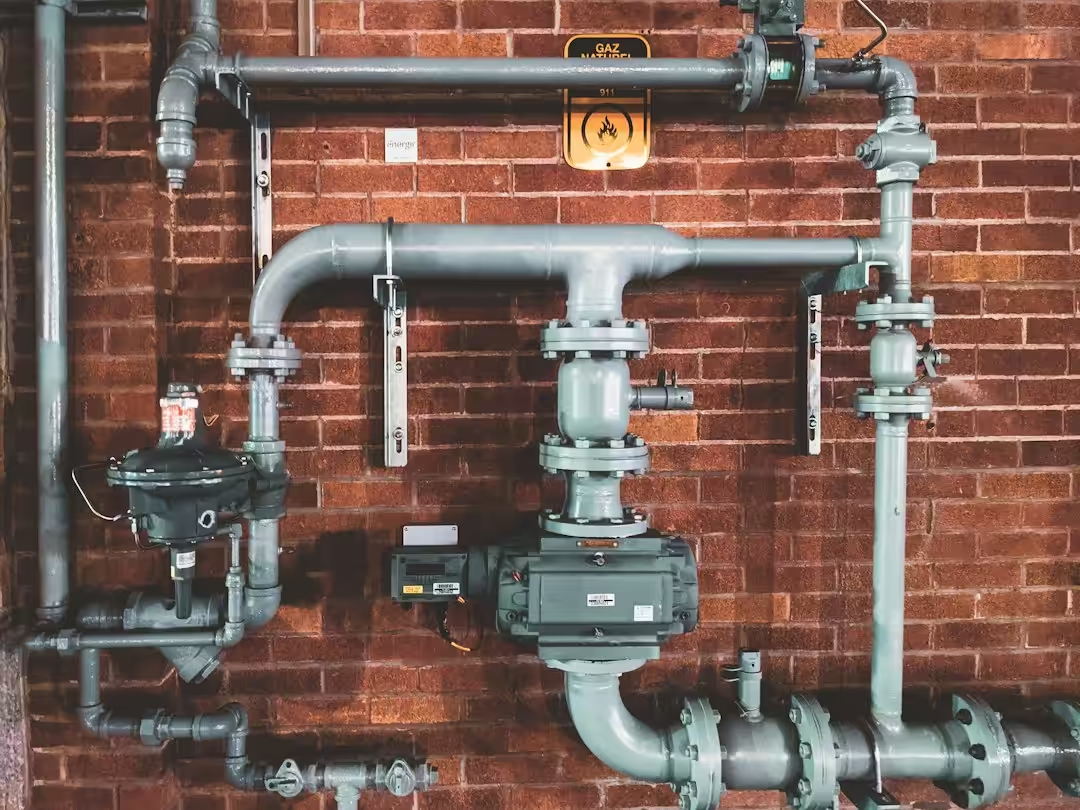
Cast iron drain piping is common in many older Florida properties. Its presence does not automatically mean the plumbing system has failed or needs replacement, but age, corrosion, cracking, buildup, and underground deterioration can become important concerns for buyers.
For a buyer evaluating an older Central Florida property, the key question is not simply whether cast iron is present. The more useful question is: What condition is the piping in today, and what portions of the system cannot be evaluated visually?
What Is Cast Iron Plumbing?
Cast iron is a durable metal piping material used primarily for drain, waste, vent, sewer, and storm-drain applications. It is a nonpressure piping material rather than the piping that normally supplies pressurized drinking water to fixtures.
Cast iron remains a recognized plumbing material today. Modern cast iron soil pipe is manufactured for drain, waste, and vent applications, so finding cast iron does not by itself identify a defect. The concern in an older property is the condition of the existing piping and whether deterioration has developed over time.
Why Cast Iron Pipes Matter in Florida
Many older Florida properties were constructed with cast iron drainage systems, including piping below the slab and underground between the building and the sewer connection. Much of that piping may be concealed from view.
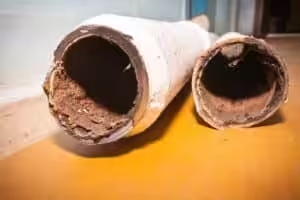
Cast iron can provide long service, but it is still a metal material that can corrode. The rate and severity of deterioration can vary substantially based on installation, soil conditions, moisture exposure, drainage conditions, pipe thickness, and the environment inside and around the piping.
That variability is why age alone cannot tell you whether a particular cast iron system is functional or near failure.
Common Problems With Older Cast Iron Drain Piping
Corrosion and Surface Deterioration
Accessible cast iron may show rust, scaling, flaking, or other corrosion. Light surface oxidation and significant material deterioration are not the same condition, so inspectors look for evidence that corrosion has affected the pipe wall, fittings, or connections.
Cracks and Leakage
Older sections can develop cracks or leaks at the pipe, fittings, or connections. Evidence may include active dripping, staining, corrosion deposits, damaged surrounding materials, or previous repairs.
Interior Buildup and Restricted Drainage
The inside of a drain line can deteriorate or accumulate deposits even when the exposed exterior appears relatively intact. Interior irregularities can contribute to slow drainage, recurring stoppages, or areas where waste catches inside the piping.
Underground Deterioration
Some of the most consequential conditions can occur below a slab or underground, where a standard visual inspection cannot directly observe the pipe. Deterioration, cracking, offsets, root intrusion, or other restrictions may not produce obvious symptoms during a limited inspection.
What Can a Home Inspector See?
A standard property inspection evaluates visible and accessible portions of the plumbing system and operates representative fixtures to identify observable concerns. Where cast iron is exposed, an inspector may identify corrosion, leakage, damaged piping, questionable repairs, or other visible conditions.
However, a visual inspection cannot determine the complete condition of concealed underground piping. Running water through fixtures also does not provide the same information as viewing the interior of a drain line with a camera.
For more information on the systems evaluated during an inspection, see our Plumbing Systems guide.
Why a Sewer Scope Can Be Important With Cast Iron
A sewer scope inspection uses a camera to examine accessible portions of the main drain or sewer line from the interior. Depending on access and system configuration, the camera may reveal conditions that cannot be seen during a standard visual inspection.
Possible observations include corrosion-related deterioration, heavy buildup, cracking, displaced or offset sections, root intrusion, standing water, or restrictions.
A sewer scope still has limitations. Camera access, branch-line configuration, standing water, debris, pipe diameter, and other conditions can restrict what can be viewed. If significant deterioration is identified, further evaluation by a qualified plumbing contractor may be appropriate.
Does Cast Iron Automatically Need to Be Replaced?
No. The presence of cast iron alone is not enough to determine that replacement is necessary. Condition matters more than the material name by itself.
Some cast iron systems remain functional, while others develop localized or extensive deterioration. Recommendations should be based on observed conditions, available camera findings, leakage history, drainage performance, and further evaluation when warranted.
This distinction is especially important when buying an older Central Florida property. Buyers should avoid assuming that every cast iron system is defective, but they also should not assume concealed piping is in good condition simply because the visible plumbing operates normally.
What Should Florida Buyers Do If Cast Iron Is Present?
If cast iron drainage piping is identified, start by determining where it is located and whether it is visible, concealed, or underground. Review the inspection findings for evidence of leakage, corrosion, repairs, drainage problems, or other concerns.
For older properties with cast iron building drains or sewer piping, consider whether a sewer scope can provide useful additional information before the inspection period ends. If the inspection or camera evaluation identifies significant deterioration, a licensed plumbing contractor can provide a more invasive or trade-specific evaluation and discuss repair options.
The goal is not to treat cast iron as an automatic problem. It is to understand the condition of the system well enough to make an informed decision about the property.
Learn More About Plumbing Systems
Cast iron is only one part of a property’s plumbing system. Visit the Tier-1 Plumbing Knowledge Center for more information about piping materials, drainage systems, fixtures, and common plumbing concerns found during Central Florida inspections.
For technical information on current cast iron soil pipe applications and standards, see Charlotte Pipe’s cast iron soil pipe technical resources.