
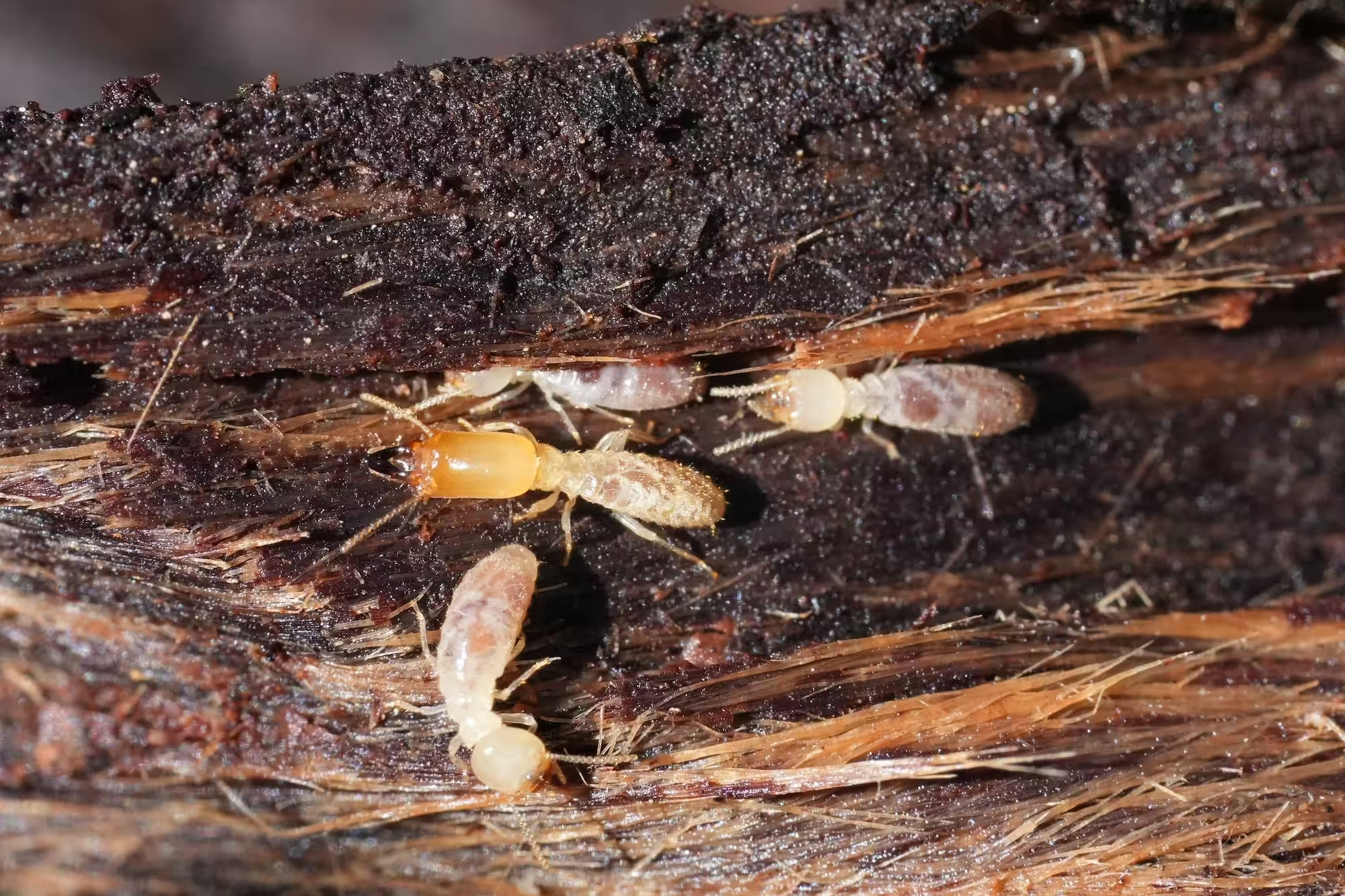
Termite and wood-destroying organism damage can be expensive to repair, and evidence isn’t always obvious when you’re buying a home.
A WDO inspection is a separate inspection specifically focused on identifying visible evidence of termites and other wood-destroying organisms. Due to licensing requirements and Florida regulations, it is not included as part of a standard home inspection.
Why Buyers Add a WDO Inspection
- Checks specifically for termites and other wood-destroying organisms
- Looks for visible evidence of current or previous activity and damage
- Evaluates accessible areas where WDO concerns may be present
- Provides a separate WDO inspection report
- Can be completed at the same time as your home inspection
Should I Add It?
For Florida home buyers, a WDO inspection is worth considering even when there are no obvious signs of termites.
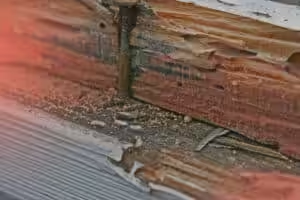
Florida’s warm, humid climate creates favorable conditions for termites and other wood-destroying organisms. Evidence can also be subtle, concealed by finishes, or located in areas a buyer may never think to examine.
A WDO inspection can be especially valuable when buying an older home, a wood-frame home, a property with previous termite treatment or damage, or a home where the history of termite protection is unknown.
Bottom line: Your home inspection evaluates the overall condition of the property. A WDO inspection provides a separate, focused evaluation for termites and other wood-destroying organisms that could affect the home.
Want to add a WDO Inspection? Return to your inspection options in the previous tab and select WDO / Termite Inspection.
What Is a WDO Inspection?
WDO stands for Wood-Destroying Organisms.
Although these inspections are commonly called “termite inspections,” termites aren’t the only organisms that can damage wood components of a home.
A WDO inspection evaluates accessible areas of the property for visible evidence associated with wood-destroying organisms and documents the findings in a separate report.
For Florida buyers, this provides information specifically focused on a category of property damage that isn’t the primary purpose of a standard home inspection.
Isn’t This Already Covered by My Home Inspection?
Your home inspector may observe visible conditions that raise concerns about wood deterioration, insect activity, or damaged building components.
However, a home inspection and a WDO inspection are two different services with different purposes.
A standard home inspection evaluates the overall condition of the home’s major systems and components. A WDO inspection is specifically focused on evidence associated with wood-destroying organisms.
Adding both provides a more comprehensive evaluation of the property during your inspection period.
What Can a WDO Inspection Find?
Depending on the property and conditions present, a WDO inspection may identify visible evidence associated with:
- Termite activity or previous activity
- Wood damage associated with wood-destroying organisms
- Other reportable wood-destroying organisms
- Previous treatment or repairs when visible
- Conditions or areas that may warrant additional evaluation
Finding evidence of previous activity does not necessarily mean there is currently an active infestation. The findings provide information that can help you better understand the property’s condition and determine whether additional evaluation or treatment may be appropriate.
Why Are Termites a Concern in Florida?
Florida’s climate allows termite activity to remain a concern throughout much of the year.
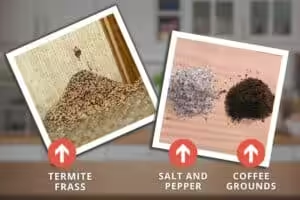
Homes don’t necessarily need to be old or poorly maintained to experience termite activity. Termites can affect homes of different ages and construction types, and some signs of activity can be difficult for homeowners and buyers to recognize.
That makes the inspection period an ideal time to gather as much information as reasonably possible about the property before taking ownership.
Does a WDO Inspection Guarantee There Are No Termites?
No.
Like other property inspections, a WDO inspection is limited to conditions that are visible and accessible at the time of the inspection.
Finished walls, flooring, stored belongings, insulation, and other building materials can conceal portions of the structure. Conditions can also change after the inspection.
The inspection is designed to identify and document visible evidence within the scope of the inspection, not guarantee that concealed activity does not exist.
Is a WDO Inspection Worth Adding?
For many Florida buyers, yes, it can be a valuable addition to the home inspection.
Termite and other WDO-related damage can be costly, while evidence of activity may not be obvious during a typical walkthrough of the property.
If you want additional information about potential wood-destroying organism activity before purchasing the home, adding a WDO inspection provides another important layer of due diligence while you’re still within your inspection period.