
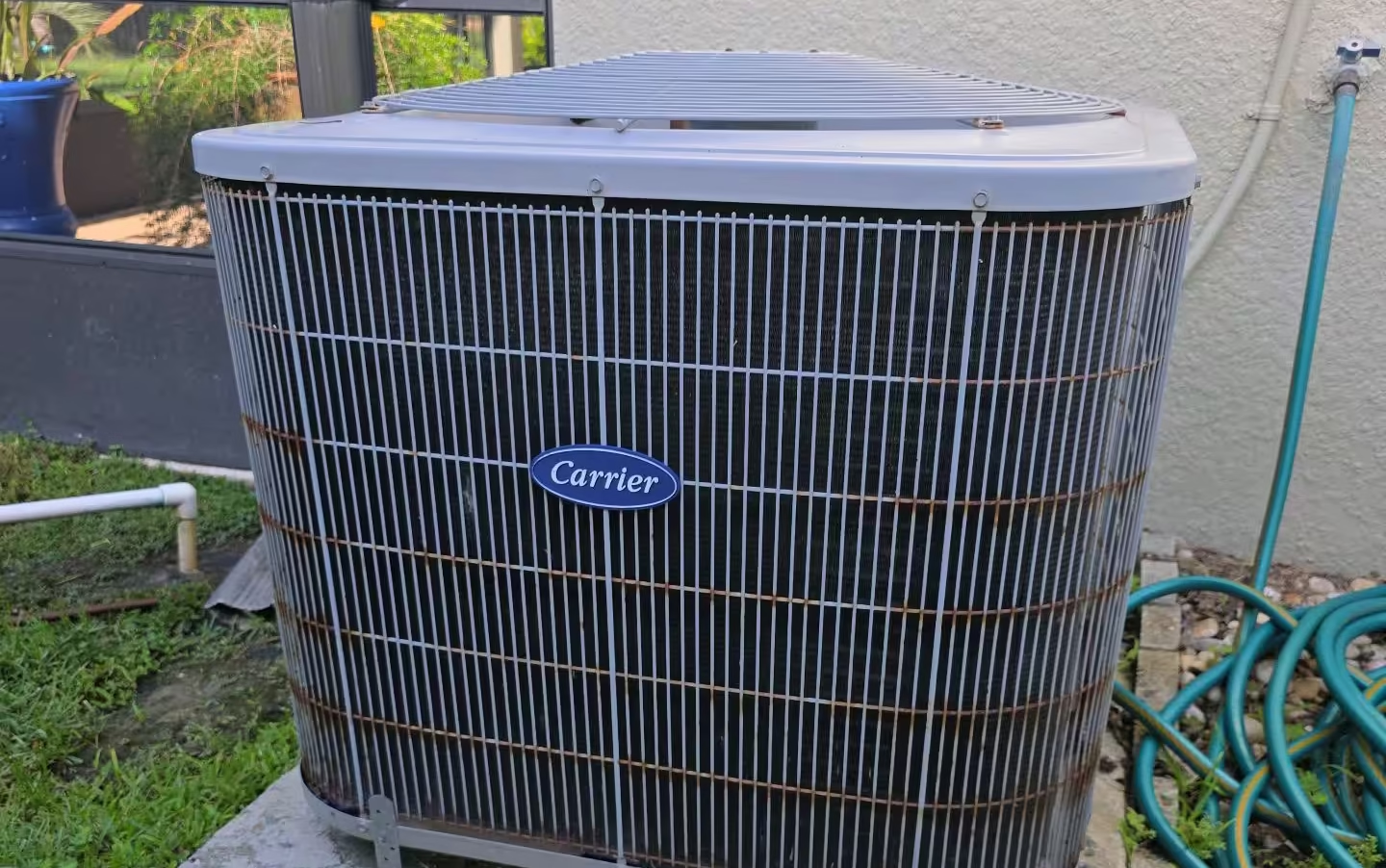
Yes, homeowners can often perform basic cleaning of AC condenser coils themselves. Keeping the outdoor unit free of grass clippings, leaves, dirt, and other debris can help maintain proper airflow through the condenser.
However, condenser coils and their thin metal fins can be easily damaged. Cleaning should be performed carefully, and more extensive cleaning or equipment problems should be handled by a qualified HVAC professional.
What Do AC Condenser Coils Do?
The condenser is the outdoor portion of your air conditioning system. One of its primary functions is releasing the heat that the HVAC system has removed from inside your home.
The condenser coil surrounds much of the outdoor unit and relies on airflow to transfer that heat to the outside air.
When dirt, grass clippings, leaves, vegetation, or other debris restrict the coil, the system may have a harder time releasing heat. This can reduce cooling performance and cause the equipment to work harder.
Can I Clean My AC Condenser Coils Myself?
Basic condenser coil maintenance can often be performed by a homeowner.
This generally means keeping the area around the condenser clear, carefully removing loose debris, and gently rinsing accessible portions of the coil when needed.
The key word is gently.
Condenser fins are thin and can bend easily. Electrical components are also located within the outdoor unit, so homeowners should avoid aggressive cleaning methods or unnecessary disassembly of the equipment.
If the coils are heavily soiled, difficult to access, damaged, or the HVAC system isn’t cooling properly, professional HVAC service is recommended.
How to Clean AC Condenser Coils
For basic homeowner maintenance, a few simple steps can help keep the outdoor condenser clean.
1. Turn Off Power to the Condenser
Before performing maintenance around the outdoor HVAC equipment, turn the system off and disconnect power to the condenser using the appropriate disconnect.
Outdoor condensers contain electrical and mechanical components that can create serious hazards if the equipment starts while you’re working around it.
If you’re unsure how to safely disconnect power to the equipment, contact an HVAC professional.
2. Clear Debris From Around the Unit
Remove leaves, grass clippings, weeds, mulch, and other debris that has accumulated around the condenser.
Vegetation should not be allowed to grow against the unit or significantly restrict airflow.
Keeping the surrounding area clear also makes it easier to periodically inspect the equipment for visible problems.
3. Carefully Remove Loose Surface Debris
Loose debris may accumulate against the exterior of the condenser coil.
Leaves, lint, grass, and other material can often be carefully removed without disassembling the unit.
Avoid scraping the coil or applying enough force to bend the fins.
4. Gently Rinse the Condenser Coil
When appropriate, accessible portions of the condenser coil can be gently rinsed with low pressure water to remove surface dirt and debris.
The objective is to remove contaminants without damaging the delicate fins.
Avoid directing water toward accessible electrical components, controls, or connections.
5. Check the Coil for Visible Damage
While cleaning the unit, look for areas where the condenser fins are significantly bent, crushed, deteriorated, or otherwise damaged.
Minor fin damage may not significantly affect operation, but widespread damage can restrict airflow through the coil and may warrant professional evaluation.
Should You Use a Pressure Washer on AC Condenser Coils?
A pressure washer should not be used to clean condenser coils.
The high pressure stream can easily bend or flatten the thin aluminum fins surrounding the coil.
Once the fins become flattened, airflow through the condenser can be restricted, which defeats the purpose of cleaning the equipment in the first place.
A normal garden hose using gentle water pressure is much more appropriate for basic homeowner cleaning.
Should You Use Chemical Coil Cleaner?
Chemical coil cleaners are available, but they are not necessarily required for routine homeowner maintenance.
Different products are designed for different types of HVAC equipment and coil materials. Using an inappropriate chemical, concentration, or application method can potentially damage the coil or surrounding components.
For routine maintenance, removing debris and gently rinsing the accessible condenser coil may be sufficient.
Heavily contaminated coils or equipment requiring more aggressive cleaning should generally be serviced by a qualified HVAC professional.
How Can You Tell If Your Condenser Coils Are Dirty?
Condenser coil contamination is often visible from outside the unit.
Common conditions include:
- Grass clippings stuck against the coil
- Leaves or vegetation around the condenser
- Dirt or dust covering the fins
- Lint or other lightweight debris restricting airflow
- Weeds or landscaping growing against the equipment
- Sections of the coil that appear visibly clogged or restricted
Grass clippings are particularly common when outdoor HVAC equipment is located near maintained lawn areas.
Repeatedly blowing grass toward the condenser while mowing can gradually create a layer of debris across the coil.
Can Dirty Condenser Coils Cause Your AC Not to Cool?
Yes, significantly restricted condenser coils can contribute to poor cooling performance.
The outdoor condenser needs adequate airflow to release heat. When the coil becomes heavily restricted, the HVAC system may have difficulty transferring that heat effectively.
However, dirty condenser coils are only one possible reason an air conditioning system may not cool properly.
Airflow problems, dirty filters, frozen evaporator coils, duct problems, thermostat settings, refrigerant related conditions, electrical problems, and mechanical failures can produce similar symptoms.
If your system is operating but the home isn’t cooling properly, learn more in our guide to Why Is My HVAC Running but Not Blowing Cold Air?
How Often Should AC Condenser Coils Be Cleaned in Florida?
There isn’t one cleaning schedule that applies to every home.
The condenser should be periodically inspected and kept reasonably clean and free of conditions that restrict airflow.
In Central Florida, outdoor HVAC equipment operates through a long cooling season and is frequently exposed to:
- Grass clippings
- Leaves
- Pollen
- Dirt and dust
- Landscaping debris
- Vegetation
- Moisture and humidity
- Frequent lawn maintenance
A condenser located next to landscaping or a lawn may require more frequent attention than equipment installed in an area with little surrounding debris.
Rather than relying solely on a specific cleaning interval, homeowners should periodically look at the outdoor equipment and address visible debris before significant buildup occurs.
What If the Condenser Fins Are Bent?
Some minor fin damage is relatively common on older outdoor HVAC equipment.
Damage can occur from landscaping equipment, pressure washing, impact, improper cleaning, weather exposure, or previous service work.
When a significant portion of the condenser fins becomes bent or flattened, airflow through the coil may be restricted.
Specialized fin combs and other tools exist for straightening condenser fins, but attempting to correct extensive damage without experience can cause additional damage to the coil.
Significant fin damage should be evaluated by an HVAC professional.
Keep Landscaping Away From the Condenser
Cleaning the condenser is only part of maintaining adequate airflow.
Shrubs, vines, weeds, decorative coverings, fences, stored items, and other obstructions should not significantly restrict airflow around the outdoor equipment.
Homeowners should also consider the location of mulch, landscaping materials, and lawn irrigation around the unit.
The condenser needs adequate airflow to operate properly, so the area surrounding it should remain reasonably clear.
When Should You Call an HVAC Professional?
Basic debris removal and gentle exterior cleaning can often be handled by homeowners, but professional evaluation is appropriate when there are indications of a larger problem.
Consider contacting a qualified HVAC professional when:
- The condenser coil is heavily contaminated
- The coil or fins are significantly damaged
- The system isn’t cooling properly after basic maintenance
- The outdoor fan isn’t operating
- The condenser makes unusual noises
- Electrical damage or deterioration is visible
- Refrigerant lines or components appear damaged
- The system repeatedly shuts down or trips a breaker
- You’re uncomfortable working around the equipment
Cleaning a dirty condenser can improve airflow, but cleaning cannot correct an underlying mechanical, electrical, or refrigeration system problem.
What Do Home Inspectors Look for at the Outdoor Condenser?
During a home inspection, the outdoor HVAC equipment is visually evaluated and operated when conditions permit.
Inspectors may identify conditions such as restricted airflow, vegetation against the equipment, damaged condenser fins, corrosion, physical damage, improper installation conditions, electrical concerns, or indications that the system isn’t performing as expected.
The purpose of a home inspection is not to service or internally diagnose the HVAC equipment. When significant concerns are identified, further evaluation by a qualified HVAC professional may be recommended.
The Bottom Line
So, can you clean your AC condenser coils yourself?
For basic maintenance, yes. Homeowners can often keep the condenser clear of vegetation and debris and gently clean accessible portions of the coil.
The most important thing is to avoid damaging the equipment in the process.
Do not use a pressure washer, avoid aggressive cleaning methods, and don’t disassemble HVAC equipment unless you have the appropriate knowledge and experience.
If the condenser is heavily contaminated, damaged, or your air conditioner continues to perform poorly after basic maintenance, have the system evaluated by a qualified HVAC professional.
For more information about cooling performance, HVAC maintenance, equipment condition, and common issues identified during home inspections, visit the Tier-1 Pro HVAC Knowledge Center.