
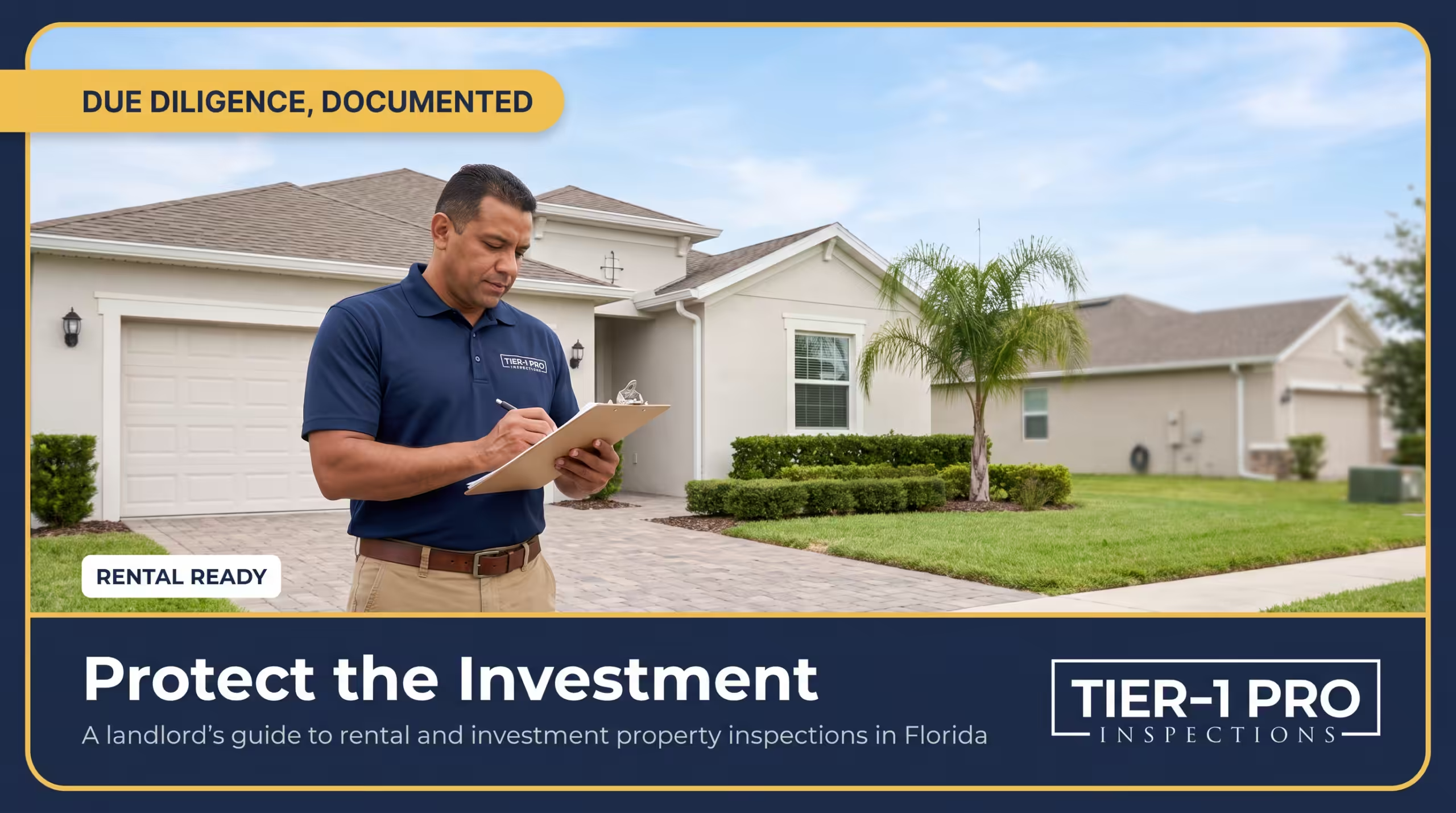
Yes, you should get a home inspection for a rental property in Florida. No state law requires one, but a rental property inspection in Florida tells you what you are buying, what it will cost to maintain, and what needs attention before a tenant moves in. Investors who skip it inherit the previous owner’s deferred maintenance.
Rental property is a business asset. The inspection is the due diligence step that turns a listing photo into a set of numbers you can underwrite against.
This guide covers what an inspection does for landlords and investors, when to schedule one, what belongs on your checklist, and how Florida’s entry-notice custom affects inspections on occupied units.
Why Investors Inspect Differently Than Homebuyers
A homebuyer asks one question: is this house safe and sound for my family? An investor asks four.
- What will this property cost me over the next five years? Roof age, HVAC age, and water heater age drive your capital reserve plan.
- What has to be fixed before a tenant occupies it? Life-safety and habitability items come first.
- What can wait? Cosmetic and low-priority items can be scheduled around turnover.
- Does the number still work? A findings list either confirms your offer or gives you grounds to renegotiate.
That is a different report read than a first-time buyer’s. The same inspection produces both answers, but investors use it as a budgeting document rather than a reassurance document. Our inspectors have more than 10 years of experience inspecting all major systems, and we write reports that are plain enough for a nervous buyer and detailed enough for someone building a pro forma.
When to Inspect a Rental Property in Florida
There are four moments in a rental’s life cycle where an inspection earns its keep.
1. Before You Buy
This is rental due diligence, and it happens during your inspection period. You are verifying the condition of the roof, structure, electrical, plumbing, HVAC, and water intrusion history before your deposit goes hard. In Central Florida that usually means paying close attention to roof age, older electrical panels, and any signs of past moisture around windows and slabs.
For portfolio buyers, timing matters. A multi-inspector company can schedule several properties in the same window rather than stringing them out over three weeks.
2. At Tenant Move-In
A tenant move-in inspection is a documented condition record. Photograph and note the state of floors, walls, appliances, fixtures, and exterior surfaces before the tenant takes possession. Both parties sign it. This one document resolves most security-deposit disputes before they start.
3. Periodically, During Tenancy
Florida has no statute setting a required interval for landlord inspections of an occupied rental. Most landlords write an inspection schedule into the lease instead, commonly annually or semi-annually. The lease is what governs, so the terms need to be clear at signing.
4. At Move-Out
A move-out inspection in Florida compares current condition to the move-in record. That comparison is what separates normal wear from tenant damage, and it is what supports any deduction you make from a deposit.
How Often Can a Landlord Inspect in Florida?
Florida law does not set a periodic inspection schedule for landlords. What it does address is entry. The widely followed custom in Florida residential tenancies is at least 12 hours’ notice before entering an occupied unit for inspection or repair, during reasonable hours.
A few practical points:
- Put the inspection frequency and the notice method in the lease.
- Give written notice and keep a copy.
- Schedule during normal business hours unless the tenant agrees otherwise.
- Emergencies are treated differently than routine inspections.
Entry-notice rules and deposit-deduction rules carry real legal weight, and the details change with circumstances. Treat this section as orientation, not advice, and confirm your specific situation with a Florida real estate attorney or your property manager. Our role is the condition assessment, not the legal framework around it.
A Rental Property Inspection Checklist for Central Florida
Whether you are buying or turning over a unit, these are the areas that drive the most cost and the most tenant complaints in Orange, Seminole, Lake, and Volusia counties.
Roof and Exterior
- Roof covering age and remaining service life, since insurability in Florida often tracks roof age
- Flashing, boots, and penetrations
- Soffit and fascia condition
- Grading and drainage away from the foundation
- Exterior paint, stucco, and siding condition
Drone imaging lets an inspector document steep or tile roofs without walking them, which produces better photos for your records and your insurer.
HVAC and Insulation
- Age, condition, and operation of the air handler and condenser
- Condensate drain line, a common source of ceiling stains in Florida units
- Duct condition and attic insulation depth
- Return air and filter accessibility for tenants
Infrared thermal imaging helps identify temperature anomalies behind finishes, which supports findings on insulation gaps and moisture without opening walls.
Plumbing and Water
- Supply line material and visible condition
- Water heater age, capacity, and relief valve
- Signs of past or active leaks under sinks and around fixtures
- Water pressure and drainage performance
Electrical and Safety
- Panel type, capacity, and condition
- GFCI protection in kitchens, baths, garages, and exteriors
- Smoke and carbon monoxide alarm placement and function
- Visible wiring condition and open junctions
Interior and Turnover Items
- Appliance operation
- Window and door operation, locks, and screens
- Flooring, wall, and ceiling condition documented with photos
- Attached garage door safety reverse
You can read more about how a standard home inspection covers these systems and what the report includes.
Short-Term Rentals Need a Tighter Cycle
Short-term rental properties in Central Florida run through guests at a pace that ages a house quickly. Pool equipment, HVAC, and water heaters carry heavier loads than they would in a single-family owner-occupied home.
Many STR owners inspect on a fixed annual cycle rather than waiting for a complaint. The goal is catching a failing component during a booking gap instead of during a stay.
Why a Neutral Third-Party Inspector Matters
Property management companies often inspect the properties they manage. That is convenient, and for routine walkthroughs it works. But the party that manages maintenance is not the most neutral party to assess maintenance.
An independent inspector has no stake in the repair work, the vendor list, or the management agreement. You get a condition report written for you, the owner, with no downstream interest in what it recommends. For acquisition due diligence in particular, that independence is the point.
Documentation Is the Deliverable
For a landlord, the report is not a formality. It is evidence. It supports insurance claims, deposit deductions, contractor scoping, and your own capital planning.
Tier-1 Pro Inspections delivers Spectora digital reports same day or within 24 hours, with photos, thermal images where applicable, and clear descriptions of each finding. Owner and senior inspector Sean Richards is a Certified Master Inspector and a 20-year U.S. Army veteran, and the discipline that comes with that background shows up in how thoroughly each property is documented.
As a multi-inspector company, we can schedule portfolios rather than single addresses, which matters when your inspection period is 10 days and you have four properties under contract.
Putting It Into Practice
Here is a simple operating rhythm for a Central Florida rental.
- Inspect before you close. Use the findings to confirm your numbers or renegotiate.
- Document at move-in. Photos and a signed condition record.
- Set the schedule in the lease. Define frequency and notice terms up front.
- Give proper written notice before any entry into an occupied unit.
- Document at move-out and compare against the move-in record.
- Reinspect major systems periodically so roof, HVAC, and water heater replacements land on a plan instead of a surprise.
A rental property inspection does not exist to find problems. It exists to give you an accurate picture of an asset you own or are about to own, so the decisions that follow are based on facts rather than assumptions.
If you are buying, turning over, or reassessing a rental anywhere in Orange, Seminole, Lake, or Volusia County, we can help you get that picture. Contact Tier-1 Pro Inspections to schedule.