
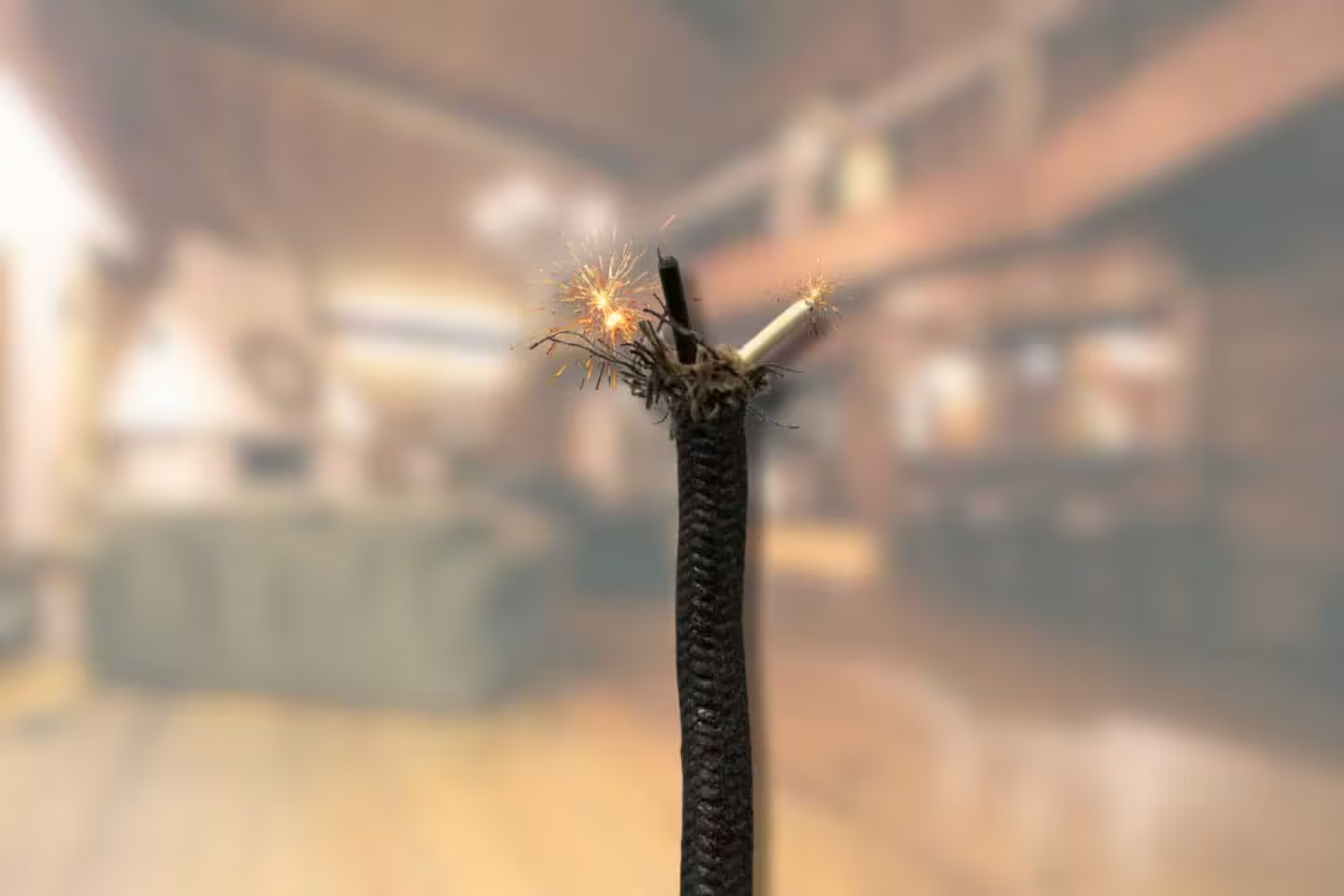
Cloth wiring is commonly found in older homes and can raise questions for homeowners and buyers about safety, condition, insurance, and whether the wiring needs to be replaced.
The term cloth wiring generally refers to older electrical wiring that uses woven fabric as part of the cable covering or conductor insulation system. Several different wiring products and installation methods may be described as cloth wiring, which is why identifying the specific wiring present is important.
Finding cloth-covered wiring does not automatically mean the electrical system is unsafe or that the entire home needs to be rewired.
However, because these wiring systems are older, their condition, insulation, grounding, connections, modifications, and overall installation deserve careful evaluation.
For Florida homeowners, cloth wiring may also become important during a home purchase or insurance inspection.
What Is Cloth Wiring?
Cloth wiring is a general term used to describe older electrical wiring that incorporates woven fabric materials as part of its insulation or outer covering.
Before modern plastic-insulated electrical cable became common, manufacturers used combinations of materials such as:
-
Woven fabric
-
Rubber
-
Paper
-
Asphalt or tar-like compounds
-
Other insulating materials
The exact construction varies considerably depending on the manufacturer and age of the wiring.
This distinction is important because not all wiring that appears to have a cloth exterior is constructed the same way.
Some cables have cloth as an outer covering while the individual conductors have additional insulation beneath it.
Others may contain older rubber-based conductor insulation that has deteriorated with age.
The visible cloth covering is therefore only one part of evaluating the wiring.
Is Cloth Wiring Up to Code?
This is one of the most common questions homeowners and buyers ask.
The presence of cloth-covered wiring does not by itself determine whether an electrical system is code compliant or unsafe.
Electrical standards have changed substantially since these wiring systems were originally installed.
An older electrical installation generally isn’t evaluated simply by comparing every component with requirements for a newly constructed home.
Instead, several factors need to be considered, including:
-
Type of wiring
-
Condition of the insulation
-
Grounding
-
Conductor size
-
Circuit protection
-
Electrical connections
-
Modifications or repairs
-
Installation methods
-
Visible deterioration
-
Applicable requirements
Older wiring may have been acceptable when originally installed but lack features commonly found in modern electrical systems.
More importantly, wiring that has deteriorated, been improperly modified, or developed unsafe conditions can require attention regardless of whether the original installation was acceptable at the time.
A home inspection is also not a municipal electrical code inspection.
When questions arise regarding code compliance or the continued suitability of older wiring, further evaluation by a qualified electrician may be appropriate.
Is Cloth Wiring Dangerous?
Not necessarily.
Cloth wiring should not automatically be classified as dangerous solely because cloth materials are present.
However, its age makes condition particularly important.
Older insulation materials can deteriorate over time.
Potential concerns can include:
-
Brittle insulation
-
Cracking
-
Fraying
-
Exposed conductors
-
Heat deterioration
-
Improper splices
-
Loose electrical connections
-
Previous modifications
-
Missing equipment grounding
-
Overheating
The condition of wiring can also vary throughout the same home.
Visible wiring near an electrical panel may appear relatively intact while wiring in an attic, junction box, light fixture, or concealed area may have experienced very different environmental conditions.
This is why identifying cloth wiring is only the beginning of the evaluation.
Does Cloth Wiring Have a Ground Wire?
Some older cloth-covered wiring systems may not include an equipment grounding conductor.
Modern electrical systems commonly incorporate an equipment grounding path as an important safety feature.
Older two-wire systems may consist only of a hot and neutral conductor.
This can result in conditions such as:
-
Two-prong receptacles
-
Ungrounded three-prong receptacles
-
Lack of an equipment grounding path at certain devices
However, cloth covering alone does not establish whether a particular circuit is grounded.
The specific cable and electrical installation need to be evaluated.
Is Cloth Wiring the Same as Knob-and-Tube Wiring?
No.
The terms are sometimes used interchangeably, but they describe different things.
Knob-and-tube wiring is an older electrical wiring method in which individual conductors are routed separately through the structure using ceramic knobs and tubes.
Cloth wiring generally describes the insulation or covering used on certain older conductors or cables.
Knob-and-tube conductors may have cloth-based insulation, but not all cloth-covered wiring is knob-and-tube.
Older homes may instead contain early nonmetallic cable with a cloth exterior.
Correctly identifying the wiring type helps determine what concerns may be associated with the installation.
Is Cloth Wiring the Same as Aluminum Wiring?
No.
Cloth wiring describes an insulation or cable-covering characteristic.
Aluminum wiring describes the conductor material carrying electrical current.
Cloth-covered cables may contain copper conductors, while some other older wiring products may contain different conductor materials.
Solid-conductor aluminum branch circuit wiring has its own considerations related to electrical connections and should be evaluated separately.
Why Does Cloth Wiring Deteriorate?
Electrical wiring is affected by its environment and by decades of use.
Older insulation materials may gradually lose flexibility and become brittle.
Conditions that can contribute to deterioration include:
-
Age
-
Heat
-
Attic temperatures
-
Previous overheating
-
Physical damage
-
Improper modifications
-
Exposure at electrical connections
-
Movement or disturbance
-
Environmental conditions
Florida attics can become particularly hot, making the condition of older electrical materials in these areas worth careful attention.
However, age alone does not establish that the wiring has failed.
The actual visible condition matters.
What Does Deteriorated Cloth Wiring Look Like?
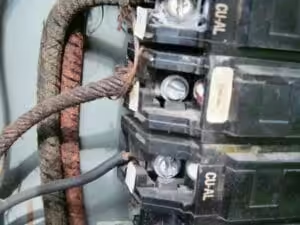
Visible signs of deterioration can include:
-
Frayed exterior covering
-
Cracked insulation
-
Brittle insulation
-
Missing insulation
-
Exposed conductor material
-
Darkened or heat-damaged areas
-
Damaged cable entering electrical boxes
-
Improperly exposed wiring
-
Deterioration near fixtures or connections
Homeowners should not handle or disturb older wiring simply to determine its condition.
Electrical components may be energized even when they do not appear to be.
Visible concerns should be evaluated without unnecessarily manipulating the wiring.
Does Cloth Wiring Need to Be Replaced?
Not necessarily.
The presence of cloth-covered wiring does not automatically mean the entire home requires rewiring.
The appropriate recommendation depends on factors such as:
-
Specific wiring type
-
Insulation condition
-
Grounding
-
Electrical connections
-
Circuit configuration
-
Previous modifications
-
Visible damage
-
Electrical panel compatibility
-
Insurance requirements
-
Overall electrical system condition
Some installations may have localized deficiencies.
Others may contain widespread deterioration or configurations that make more extensive upgrades appropriate.
A qualified electrician can evaluate the existing installation and determine whether repair, modification, or replacement is appropriate.
A home inspector should identify the visible condition and recommend further evaluation when warranted rather than prescribe a specific rewiring method without a complete electrical evaluation.
Can You Have Cloth Wiring and Modern Electrical Panels?
Yes.
Older homes are frequently upgraded in stages.
A property may have:
-
A newer electrical panel
-
Older branch circuit wiring
-
Newer wiring in renovated areas
-
Older wiring in original portions of the home
-
Multiple generations of electrical modifications
Replacing an electrical panel does not necessarily mean the branch circuit wiring throughout the home was replaced.
This is why the age of the panel alone cannot be used to determine the age or condition of all electrical wiring.
Understanding how the panel, breakers, branch wiring, grounding, and protection devices work together is an important part of evaluating the home’s residential electrical system.
Can Cloth Wiring Affect Homeowners Insurance in Florida?
It can.
Electrical system information is often considered during the Florida homeowners insurance process, particularly when a Four Point Inspection is required.
Insurance carriers may consider factors such as:
-
Wiring type
-
Electrical panel manufacturer
-
Electrical system age
-
Electrical service
-
Visible hazards
-
Aluminum branch wiring
-
Older electrical equipment
-
Overall system condition
Requirements can vary significantly between insurance carriers.
The presence of older wiring does not guarantee that coverage will be denied, and an inspector cannot determine whether a particular insurance company will accept a property.
When insurance eligibility is a concern, homeowners and buyers should discuss the specific electrical system with their insurance professional.
Does Cloth Wiring Automatically Fail a Four Point Inspection?
Not simply because cloth covering is visible.
A Four Point Inspection documents specific information about the home’s electrical, plumbing, HVAC, and roofing systems for insurance purposes.
For the electrical portion, the inspector documents the readily accessible electrical system and identifies applicable conditions observed at the property.
The insurance carrier ultimately determines whether the documented electrical system meets its underwriting requirements.
That distinction is important.
The inspector documents the condition. The insurance carrier makes the underwriting decision.
Different carriers may have different requirements regarding older wiring and electrical systems.
Can Cloth Wiring Cause a Home Inspection to Fail?
A standard home inspection is generally not a pass-or-fail inspection.
The inspector evaluates the readily accessible electrical system and documents observed conditions.
If cloth wiring is present, the inspector may consider:
-
Visible condition
-
Deterioration
-
Exposed conductors
-
Grounding
-
Electrical connections
-
Panel conditions
-
Improper modifications
-
Signs of overheating
-
Other visible electrical deficiencies
When significant concerns are identified, further evaluation by a qualified electrician may be recommended.
The goal is to provide the buyer or homeowner with useful information about the electrical system, not simply label the property as passing or failing.
What Do Home Inspectors Look for When Cloth Wiring Is Present?
During a home inspection, readily accessible portions of the electrical system are evaluated.
When older wiring is observed, an inspector may look for conditions such as:
-
Visible cloth-covered wiring
-
Deteriorated insulation
-
Exposed conductors
-
Signs of overheating
-
Improper splices
-
Open junction boxes
-
Missing junction box covers
-
Ungrounded receptacles
-
Improperly installed three-prong receptacles
-
Mixed wiring types
-
Electrical panel deficiencies
-
Improper conductor terminations
-
Other visible electrical modifications
The extent of older wiring may not always be visible.
Much of a home’s branch wiring is concealed behind walls, ceilings, cabinetry, insulation, and other building materials.
A visual home inspection cannot determine the condition of every concealed conductor.
Can a Home Inspector Determine the Age of Cloth Wiring?
Sometimes the approximate age can be inferred from the type of wiring, property age, electrical components, and visible markings.
However, homes are frequently modified over time.
A house built in the 1940s may contain electrical work from several different decades.
Similarly, a newer electrical panel does not establish that all older branch wiring was replaced.
Inspectors therefore evaluate the wiring that is actually visible rather than assuming the entire electrical system is original to the home.
Should I Buy a House With Cloth Wiring?
The presence of cloth wiring should be treated as information requiring evaluation, rather than an automatic reason to purchase or reject a property.
Important questions include:
-
What type of wiring is present?
-
How much of the home appears to contain it?
-
What is its visible condition?
-
Is grounding present?
-
Have significant modifications been made?
-
Are there signs of overheating or deterioration?
-
Are there other electrical deficiencies?
-
Will the wiring affect homeowners insurance?
-
Does an electrician recommend repairs or upgrades?
The answers to those questions provide much more useful information than the term “cloth wiring” by itself.
For buyers, identifying older wiring before closing also provides an opportunity to obtain additional evaluation when appropriate.
What Should I Do If My Home Has Cloth Wiring?
If cloth wiring is identified, avoid assuming that either extreme is automatically correct.
You don’t necessarily need to immediately rewire the entire house.
You also shouldn’t ignore visibly deteriorated electrical wiring simply because it has functioned for many years.
A reasonable approach is to determine:
-
What type of wiring is actually present
-
What condition the accessible wiring is in
-
Whether significant electrical deficiencies are present
-
Whether insurance requirements are affected
-
Whether further electrical evaluation is warranted
When deterioration, improper modifications, overheating, exposed conductors, or other significant concerns are identified, a qualified electrician can determine the appropriate corrective action.
What Are Warning Signs of Electrical Problems?
Regardless of the type of wiring installed, homeowners should pay attention to changes in electrical system operation.
Potential warning signs include:
-
Repeatedly tripping breakers
-
Flickering or dimming lights
-
Burning odors
-
Discolored receptacles or switches
-
Unusually warm electrical devices
-
Buzzing or crackling sounds
-
Visible sparking
-
Damaged wiring
-
Signs of overheating
These symptoms can have multiple causes and should not automatically be attributed to cloth wiring.
Recurring or significant electrical symptoms should be professionally evaluated.
Is Cloth Wiring a Bigger Concern in Older Florida Homes?
Older Florida homes can contain electrical systems that have been modified numerous times over several decades.
A single property might contain original cloth-covered wiring alongside newer copper wiring, replacement panels, renovated kitchens, added HVAC equipment, pool circuits, additions, and other electrical modifications.
That history can sometimes be more important than the age of any single component.
Inspectors therefore look at the electrical system as a whole, rather than evaluating cloth wiring in isolation.
For Florida homeowners, insurance requirements can add another consideration because electrical system information may be requested during the underwriting process.
When Should an Electrician Evaluate Cloth Wiring?
Further evaluation by a qualified electrician may be appropriate when:
-
Insulation is visibly deteriorated
-
Conductors are exposed
-
Signs of overheating are present
-
Improper modifications are observed
-
Grounding is uncertain
-
Electrical connections appear deficient
-
Breakers repeatedly trip
-
Significant older wiring remains throughout the home
-
Insurance documentation or repairs are required
-
The extent or condition of the wiring cannot be adequately determined during the home inspection
An electrician can perform specialized evaluation and determine whether repairs, upgrades, or replacement are appropriate for the specific installation.
Cloth Wiring and Home Inspections
Cloth wiring is one of many older electrical conditions that may be encountered during a home inspection.
Its presence deserves attention, but the term alone does not tell the entire story.
The specific wiring type, visible condition, grounding, electrical connections, modifications, panel configuration, and overall electrical system all need to be considered.
This is especially important when purchasing an older home where multiple generations of electrical work may be present.
A home inspection can identify readily accessible wiring and visible electrical concerns, while a qualified electrician can provide additional evaluation when conditions warrant it.
The Bottom Line
So, what is cloth wiring, and is it up to code?
Cloth wiring is a broad term describing older electrical wiring that incorporates fabric materials as part of its insulation or cable covering.
Its presence alone does not establish that an electrical system is unsafe, defective, or noncompliant.
What matters is the specific wiring, its condition, how it was installed and modified, whether appropriate grounding and circuit protection are present, and whether visible electrical deficiencies exist.
Because cloth-covered wiring is typically associated with older electrical installations, homeowners and buyers should pay particular attention to deterioration, exposed conductors, improper modifications, overheating, grounding, and other electrical conditions.
In Florida, older wiring can also become relevant during the homeowners insurance process.
When significant deficiencies are identified or the condition of the wiring is uncertain, evaluation by a qualified electrician may be appropriate.
For a broader explanation of panels, breakers, branch wiring, grounding, GFCI protection, and other electrical components, see Electrical Systems: What Homeowners and Buyers Should Know.
For additional information about electrical panels, wiring, protection devices, common inspection findings, and older electrical systems, visit the Tier-1 Pro Electrical Knowledge Center.