
Top 7 Hidden Problems Florida Homebuyers Miss Before Closing
Most Florida homebuyers miss hidden problems that cost thousands after closing. These issues often hide in plain sight, waiting to cause headaches down the road. Knowing what to spot before you buy can save you stress and money—and that’s exactly what our home inspection tips reveal. Let’s walk through the top 7 hidden problems Florida homebuyers overlook and how a thorough property inspection protects your investment.
Common Issues in Florida Homes
Navigating the home buying process involves being aware of potential pitfalls. Some problems are more common than you might think. Let’s uncover these issues together, so you can avoid costly surprises.
Roofing Problems to Watch For
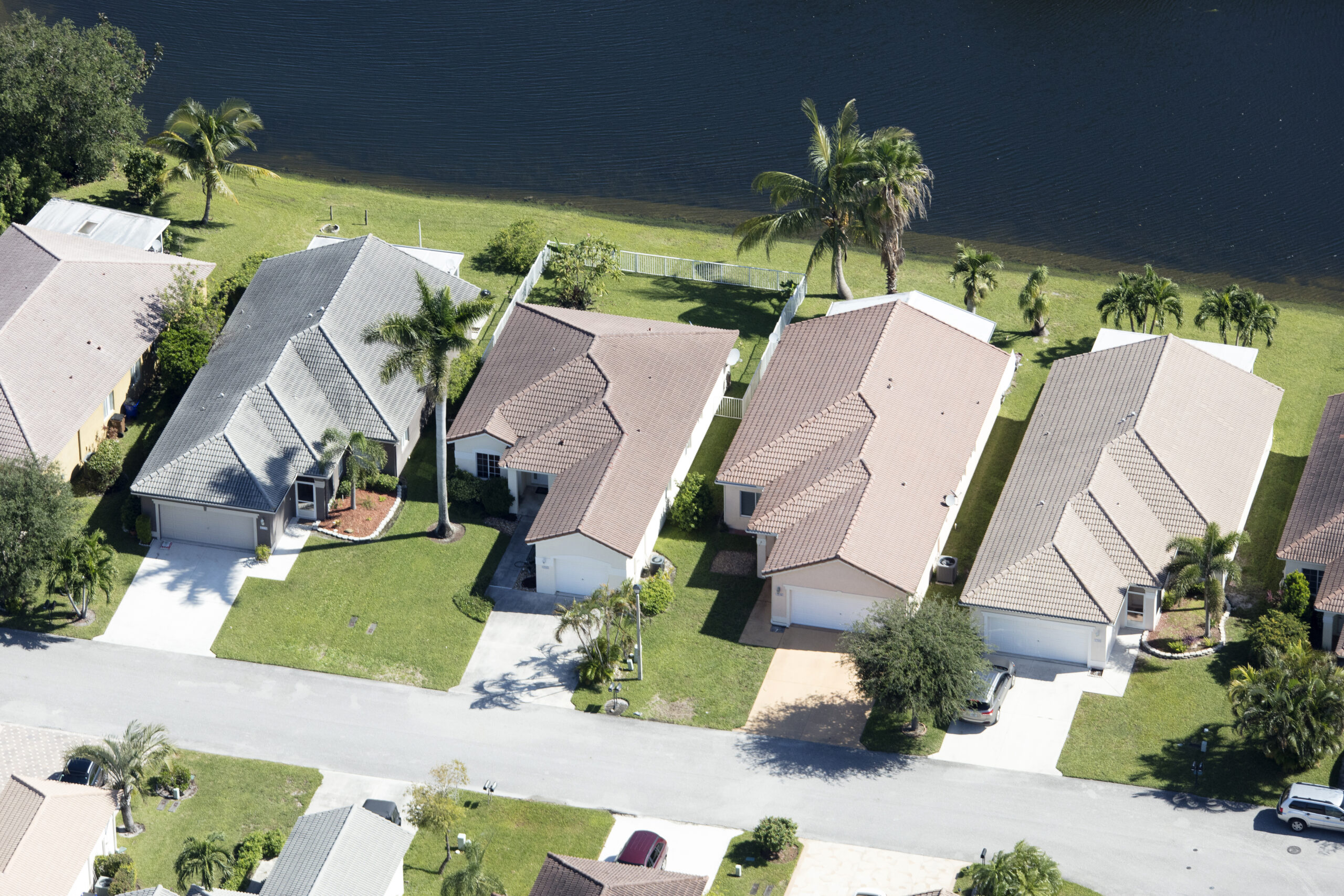
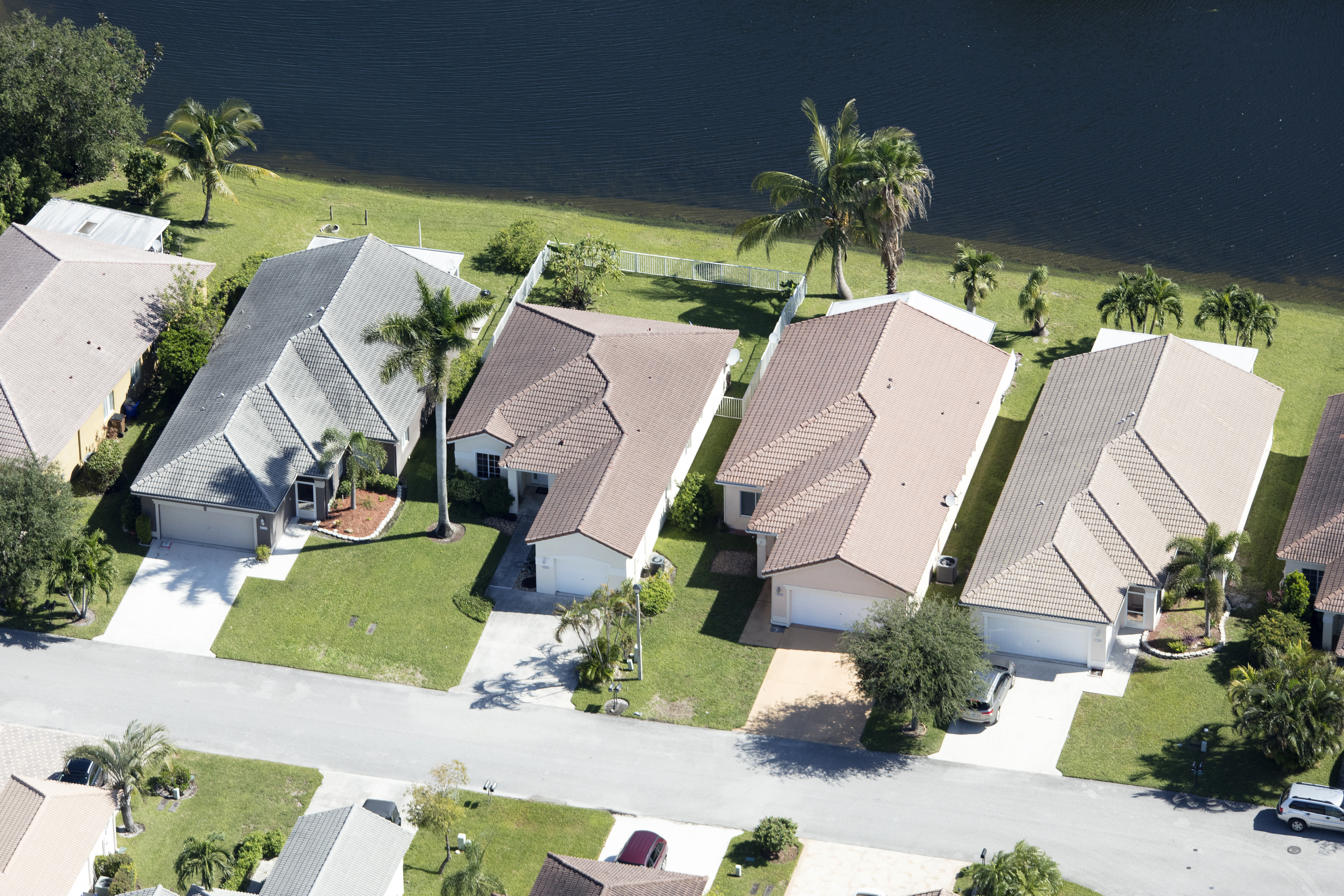
Florida’s weather can be tough on roofs. You might think a roof looks fine, but hidden issues often lurk beneath. Even minor leaks can lead to major water damage over time.
When inspecting a roof, it’s crucial to look at the shingles. Missing or damaged shingles are a red flag. Did you know that a roof with missing shingles can lead to a 25% increase in repair costs? This statistic highlights the importance of a thorough check. Furthermore, make sure to examine the gutters and downspouts. They should direct water away from the home, not pool it around the foundation.
Another area worth checking is the attic. Dark spots or streaks on the ceiling could indicate a leaky roof. If you’re unsure, calling in a professional inspector can save you a lot of headaches down the road. Understanding these roofing concerns helps you make a smart investment.
Plumbing Concerns You Might Miss
Plumbing issues can escalate quickly, leading to significant damage. You might not notice them at first glance, but they can become a nightmare if ignored. Many homebuyers overlook the plumbing system, only to face costly repairs later.
Start by checking under sinks for any signs of leaks. Even a small drip can waste over 3,000 gallons of water a year. That’s a lot of water—and money—down the drain! Additionally, test all faucets and flush toilets to ensure they operate smoothly. Any discoloration in water could suggest rusting pipes.
It’s also wise to inspect the water heater. Old or poorly maintained heaters can break down unexpectedly, causing flooding or loss of hot water. A detailed inspection of these areas ensures you’re not buying a home with hidden plumbing issues.
Essential Home Inspection Tips
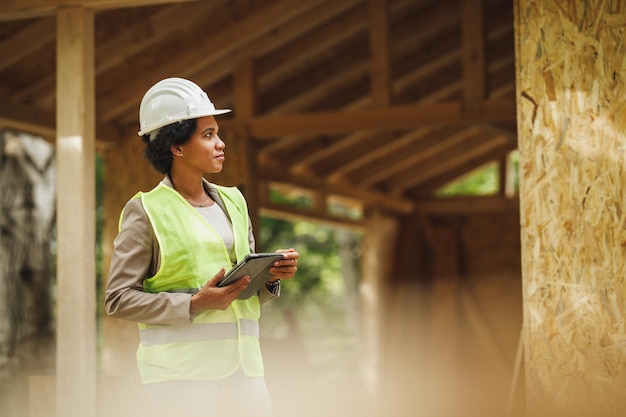
Getting a detailed home inspection is vital. It reveals problems that might not be obvious at first glance. Let’s look at some essential tips to guide you through this process.
The Importance of Thorough Checks
A comprehensive check is your best line of defense against hidden issues. It might be tempting to skip this step to save money, but it could cost you more in the long run. A thorough inspection covers all bases, from the roof to the foundation.
A good inspector will examine critical areas like the electrical system, HVAC, and more. They’ll look for signs of wear and tear, potential hazards, and compliance with safety standards. For instance, an inspector might find outdated wiring that needs replacement. Such discoveries can save you from future risks and expenses.
Remember, most people think a quick walkthrough is enough, but a professional inspection goes deeper. It’s about peace of mind and ensuring your investment is sound. For further guidance, check this detailed guide on home inspections.
Choosing the Right Home Inspector
Selecting a skilled inspector is key. Not all inspections are created equal, and choosing the right professional can make a significant difference. You want someone experienced, thorough, and reliable.
Start by asking for recommendations from friends or real estate agents. Check their credentials and look for reviews online. Most prospective buyers don’t realize, but an inspector with over 10 years of experience can offer insights that less seasoned inspectors might miss.
When interviewing potential inspectors, ask about their process and what they include in their reports. Ideally, you want a detailed report with photos and explanations. This document serves as a roadmap to understanding your future home’s condition.
Protecting Your Investment

Your home is more than just a building; it’s an investment in your future. Overlooking maintenance issues can lead to bigger problems. Here’s what you need to know to protect your investment.
Long-Term Effects of Overlooked Issues
Ignoring small problems today can lead to costly repairs tomorrow. What seems minor now might become a major headache later. Let’s break down the long-term effects of common overlooked issues.
For instance, a small roof leak might not seem urgent, but it can cause significant structural damage over time. Similarly, a dripping faucet can lead to high water bills and potential mold growth. These issues not only affect your wallet but also your home’s value.
Most people assume their home is fine if nothing seems wrong, but regular checks and maintenance are crucial. By staying vigilant, you can avoid unexpected costs and keep your home in top condition.
How Inspections Save You Money
Home inspections might seem like an extra expense, but they’re a smart investment. They can save you thousands by identifying problems early. This proactive approach prevents small issues from escalating into expensive repairs.
An inspection gives you negotiating power. If issues are found, you can request repairs or a price reduction from the seller. This alone can offset the inspection cost. Plus, knowing the true condition of the home helps you plan for future maintenance.
In the end, the longer you wait, the more you risk. Inspections provide peace of mind and ensure your home remains a safe and sound investment.
By understanding these hidden problems and the value of detailed inspections, you’re well on your way to making informed decisions as a Florida homebuyer.