
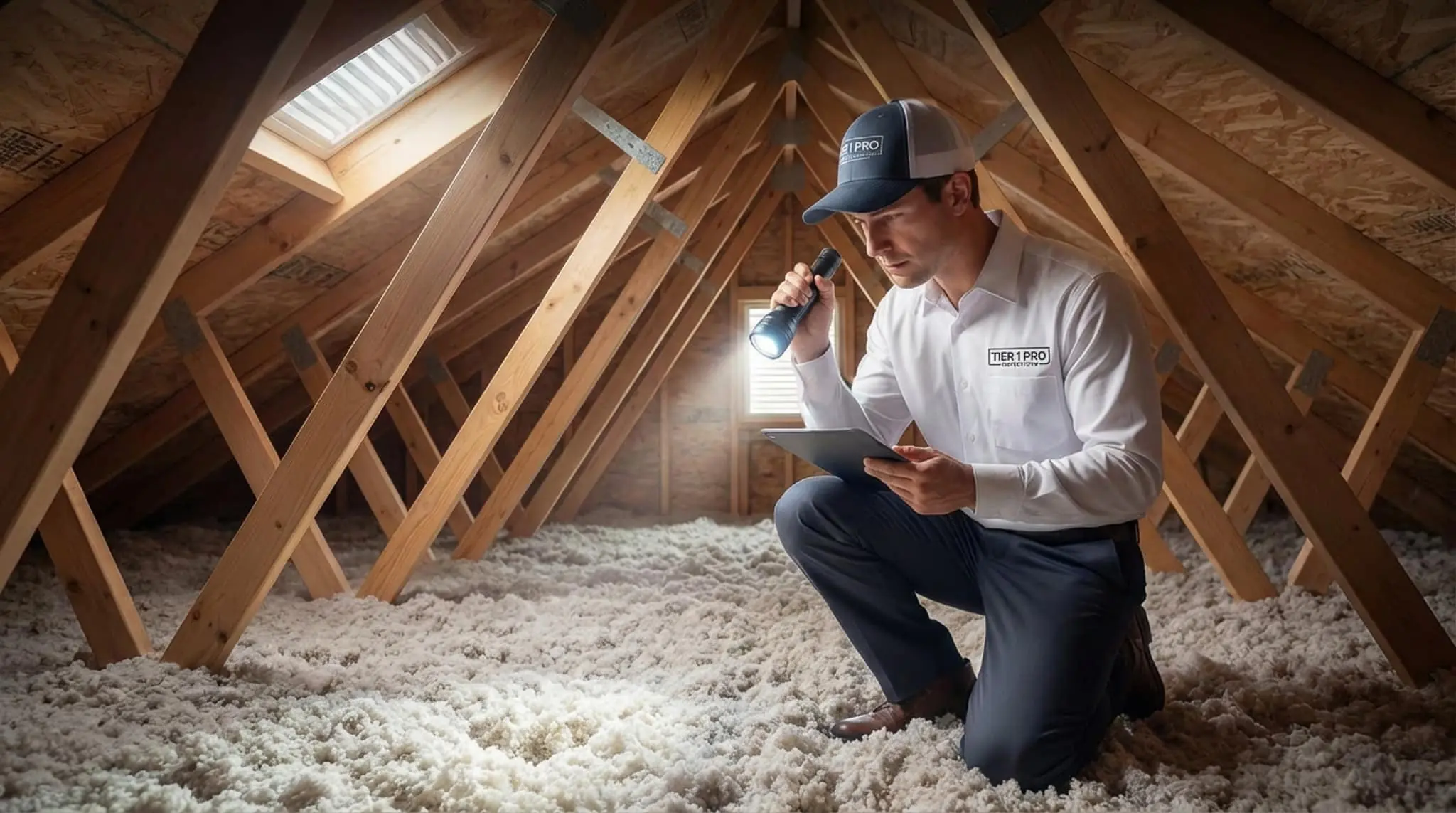
Attic insulation plays an important role in how efficiently a home manages heat and humidity. In Central Florida, where temperatures remain high for much of the year, insulation helps maintain indoor comfort while reducing strain on HVAC systems. One of the most common insulation types found in Florida homes is blown-in insulation.
Blown-in insulation is applied using specialized equipment that distributes loose material evenly across attic surfaces. Because it fills irregular spaces easily, it is often used to improve energy efficiency in both new construction and older homes that may require insulation upgrades.
Common Types of Blown-In Insulation
Blown-in insulation generally falls into two primary categories: fiberglass and cellulose. Fiberglass blown insulation consists of small glass fibers that are lightweight and resistant to moisture damage. Cellulose insulation, on the other hand, is typically made from recycled paper materials that are treated to resist fire and pests.
Both materials are commonly used in residential construction and can perform effectively when installed properly. The key factor is not simply the material itself but how evenly the insulation is distributed and whether the depth meets recommended levels for the region.
What Home Inspectors Look For in Attic Insulation
During a home inspection, attic insulation is evaluated visually when the space is safely accessible. Inspectors look for consistent coverage, areas where insulation may be compressed or missing, and signs that airflow or moisture may be affecting the material.
In Central Florida homes, inspectors also pay attention to attic ventilation. Proper ventilation helps prevent excessive heat buildup and allows moisture to escape. When insulation blocks ventilation pathways or when airflow is limited, attic temperatures can rise and reduce the overall effectiveness of the insulation.
Inspectors may also note signs of disturbance in the insulation, such as areas where work has been performed on wiring or ductwork. These observations are documented in the inspection report so homeowners and buyers have a clear understanding of the attic’s condition.
Why Attic Insulation Matters for Florida Homes
Because air conditioning systems work harder in warm climates, insulation plays a key role in overall home performance. Adequate attic insulation helps stabilize indoor temperatures, which can reduce energy usage and support more consistent comfort throughout the home.
For buyers, understanding the condition of attic insulation helps provide a clearer picture of how the home manages heat. For homeowners, insulation observations in an inspection report can highlight opportunities to improve efficiency or address ventilation concerns.
A home inspection is not an energy audit, but documenting insulation conditions helps create a better understanding of how the home functions as a whole. In Central Florida, where heat and humidity are constant factors, insulation and ventilation together form an important part of long-term home performance.