
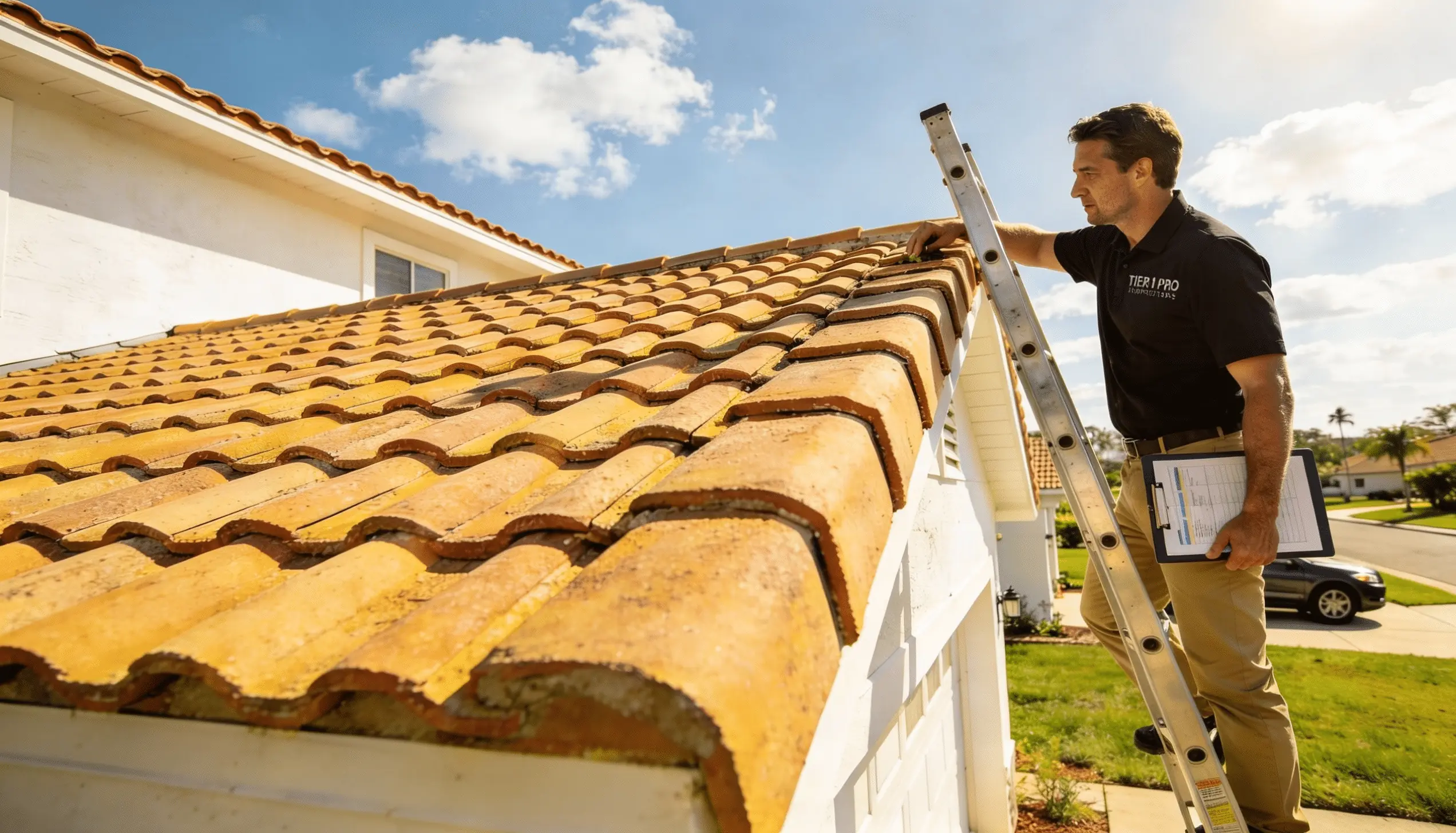
Home Inspection in Central Florida: What It Covers and Why It Matters
Buying or owning a home in Central Florida involves conditions that can affect a property differently than in other regions. Heat, humidity, frequent rain, and seasonal storms all contribute to how building systems age and perform. A professional home inspection provides a clear, unbiased snapshot of a home’s condition at a specific point in time, helping buyers and homeowners make informed decisions with fewer surprises.
A home inspection is a visual, non-invasive evaluation of a property’s major systems and accessible components. The purpose is to document observable conditions that may impact safety, functionality, or maintenance planning. Inspections are not designed to predict future failures or verify code compliance, but to provide practical information that supports confident decision-making.
What a Home Inspection Typically Covers
Most home inspections in Central Florida include a review of the roof and visible attic areas, exterior walls and drainage, electrical systems, plumbing components, heating and cooling equipment, and interior spaces. Inspectors look for signs of wear, damage, moisture intrusion, or installation issues that are visible at the time of inspection. Get your home inspection checklist here
Roof coverings and attic conditions receive particular attention due to Florida’s exposure to sun, heat, and storms. HVAC systems are closely reviewed because they often operate year-round. Electrical inspections focus on visible wiring, outlets, grounding, and the main panel, while plumbing inspections review accessible supply lines, fixtures, drains, and water heaters. Interior areas such as walls, ceilings, floors, doors, and windows are evaluated for observable defects or moisture-related concerns.
What a Home Inspection Does Not Include
It is just as important to understand the limitations of a home inspection. Inspections do not involve destructive testing, moving personal belongings, or evaluating concealed components that are not readily accessible. They are not code compliance inspections and do not determine whether a home will pass insurance or underwriting requirements.
Specialized evaluations such as termite inspections, mold testing, sewer scopes, or structural engineering assessments are separate services. These may be recommended based on what the inspector observes, but they are not part of a standard home inspection unless specifically requested. Get more info about our home inspection services here.
Why Home Inspections Matter in Central Florida
Central Florida homes face environmental conditions that can accelerate wear on roofing, air conditioning systems, plumbing, and electrical components. Homes of different ages and construction styles can also present unique considerations that are not always obvious during a walkthrough.
A professional home inspection helps reduce uncertainty by clearly documenting a property’s condition and providing context for next steps. Inspection reports are commonly used to prioritize repairs, plan maintenance, and support informed discussions during real estate transactions. For homeowners, inspections can also serve as a long-term reference for maintaining the property over time.
At its core, a home inspection is about clarity, not alarm. It equips buyers and homeowners with reliable information so they can move forward with confidence and realistic expectations. Get your pre-listing inspection here